
Last updated November 23, 2026
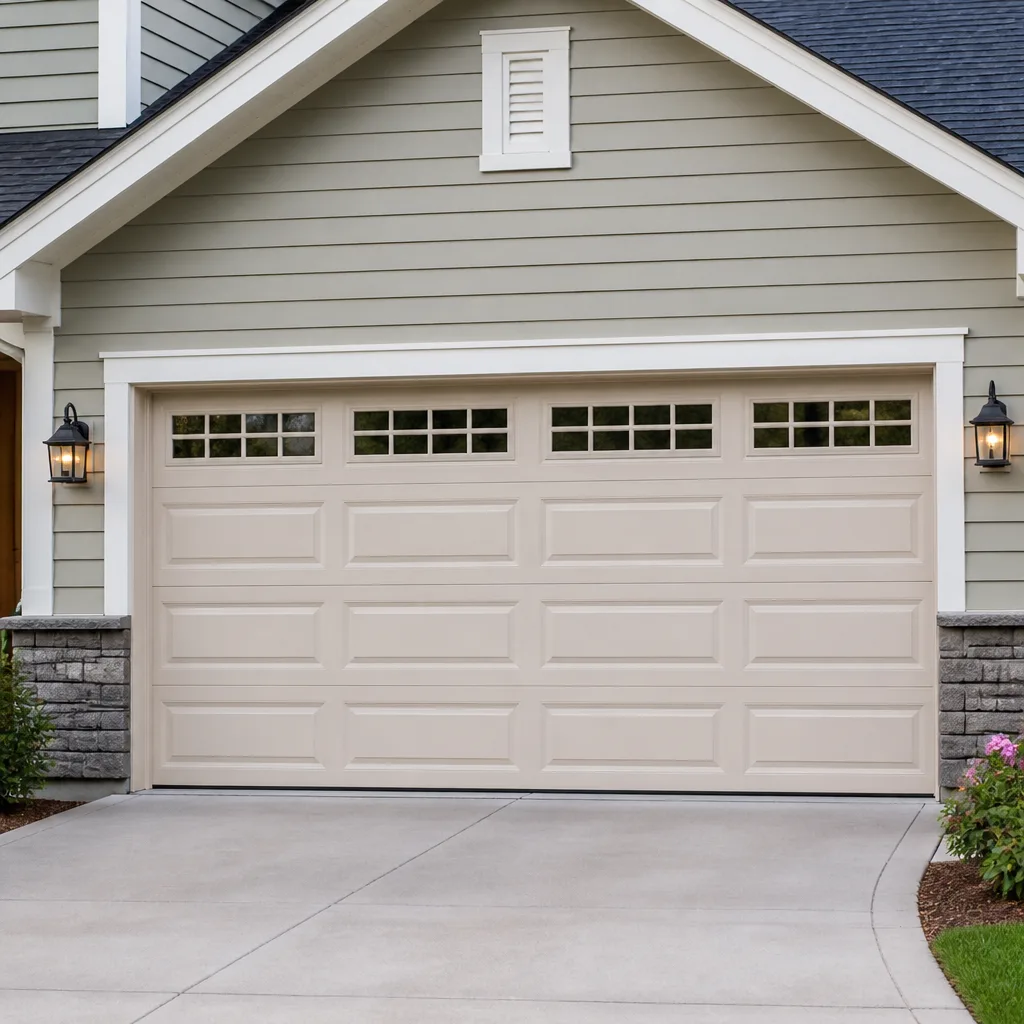 Raised-panel steel
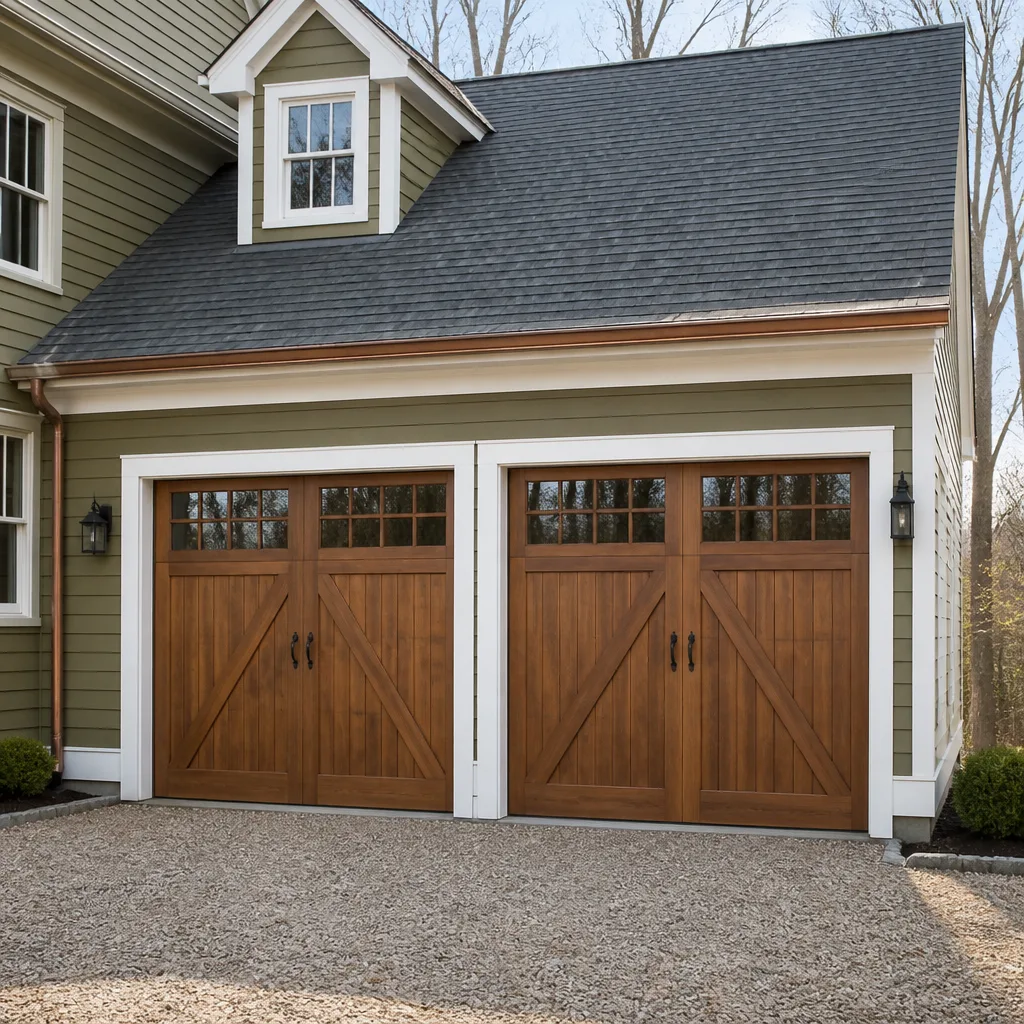 Carriage house
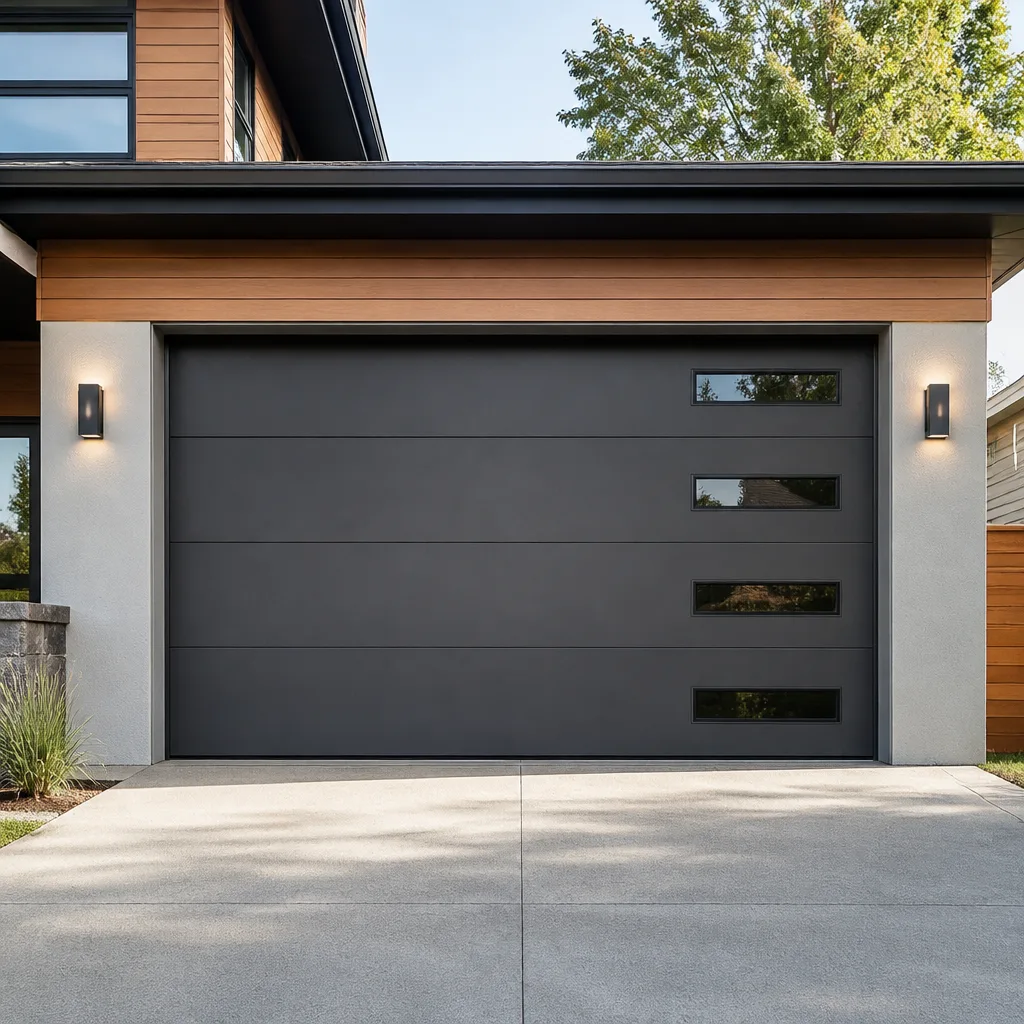 Modern flush
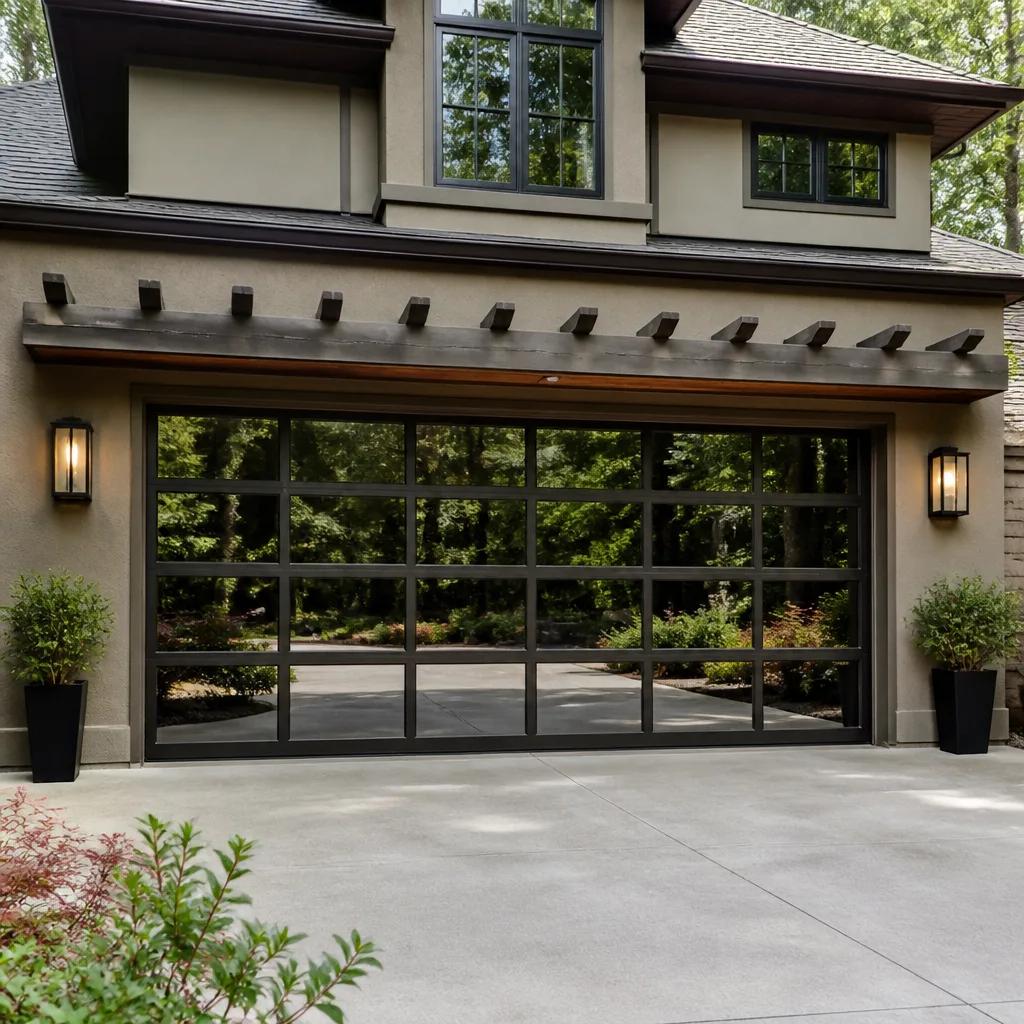 Full-view glass
 LiftMaster openers
 Chamberlain openers
Full 25-point door and opener safety check with every visit - springs, cables, rollers, tracks, and your LiftMaster or Chamberlain opener included
You get a price before we start. It does not change when the pro arrives.
Get your free estimateGarage Door Repair Maintenance Checklist for Atlantic City Homeowners
Most homeowners don’t discover a worn torsion spring until it snaps at 6 a.m., usually with the car inside and a meeting in an hour. Here’s the part that stings: that spring showed warning signs for months. The difference between a small lubrication and adjustment session and a full emergency callout is a ten-minute inspection most people skip because no one ever showed them what to look for. This guide gives you that inspection, task by task, sorted by how often you should do it. We’ve written it specifically for Atlantic City homes, where damp air off the bay and ocean works on steel parts faster than it does a few miles inland. You’ll learn which checks you can safely do yourself, which ones belong in the hands of a specialist, and how to read the early warning signs before they turn into a door that won’t open.
Quick Answer
A good garage door maintenance routine in Atlantic City covers three intervals: monthly checks (visual inspection of springs, cables, rollers, and weatherstripping, plus a balance and auto-reverse test), quarterly lubrication with a synthetic or lithium-based lubricant that resists damp air, and an annual professional service that includes torque checks, cable inspection, and opener adjustment. You can handle the monthly and quarterly tasks yourself in about 15 to 20 minutes. Spring replacement, cable work, and opener gear or logic board repairs are specialist jobs: those components are under high tension or carry safety liability, and getting them wrong causes injury or voids the opener’s warranty.
Styles & brands we work with
- Raised-panel steel
- Carriage house
- Modern flush
- Full-view glass
- LiftMaster openers
- Chamberlain openers
Table of Contents
- Why Garage Door Maintenance Matters More in Atlantic City
- The Monthly Checklist: 10 Minutes That Prevent Most Breakdowns
- The Quarterly Checklist: Lubrication and Sealing
- The Annual Checklist: What Belongs to a Technician
- Which Lubricants Actually Work in Atlantic City Humidity
- How to Test Door Balance and Auto-Reverse Safely
- DIY vs. Specialist: Where the Line Sits
- Brand-Specific Maintenance Notes
Why Garage Door Maintenance Matters More in Atlantic City
Your garage door is your home’s largest moving part, and it cycles more than any other system in the house. In Atlantic City, that cycling happens in air that carries a lot of moisture. Homes close to the bay, in neighborhoods like Chelsea Heights or the inlet side, sit in damper air than properties out toward the mainland. Damp air accelerates surface rust on steel rollers, hinges, and springs, and it hardens rubber weatherstripping faster than dry air does. You don’t need to live right on the water for this to matter: Atlantic City’s average humidity is high enough across the whole island that untreated hinges start to squeak within a season or two.
That humidity doesn’t damage your door all at once. It works slowly. A hinge that squeaks this month is a hinge whose pin is starting to corrode. A weather seal that’s cracking along the bottom lets in water, which then sits against the door’s bottom panel. Left alone for a year, small problems like these become the reason Atlantic City homeowners call us for repair rather than maintenance. The whole point of a checklist is to catch them while they’re still small.
There’s a second reason maintenance matters here: a residential door here is often the primary way in and out. Many Atlantic City homes have short driveways or no useable front walk, so the garage becomes the front door in practice. A door that fails on a workday morning stops everything. A door that fails at night leaves the house open. Maintenance is how you keep that from happening.
The Monthly Checklist: 10 Minutes That Prevent Most Breakdowns
Every month, spend ten minutes looking at the door and running two quick tests. This is a visual inspection, not a repair session. If something looks wrong, note it and plan the fix. Don’t try to force a stiff part.
- Look at the springs above the door. If you have torsion springs (the coiled springs running horizontally above the door on a metal shaft), look for gaps in the coils, a stretched-out section, or rust. If you have extension springs (running along the tracks on either side), check for stretched coils and for the safety cables that should run through them.
- Check the cables. The lift cables run down each side of the door to the bottom corners. Look for fraying, kinks, or slack. A cable that’s off its drum is a serious problem. Stop using the door and call for repair.
- Wiggle the rollers. Rollers should spin freely in their brackets. If they wobble or grind, they’re wearing out.
- Check the weatherstripping along the bottom. The rubber or vinyl seal should press against the floor along its entire width. Look for cracks, tears, or sections that have pulled away.
- Test the auto-reverse. Place a roll of paper towels or a 2×4 flat on the floor in the door’s path. Close the door with the wall button. It should reverse when it touches the object.
- Test the photo-eye safety sensors. With the door open, wave an object across the beam near the floor. The door should not close, or should reverse if it’s already closing.
- Run the balance test (described in detail further down).
If any of those checks turns up a problem, that’s your call to make. A month of warning signs is far cheaper to deal with than a snapped spring. Our technicians have up to 13 years of experience reading exactly this kind of wear.
The Quarterly Checklist: Lubrication and Sealing
Four times a year, lubricate the moving parts and do a slightly deeper inspection. If you can, time this to the change of seasons. In Atlantic City, the swing from humid summer to cold winter is when hardware takes the most stress.
- Lubricate hinges and rollers. Use a lithium-based or synthetic grease, not standard household oil. Spray a small amount into the hinge joints and onto the roller bearings. Don’t over-apply. Excess grease attracts grit, which grinds down the parts.
- Lubricate the torsion spring coils. A light spray on the coils helps reduce friction and slows surface rust. Don’t touch the spring with your hands. Spray, then step back.
- Wipe down the tracks. Use a damp cloth, not a greasy one. Tracks should stay clean and dry. A small amount of silicone spray is fine; don’t use grease on the tracks.
- Check the door’s bottom seal. If it’s cracked or compressed, replace it. A worn seal lets water in and lets heat out.
- Inspect the opener’s rail and belt or chain. Look for slack or fraying. On belt-driven openers, a frayed belt is worth replacing before it snaps.
- Test the manual release. Pull the red cord to disconnect the door from the opener, then lift the door by hand. It should lift smoothly and stay open when you let go. If it drops, the springs are losing tension.
- Check the opener’s wall control and remotes. If a remote is intermittent, replace the battery. If the wall button is unreliable, that’s a wiring or logic board issue for a specialist.
The quarterly check is where most Atlantic City homeowners catch early spring wear. If you’re seeing orange rust on the coils or hearing a popping sound when the door opens, that’s the point to call for garage door spring repair, not the point to wait for the spring to fail.
The Annual Checklist: What Belongs to a Technician
Once a year, book a professional service. This isn’t a sales pitch. Some tasks on a garage door genuinely require training and the right tools. A technician will handle these safely and quickly.
- Spring tension check. A technician measures the door’s lifting force and confirms the springs are still within spec. Springs lose tension over time even when they haven’t broken.
- Cable and drum inspection. The technician checks cable wear at the drums and confirms the cables are seated correctly. This is a hands-on job on a door under tension, and it’s not safe for a homeowner.
- Hinge and roller replacement. Worn rollers and hinges get swapped out. This is routine but requires the door to be supported properly.
- Opener service. The technician checks the opener’s gear, belt or chain, and travel limits, and confirms the force settings are correct. If you have a LiftMaster or Chamberlain opener with a smart-hub feature, they’ll confirm the wall control and app integration are working.
- Track alignment. Tracks that have shifted need realignment. A door that binds or rubs is running on misaligned tracks, and the fix is a tracker adjustment, not a lubricant.
- Weatherstripping replacement. The bottom seal and any side or top seals get replaced if they’re worn. This is one of the highest-value items in the whole schedule.
An annual service is also the right time to have a technician look at the opener’s force settings and travel limits. Opener manufacturers set those limits for a reason. A door that’s out of adjustment puts strain on the opener’s motor and gearbox, and that’s usually when we get called for garage door opener repair. Catching it at the annual service is cheaper than catching it after the gearbox fails.
Which Lubricants Actually Work in Atlantic City Humidity
Not every lubricant is up to Atlantic City’s damp air. The right choice makes a real difference to how long hinges, rollers, and springs last. Here’s how the common options compare.
- Lithium-based grease (white lithium). Good general-purpose choice for hinges and roller bearings. It clings well and resists moisture. It’s a solid pick for Atlantic City homes.
- Synthetic lubricant. The best choice for damp environments. Synthetic lubricants resist water wash-out and stay effective longer between applications. Use on rollers and hinges.
- Silicone spray. Best on the tracks and on rubber weatherstripping, where you want lubrication without grease. Silicone keeps rubber supple and won’t attract grit.
- Standard household oil or WD-40. The one to avoid as a primary lubricant. Light oil washes off quickly in humid air, and WD-40 is a penetrant, not a long-term lubricant. It’ll quiet a hinge for a week and then it’s gone.
- Grease on the tracks. A common mistake. Grease on the tracks collects grit and slows the door down. Keep the tracks clean and use silicone spray only.
In Atlantic City, apply lubricant a little more often than the manufacturer’s schedule suggests if your door faces the bay or the ocean. A quarterly application is the standard. If your door has any visible rust on the hinges, switch to a synthetic lubricant and apply every two months until the rust stops spreading.
How to Test Door Balance and Auto-Reverse Safely
Both tests are quick, and both are worth doing monthly. Neither requires any tools. Do them with the door closed and the opener disconnected.
Balance test
- Close the door fully.
- Pull the red manual release cord to disconnect the door from the opener.
- Lift the door by hand about halfway up.
- Let go. The door should stay in place, or move only slightly.
- If the door drops on its own, the springs are losing tension. If it rises on its own, the springs are over-tensioned. Either way, don’t force it: call for a spring check.
- Reconnect the door by pulling the release cord again and running the opener once.
Auto-reverse test
- Place a roll of paper towels or a 2×4 flat on the floor in the door’s closing path.
- Press the wall button to close the door.
- The door should reverse when it meets the object.
- If it doesn’t reverse, stop using the opener and call for service. This is a safety issue.
Never put your hand or body under a moving door to test the reverse. Use an object. And never test the reverse with the door’s springs disconnected or the manual release pulled. These are the two tests where most DIY injuries happen, and both are completely avoidable.
DIY vs. Specialist: Where the Line Sits
Some of a garage door’s maintenance is genuinely safe for a homeowner. Some of it isn’t, and the line matters. Getting it wrong causes injury or, at minimum, an avoidable repair bill. Here’s the breakdown.
Safe to do yourself
- Lubricating hinges, rollers, and the torsion spring coils.
- Cleaning the tracks.
- Replacing the bottom weather seal.
- Testing balance and auto-reverse.
- Replacing remote batteries.
- Wiping down the door’s exterior panels.
Belongs to a specialist
- Spring replacement or adjustment. Torsion springs are under extreme tension. A spring that slips during a DIY replacement will injure you, and the door will fall. This is the single most dangerous garage door repair there is.
- Cable replacement or adjustment. Cables carry the same tension and can cut through a hand or arm if they snap.
- Track realignment. A door that comes off a misaligned track can fall.
- Opener repair. Openers have internal gears, logic boards, and safety sensors. Working on these yourself can void the manufacturer’s warranty.
- Hinge or roller replacement on a door under tension.
Our rule is simple: if a part is under tension or holds the door’s weight, it’s a specialist job. If you’re not sure which category something falls into, ask. We’d rather answer a question than quote a repair. For anything that’s genuinely a repair, garage door repair is what we do, and we’ll tell you honestly whether it can wait or not.
Brand-Specific Maintenance Notes
Most maintenance is brand-neutral. But a few details change depending on what’s already on your door. Here’s what we look at for the brands we know best.
- LiftMaster and Chamberlain. These openers share a lot of internal design. Their smart-hub features and app integration need occasional firmware and connection checks. The safety sensors use the same alignment procedure. If your wall control has a lockout or timer feature, confirm it’s still working during the annual service.
- Genie. Belt and chain drives on Genie openers have specific tension specs. If the belt starts to slack or fray, replace it before it fails. Genie openers also have a force adjustment that’s worth checking at the annual service.
- Clopay. Many Clopay doors use polyurethane-insulated panels. The bottom seal is the part that wears fastest on these, and replacement seals are brand-specific. A mismatched seal won’t sit right and will let water in.
If your opener is a LiftMaster or Chamberlain, an annual service is the right time to confirm the smart-home integration is still working. If it’s a Genie or Craftsman, the belt or chain check is the priority. What matters isn’t the logo on the unit: it’s knowing the components inside it. We work on all eight major brands, including Raynor, Amarr, and Wayne Dalton, because a checklist that ignores the brand isn’t much of a checklist. For anything the manufacturer needs to get involved in, that’s when a call to the maker makes sense. For everything else, a technician who knows your specific brand is the better route.
Common Mistakes to Avoid
- Using WD-40 as a lubricant. It’s a penetrant, not a long-term lubricant. In Atlantic City’s damp air it’ll wash out in days, and it may actually attract dust. Use lithium-based or synthetic grease on the moving parts instead.
- Greasing the tracks. Grease on tracks collects grit and slows the door. Clean the tracks and use a light silicone spray, and never use grease on them.
- Forcing a stiff door by hand. If a door won’t open smoothly, don’t pull harder. This is often a spring or cable issue, and forcing it can drop the door.
- Skipping the balance test because the door “seems fine.” A door that runs quietly can still have springs that are 20% under tension. The balance test is the only way to catch it before it snaps.
- Replacing a spring yourself. Torsion springs are the most dangerous part of a garage door. A DIY replacement is one of the leading causes of garage door injuries, and the consequences are serious. This is a specialist job, not a weekend project.
- Ignoring weatherstripping. A worn bottom seal lets water and pests in and lets conditioned air out. In Atlantic City, the moisture that gets in accelerates rust and mold. Replace it as soon as it cracks.
- Over-tightening the opener’s force setting. A higher force setting makes the door “work” when a spring is failing. That’s hiding the problem, not fixing it. If the door doesn’t run smoothly on the standard setting, that’s a sign it needs a real repair.
See the difference
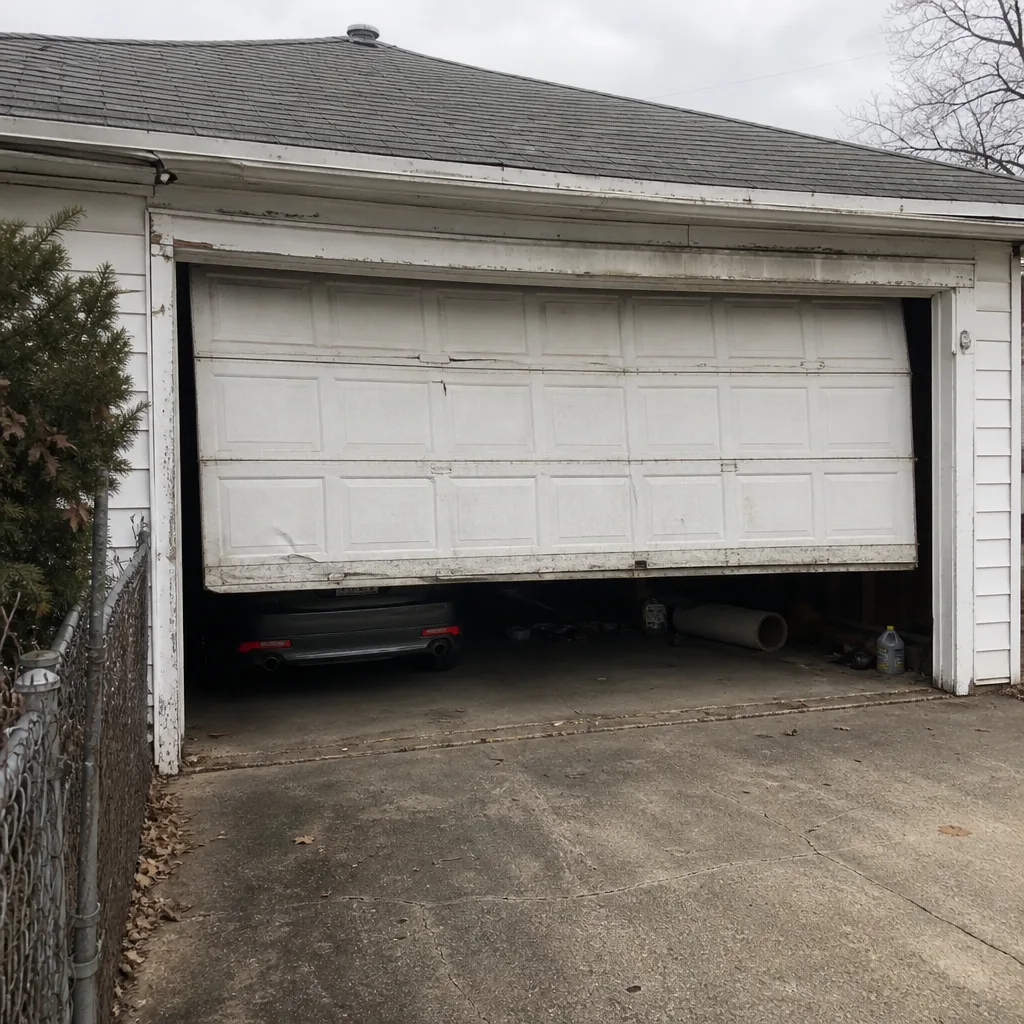 Before
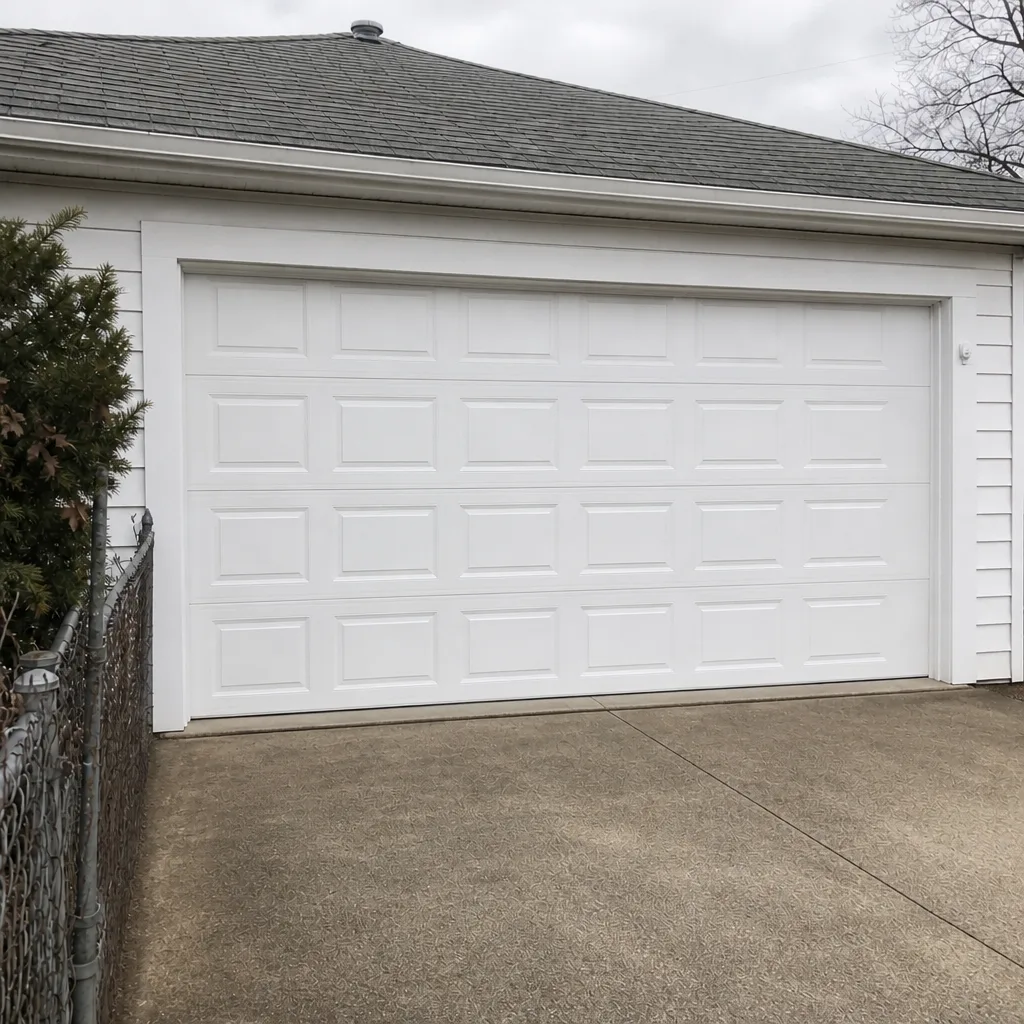 After
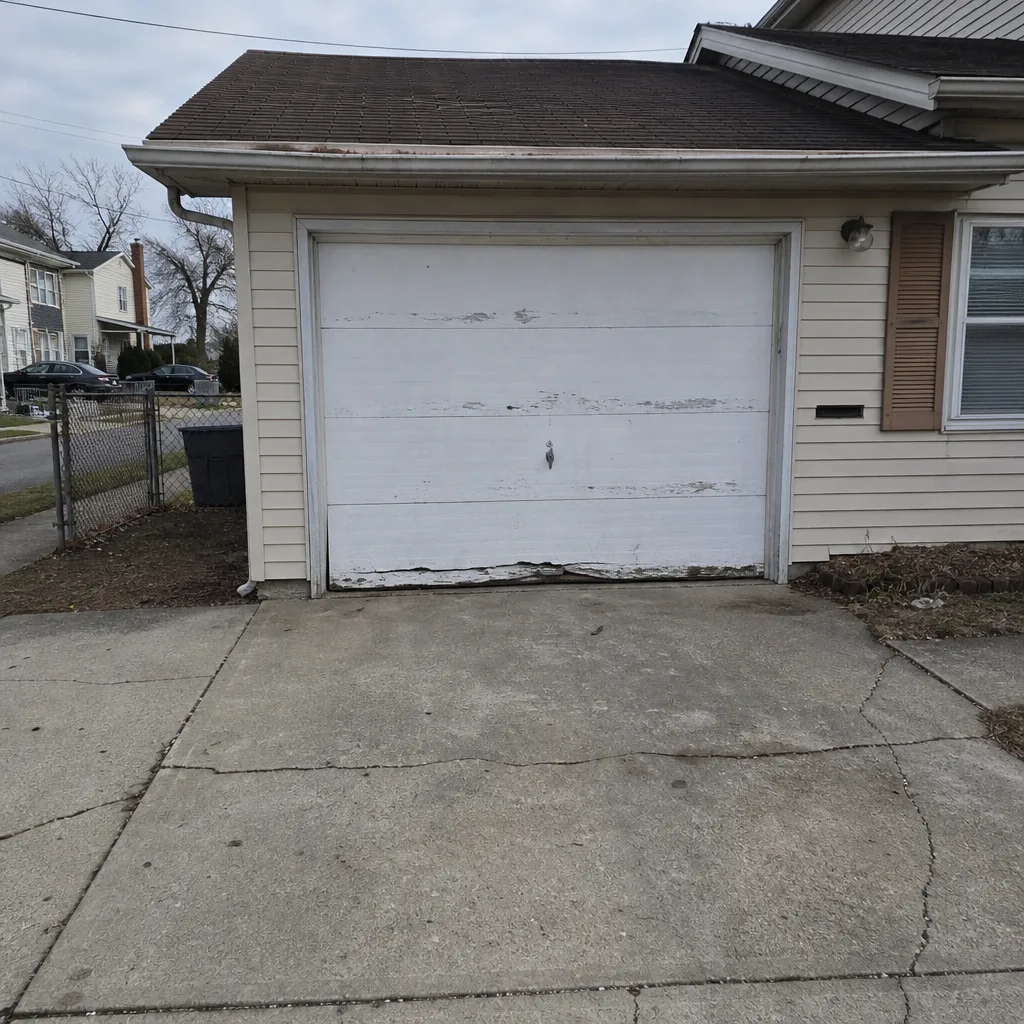 Before
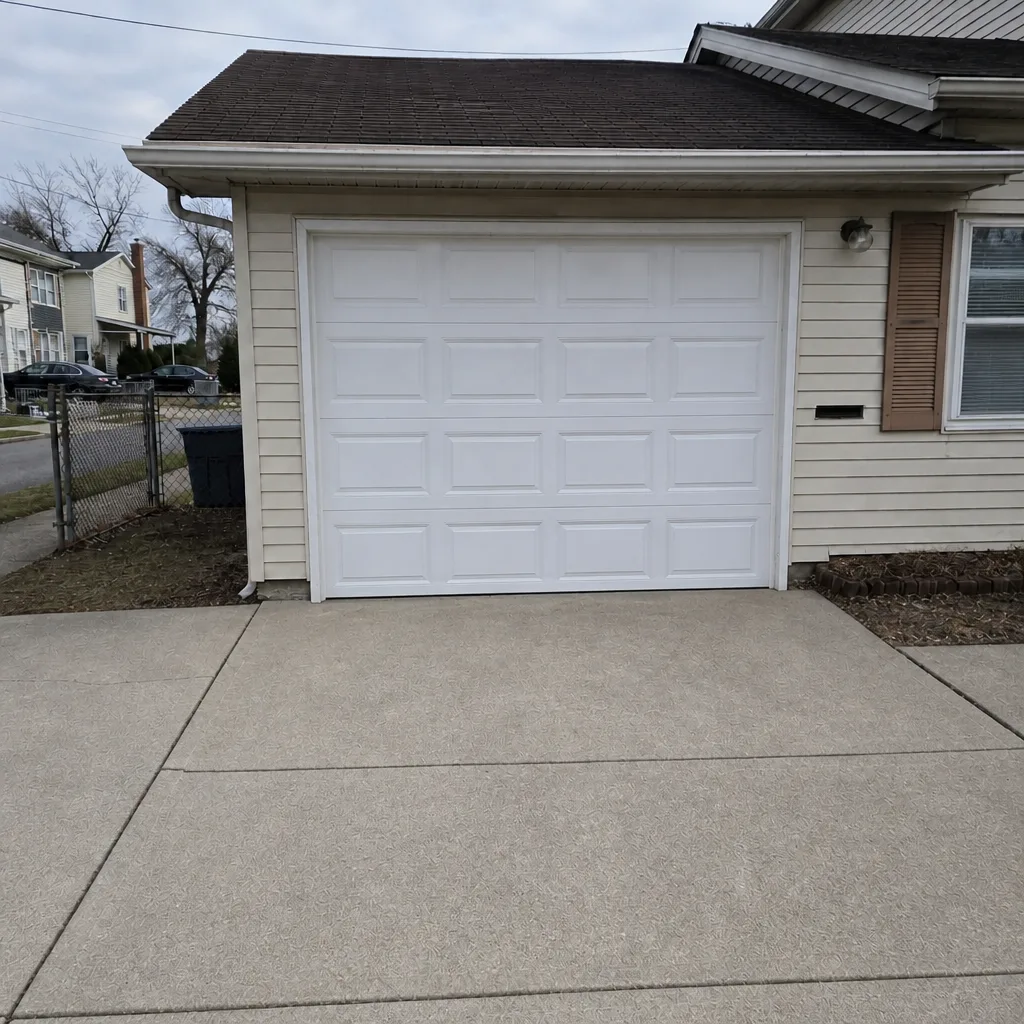 After
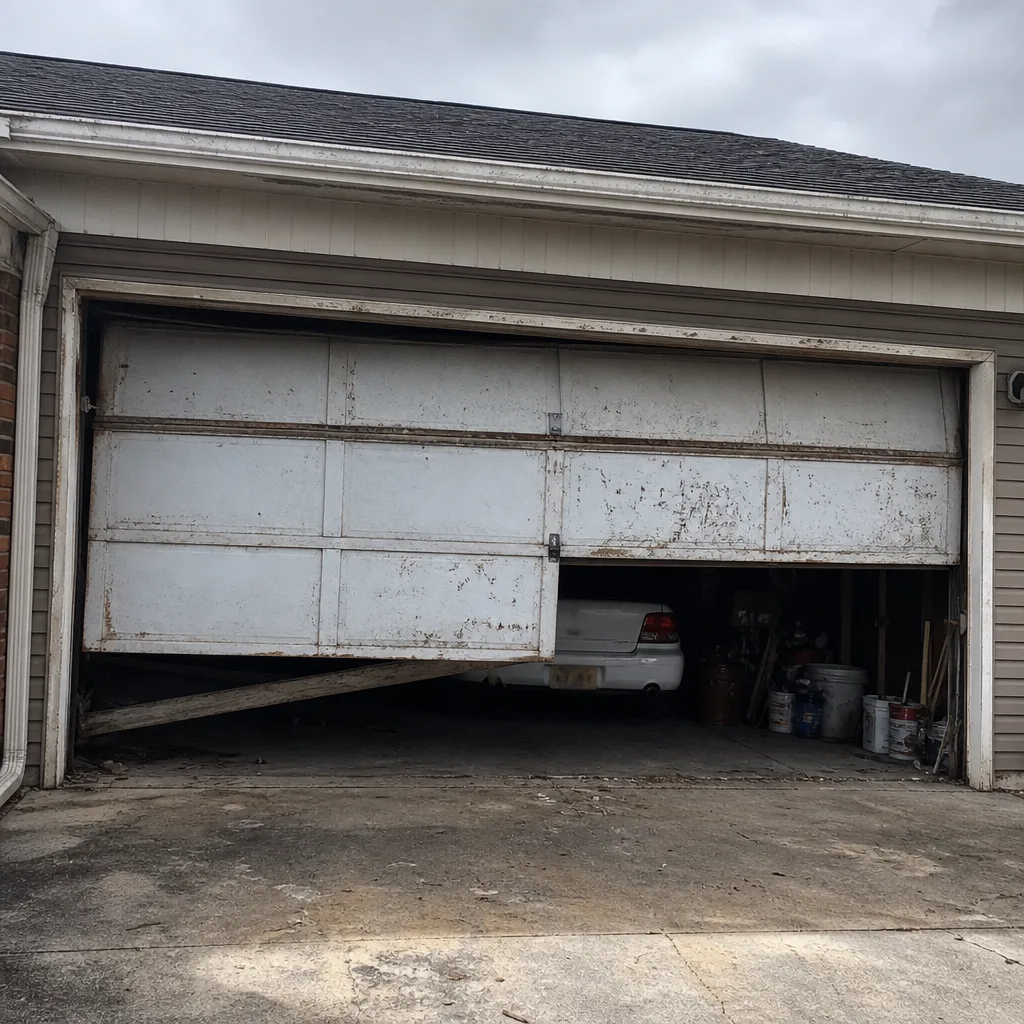 Before
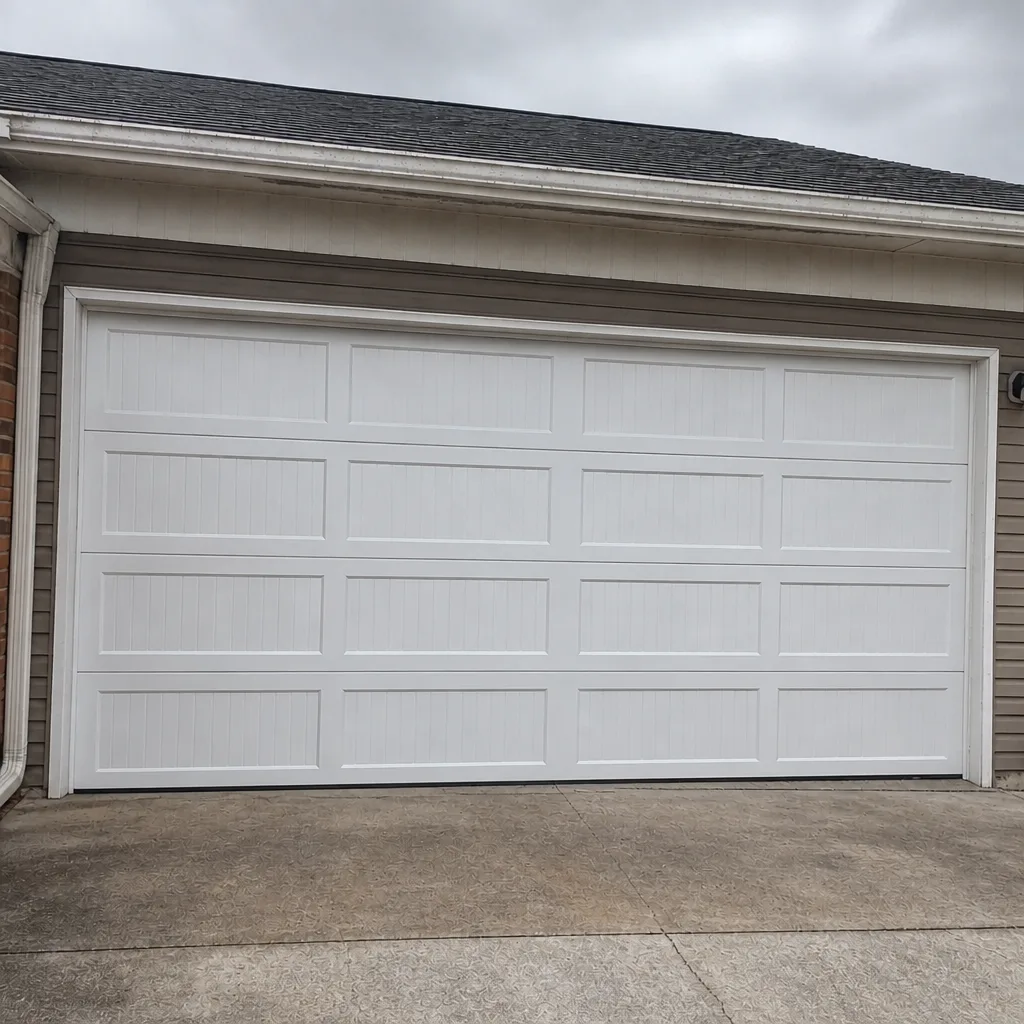 After
When to Call a Professional
Some situations aren’t a maintenance question. If a spring is broken, a cable is slack, the door is off its tracks, or the opener is grinding, stop using the door and call for a specialist. The same goes for a door that’s stuck open and won’t close, or one that reverses randomly on its own. These are safety issues, and a technician needs to see the door in person before any repair can be quoted. We work across all eight major brands, so the diagnosis and the fix are handled by people who know the components inside your equipment, not a general repair service guessing at it. Garage Door Repair Atlantic City offers free estimates in Atlantic City: call (877) 696-4577. We answer 24/7, with fast dispatch from 7am to 7pm.
Frequently Asked Questions
Book an annual professional service and do the monthly and quarterly checks yourself in between. Atlantic City’s damp air means you should lubricate a little more often than the manufacturer’s default schedule if your door faces the bay or the ocean. The full schedule is monthly visual checks, quarterly lubrication, and one annual technician visit.
No. Torsion springs are under extreme tension and a DIY replacement causes serious injuries every year. Spring replacement is a specialist job: our technicians are trained to do it safely, and we handle it as a dedicated repair. If a spring is broken, stop using the door and call for service rather than attempting a fix.
The most reliable sign is the balance test: pull the manual release, lift the door halfway, and let go. If it drops, the springs are losing tension. Other signs are visible gaps in the coils, orange rust on the spring, or a popping sound when the door opens. If any of these show up, call for a spring check before the spring breaks.
Not if it’s done correctly. Manufacturer warranties cover defects in the opener, not damage caused by incorrect repairs. In our experience, the bigger risk to a warranty is a technically incorrect fix, not proper maintenance. That’s one reason we recommend using a technician who knows your brand: LiftMaster, Chamberlain, Genie, and Craftsman all have specific service requirements, and someone who works on them regularly knows what those are.
A door that won’t close is usually a safety sensor issue, a track problem, or a spring failure. First, check that the photo-eye sensors on each side of the door are aligned and not blocked. If they’re clear and the door still won’t close, stop using the opener and call for service. This is one situation where a same-day call matters: a door stuck open leaves the house exposed. We answer 24/7, and a call outside dispatch hours is booked into the next opening, Sunday through Friday, 7am to 7pm.
Depends on the door’s age and condition. If the panels are sound and the track is straight, repairs almost always make more sense. If the panels are rusted through, the door is out of square, or the springs have failed twice in a short period, replacement is worth pricing out. We handle full installation when the repair math doesn’t work, and we’ll quote both sides so you can make the call.
The Bottom Line
A garage door maintenance checklist isn’t a list of chores. It’s a way to catch the wear that Atlantic City’s humidity and daily cycling put on your door before it turns into a callout. Do the monthly visual checks, lubricate with a synthetic or lithium-based product quarterly, and book an annual technician visit for springs, cables, and opener adjustment. Keep WD-40 and grease off the tracks. Never replace a spring or adjust a cable yourself. Those are the items that separate a quiet, reliable door from one that fails on a Monday morning. If you’d rather have someone else run the checklist, we do that too. Call (877) 696-4577 for a free estimate. We answer 24/7, with fast dispatch from 7am to 7pm. And if you ever need the full range of service, from garage door repair to a complete new door, we’re the specialist to call.
Written by the team at Garage Door Repair Atlantic City.