
Last updated November 23, 2026
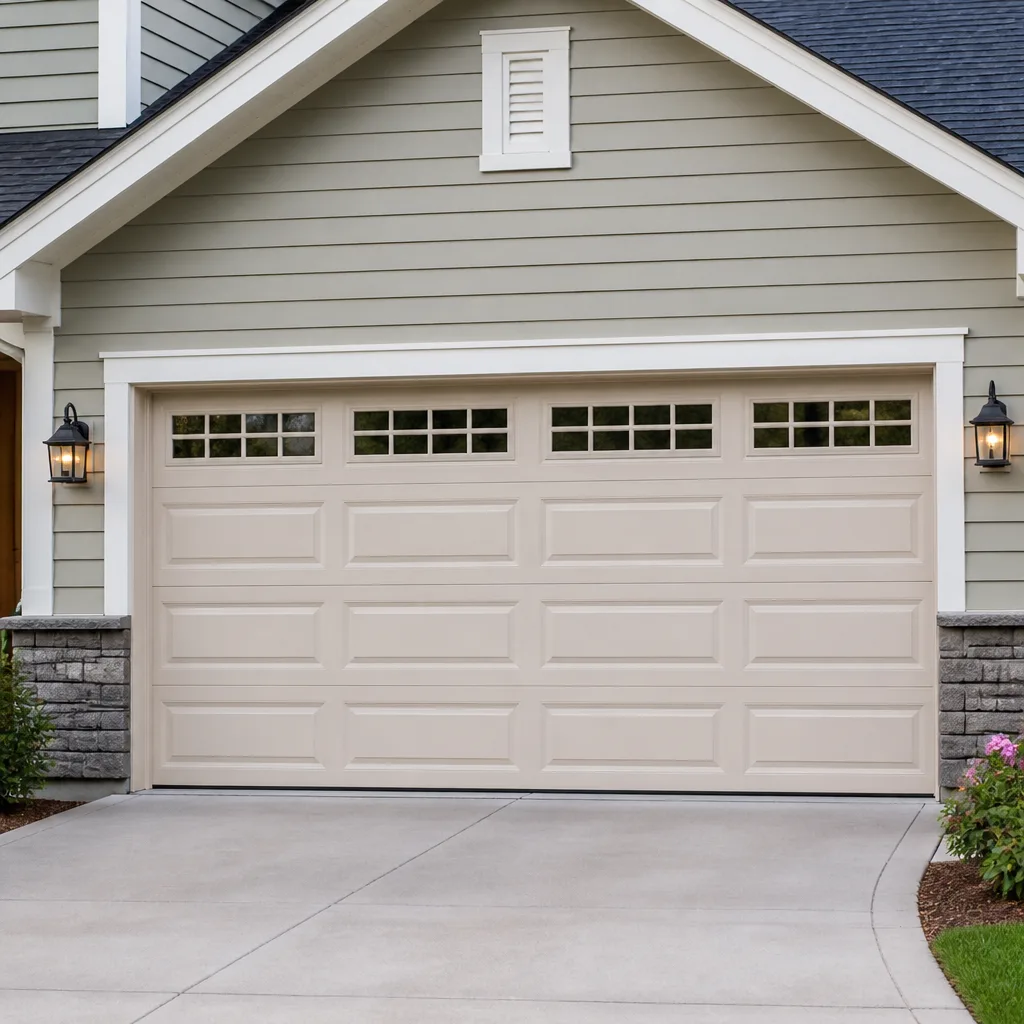 Raised-panel steel
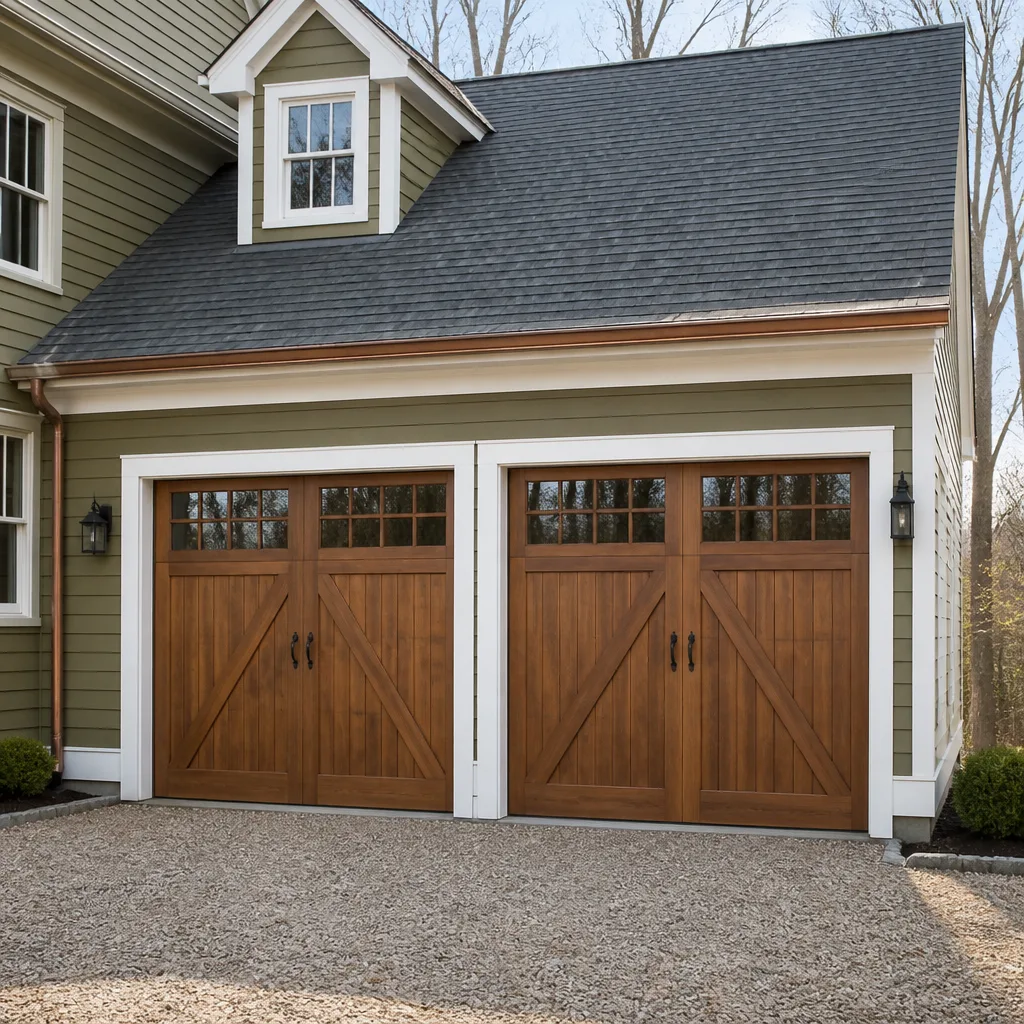 Carriage house
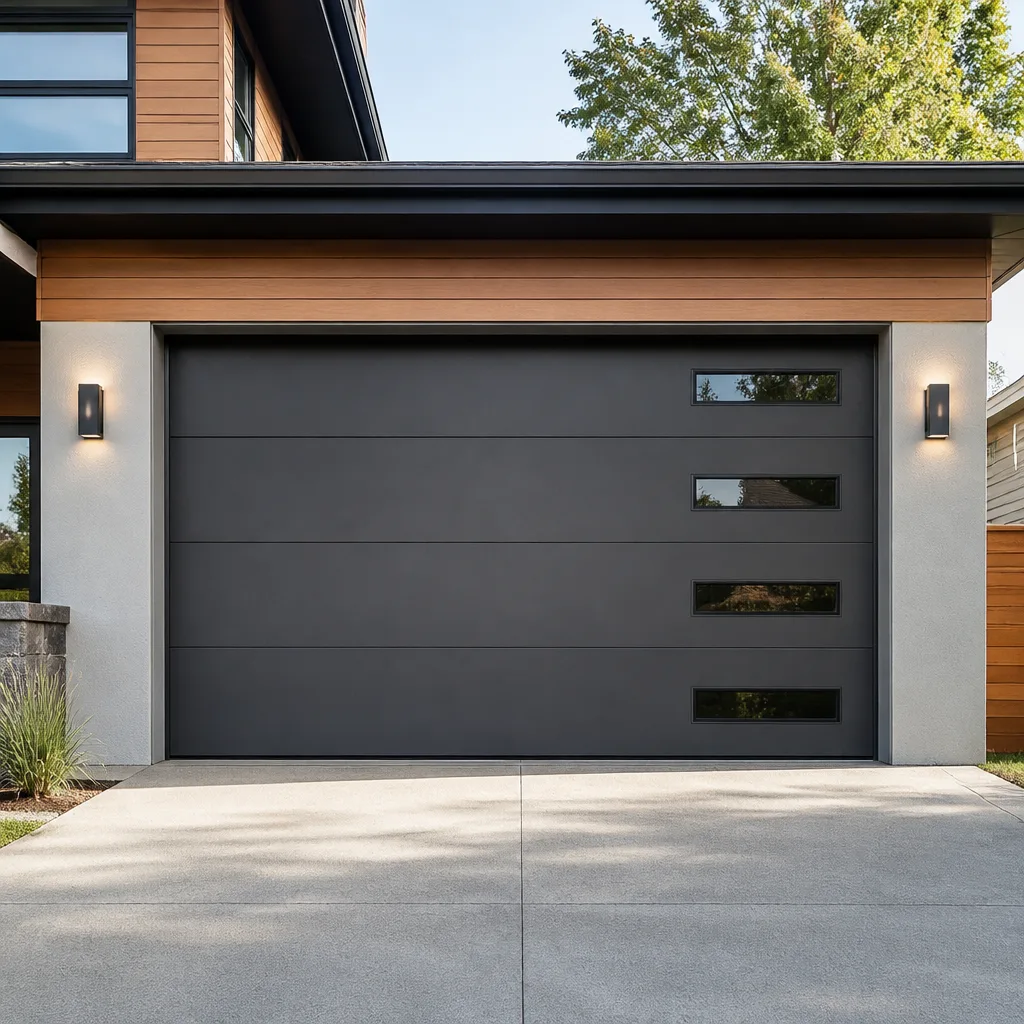 Modern flush
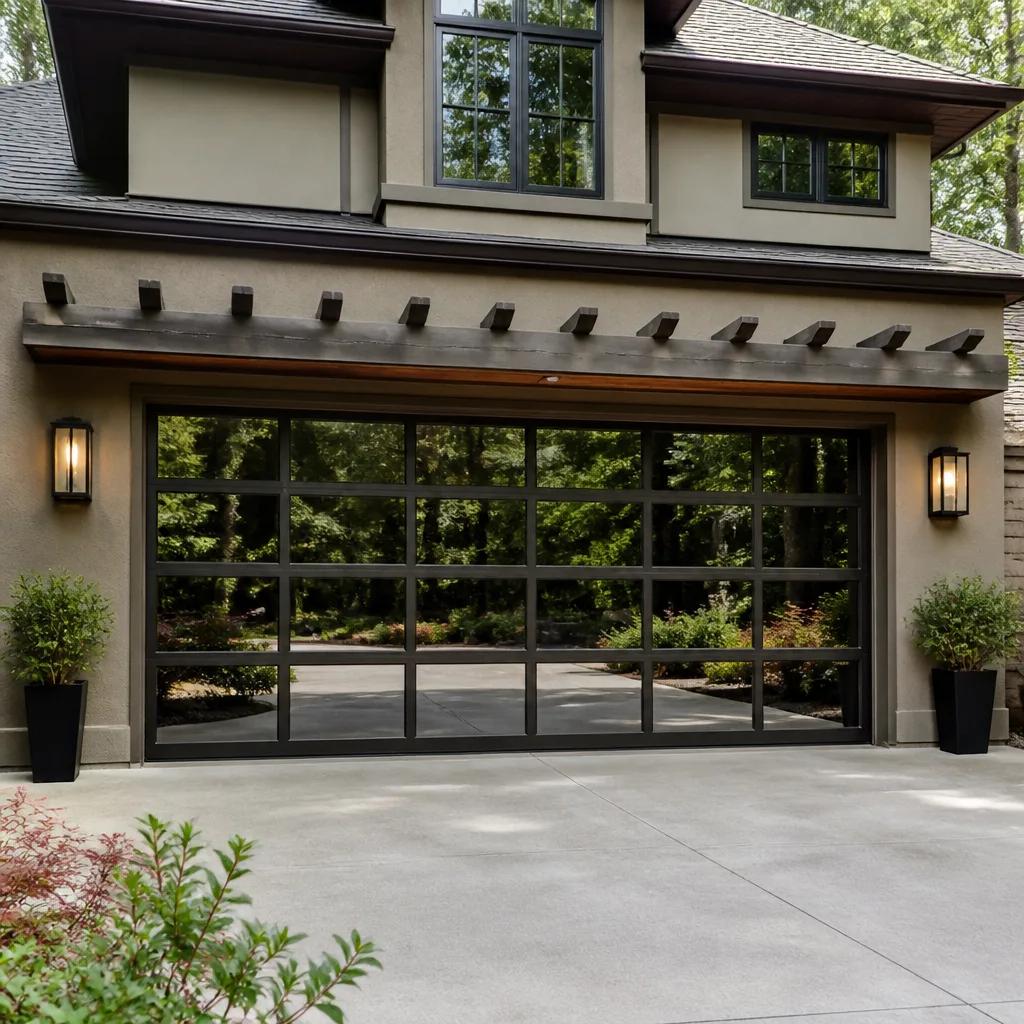 Full-view glass
 LiftMaster openers
 Chamberlain openers
Full 25-point door and opener safety check with every visit - springs, cables, rollers, tracks, and your LiftMaster or Chamberlain opener included
You get a price before we start. It does not change when the pro arrives.
Get your free estimateGarage Door Repair Troubleshooting in Atlantic City: Common Problems and How to Fix Them
The wrong fix on a garage door doesn’t just waste money. It can mask a failing spring that’s weeks away from letting go under high tension, or convince you a sensor is bad when the real problem is a track that’s been out of plumb for months. Most homeowners in Atlantic City troubleshoot by symptom and stop at the first plausible cause. That works for small stuff. It fails on the system-level problems that actually strand your car. What follows is the diagnostic logic a specialist uses: how to sort a fault into mechanical, electrical, or structural before you touch anything, which checks are safe for you to run, and which ones mean you call us.
Quick Answer
To troubleshoot a garage door in Atlantic City, start by identifying whether the fault is mechanical (springs, cables, rollers), electrical (opener, sensors, wiring), or structural (track alignment, panel damage). A door that won’t close is usually a sensor or travel-limit problem, a door that’s heavy and hard to lift by hand points to a spring, and a grinding noise is more often a roller or bearing than the opener itself. If you see a snapped spring or a frayed cable, stop and call a garage door specialist – those parts are under tension and are not a DIY repair.
Styles & brands we work with
- Raised-panel steel
- Carriage house
- Modern flush
- Full-view glass
- LiftMaster openers
- Chamberlain openers
Table of Contents
- Sort the Fault First: Mechanical, Electrical, or Structural
- The Manual Test: What Resistance Tells You
- The Troubleshooting Decision Tree
- Why Atlantic City Conditions Wear Specific Parts First
- Which Symptoms Are Safe to Check and Which Mean Stop
- Opener Symptoms: When It’s the Motor and When It’s Not
- What Garage Door Repair Typically Costs in Atlantic City
- What Actually Prevents Repeat Failures
Sort the Fault First: Mechanical, Electrical, or Structural
Before you climb a ladder or push a button, decide which of three systems is failing. A garage door is one of the few things in your house where the moving assembly (panels, hinges, rollers, cables, springs) and the control system (opener, safety sensors, wall switch, wiring) fail in different ways, and a symptom in one can imitate a symptom in the other. Misclassify it and you end up replacing parts that were fine.
Mechanical faults
These live in the door assembly itself. Watch for:
- Loud pop followed by a door that won’t open. Almost always a broken spring.
- Door lifts a few inches then stops. Spring lost its tension or a cable slipped off its drum.
- Grinding, squealing, or scraping as it moves. Worn rollers, dry hinges, or a bent track.
- Door hangs crooked. One spring broken on a two-spring system, or a cable off its drum.
Electrical faults
The door itself moves fine by hand but the opener won’t run it:
- Opener hums but nothing moves. Motor runs, drive gear or travel carriage doesn’t.
- Door reverses right after starting to close. Safety sensor blocked, misaligned, or wet.
- Wall switch dead but remote works. Wiring or the switch itself.
- Nothing responds at all. Power, a blown logic board fuse, or a dead remote battery.
Structural faults
The frame, track, or panels are compromised:
- Visible gap between track and door. Track bent or pulled loose from the jamb.
- Door binds at one spot. Track out of plumb or panels twisted.
- Dented or cracked panel. Impact damage, or a door that has been backed into.
Once you’ve placed it in one of those three buckets, the rest of this guide narrows it down. If you’d rather skip the diagnosis and get a specialist’s eyes on it, our Garage Door Repair Atlantic City team handles all three categories in one visit.
The Manual Test: What Resistance Tells You
The single most useful investigation a homeowner can safely run is the manual test. It separates spring balance problems from track friction, and it takes about two minutes.
- Close the door fully. Make sure the opener has finished its cycle.
- Pull the emergency release cord. It hangs from the carriage that rides the opener rail. That disconnects the door from the motor.
- Lift the door by hand to about waist height. Use the bottom section, not a hinge or handle.
- Let go, but keep a hand lightly under the door. A properly balanced door should stay roughly where you left it.
- Lift it fully open and lower it again. Note where it gets stiff.
Interpret what you feel:
- Heavy all the way up. Springs have lost tension. Mechanical. Stop here and call.
- Easy at the bottom, hard at the top (or reverse). Springs are mismatched or one has failed.
- Smooth in the middle, binding at one spot. Track friction, a bent roller, or a track out of plumb. Usually fixable without new springs.
- Grinding throughout. Rollers or hinges are worn and dry. Sometimes a sign bearings have gone. Structural-adjacent; needs a pro look.
- Door stays put anywhere, lifts with light effort. Springs are healthy. Your problem is in the opener.
If the door drops or slams when you let go, don’t repeat the test. That’s a failed spring and it means the door is unsafe to move by hand. Call us and we’ll take it from there.
The Troubleshooting Decision Tree
The fastest way to a diagnosis is to follow the symptom to a likely cause, run the safe check, then decide whether to fix or call. Work through this list from top to bottom. Stop at the first symptom that matches.
Symptom: Door won’t close, or reverses partway down
- Likely cause: Safety sensors blocked, misaligned, or wet.
- DIY check: Look at the two small lenses at the bottom of the tracks. Clean them with a dry cloth. Clear any leaves between them. Check that the indicator light on each sensor is steady, not blinking.
- Call us if: The sensors look aligned and clean but the door still reverses. Sensor wiring, a bad logic board, or a travel-limit problem needs a meter and a trained eye.
Symptom: Door won’t open at all, opener hums
- Likely cause: Broken spring, or the opener’s internal drive has failed.
- DIY check: Pull the release and try the manual test above.
- Call us if: The manual test shows a heavy door (spring), or the door is well-balanced but the opener still won’t move it (opener). Both are specialist work.
Symptom: Grinding or loud squeal while running
- Likely cause: Dry or worn rollers, dry hinges, or a metal-on-metal rail.
- DIY check: With the door disconnected and fully open, look at the rollers. Cracked nylon, flattened steel, or a roller that rattles in its hinge means replacement. On a screw-drive opener, a light application of the manufacturer’s recommended lubricant on the rail can quiet squeals.
- Call us if: The noise comes from the torsion bar (the horizontal bar above the door) or the drum on either side. That’s spring-and-cable territory.
Symptom: Door stops a few inches off the ground or in the middle
- Likely cause: Travel limit set wrong, or a piece of debris on the track.
- DIY check: Look for leaves, small sticks, or a fallen screw on the tracks. Sweep them out.
- Call us if: The tracks are clear. Travel limits on LiftMaster and Chamberlain openers need a specific adjustment, and getting it wrong jams the door against the header.
Symptom: Remote or keypad won’t work, wall switch does
- Likely cause: Dead remote battery, lost pairing, or interference.
- DIY check: Fresh battery in the remote. Re-pair it per the opener’s manual.
- Call us if: A re-pair doesn’t take. Board-level issues on a Chamberlain or Craftsman unit are fixable but not by hand.
Why Atlantic City Conditions Wear Specific Parts First
Atlantic City’s weather creates a specific pattern of wear that general garage door guides don’t account for. Humidity swings, warm summers, and cold winters work on the bottom of the door and the moving parts nearest the ground before anything else gives out.
Three local patterns come up again and again:
- Bottom seal rot. The rubber or vinyl seal running along the bottom of the door sits in constant contact with a wet or damp concrete apron after rain. Within a couple of seasons it can harden, crack, and let water wick up into the bottom section. A rotten seal also throws off sensor readings because the door doesn’t seat where the opener expects.
- Roller corrosion. Steel rollers in the tracks collect condensation from Atlantic City’s humid stretches. Rust jams the bearing inside the roller, and the door starts grinding in the middle of its travel. Nylon rollers tolerate humidity better, which is why we often recommend them for doors on the island side of town.
- Spring rust and cable wear. The torsion bar and the springs around it aren’t sealed. Moisture from the air collects dust, dust holds moisture, and that thin layer of grime can accelerate rust on a spring’s coils and the cables that run through them. Rusted coils lose tension unevenly, which is why a door sometimes gets “crooked” before a spring breaks.
Beyond weather, Atlantic City homes vary a lot in how their garages are built. Condos and townhomes in neighborhoods like Chelsea or the Marina District often have tight-clearance single-car garages where a low-headroom door or side-mount opener was installed to save ceiling space. Those systems have their own failure patterns, and a technician who knows a LiftMaster wall-mount works differently from a standard ceiling unit can save you a lot of guesswork.
If your opener is part of the problem, our garage door opener repair team works on both the standard units and the smart/WiFi-enabled LiftMaster, Chamberlain, Genie, and Craftsman systems installed in newer Atlantic City homes.
Which Symptoms Are Safe to Check and Which Mean Stop
Some troubleshooting is safe. Some can hurt you. A garage door holds a surprising amount of stored energy in the springs, and the cables carrying that load can snap without warning. Here’s the line we draw.
Safe to check yourself
- Safety sensor alignment and cleanliness
- Remote batteries and pairing
- Wall switch function
- Visible debris in the tracks
- Roller appearance with the door disconnected and fully open
- Whether the door is responsive to the wall button (on/off)
Stop and call a professional
- A broken torsion spring. A gap in the coil above the door means a spring has snapped. That spring and its mate are under high tension even at rest. Don’t try to move the door and don’t attempt to unwind or replace anything yourself.
- Frayed or kinked cable. Cables are what translate spring force into lifting force. A frayed cable can cut through skin and can fail suddenly. Leave it.
- Door off its track or hanging crooked. The door’s weight is now being carried by fewer points than it was designed for. A section can drop.
- Visible torsion bar sagging or a drum that’s come loose. This is a spring system failure that a trained technician has to bring back to zero tension before anything else can be done.
- Opener making electrical buzzing with no movement, repeatedly. If the opener is straining against a jammed door, you can burn the motor. Disconnect at the release and let a pro diagnose.
Spring replacement is not a DIY job. That’s not a sales line – it’s the single most common reason homeowners end up with an injured hand or a door that comes down on them. Treat a spring failure as an emergency.
Opener Symptoms: When It’s the Motor and When It’s Not
Openers get blamed for problems that live in the door. That’s because the opener is the loudest, most visible part of the system, and a struggling motor sounds like a broken motor. Before you replace an opener, rule out the door.
Run this quick separation:
- Door moves easily by hand, opener won’t move it. The fault is in the opener. Common causes: failed capacitor, stripped drive gear, bad logic board, or a burnt-out motor on an older unit.
- Door is heavy by hand, opener strains or hums. Springs have lost tension. Replacing the opener won’t fix it – the motor will just fail faster.
- Door moves a few inches then reverses. Sensor or travel limit, not the motor.
- Door reverses randomly. Sometimes a safety sensor picking up sunlight reflection or a loose wire. Worth a visual check before assuming the board is bad.
Newer openers add another layer. Chamberlain and LiftMaster units with WiFi modules and smartphone control have logic boards that can misbehave when a firmware update hasn’t finished or when the module loses power mid-update. A Craftsman or Raynor opener from the same family will typically share the same internal design. If your wall button works but the app doesn’t, we can usually sort it without replacing the opener.
When an opener is genuinely past saving, we work with the door you have to recommend a replacement that fits its weight, its travel, and your budget. Same-day opener repair is part of what we offer for Atlantic City homeowners who need it fixed now.
What Garage Door Repair Typically Costs in Atlantic City
Prices vary by the part, the door, and how much of the system the technician can save. Here’s what a typical repair runs in the Atlantic City market. These are estimates for the job, not exact prices for your door, and the written estimate you get after we look at the door sets the final price.
- Broken spring (one spring): $180-$340. A matched pair is almost always replaced together, so expect roughly double that for a set.
- Safety sensor replacement (pair): $100-$200
- Roller replacement (full set): $120-$260
- Cable replacement (one side): $140-$280
- Opener repair (board, capacitor, gear): $150-$340
- Opener replacement (motor only): $400-$800
- Track straightening or realignment: $120-$260
- Bottom seal replacement: $90-$180
Every estimate is free, and no work starts until you’ve seen a price and agreed to it. If the diagnosis changes once we’re on-site, you’ll hear about it before we touch a tool – not on the invoice. Call (877) 696-4577 for a quote.
What Actually Prevents Repeat Failures
The repairs that come back are almost always the ones done in isolation. If a door has one broken spring on a pair and only that one gets replaced, the other – which is just as old and has been carrying the same load alone for however long the door was broken – tends to fail soon after. A good technician will tell you that up front and let you decide.
The other prevention basics are simpler than they sound:
- Lubricate the moving parts. Hinges, rollers, and the opener rail. Use the lubricant the door or opener manufacturer recommends – not WD-40, which is a solvent, not a lubricant.
- Clean and align sensors. A dry cloth on each lens, once a season, prevents most “won’t close” calls.
- Watch the bottom seal. In Atlantic City’s humidity, replace it before it cracks. A rotten seal lets water into the door’s bottom section, and panel replacement costs far more than a seal.
- Listen for changes. A door that starts getting noisier is telling you something. Address it before it becomes a spring failure.
- Have the balance tested. A quick manual test once a year catches a weakening spring before it snaps and takes a day of your driving with it.
None of this takes more than an hour total across a year. Compare that to a stranded car in front of a closed door on a busy morning.
Common Mistakes to Avoid
- Replacing the opener when the door is the problem. A humming opener on a heavy door is a symptom, not the fault. Replacing it wastes hundreds of dollars and the new motor fails just as fast.
- Replacing one spring out of a pair. Springs on the same door wear at the same rate. If you don’t replace the second one now, it will follow shortly and you’ll pay for the visit twice.
- Winding your own torsion spring. The tools alone cost more than the repair, and the injury risk is real. Every year people get hurt because they watched one video and thought it looked simple.
- Using the door with a snapped spring. That door is now unsupported on one side. The opener will try to push it up against its own weight and can twist the panels or pull the track out of line.
- Ignoring the bottom seal in Atlantic City humidity. A cheap seal replacement prevents a much more expensive bottom-section repair a season or two later.
- Assuming “it’s just the remote” when the wall switch is also dead. If both are down, the problem is in the opener or its power supply, not the remote.
- Forcing the door past a bind. A door that binds at one point on the track is usually a roller, track alignment, or hinge problem. Pushing through it bends panels and warps tracks.
See the difference
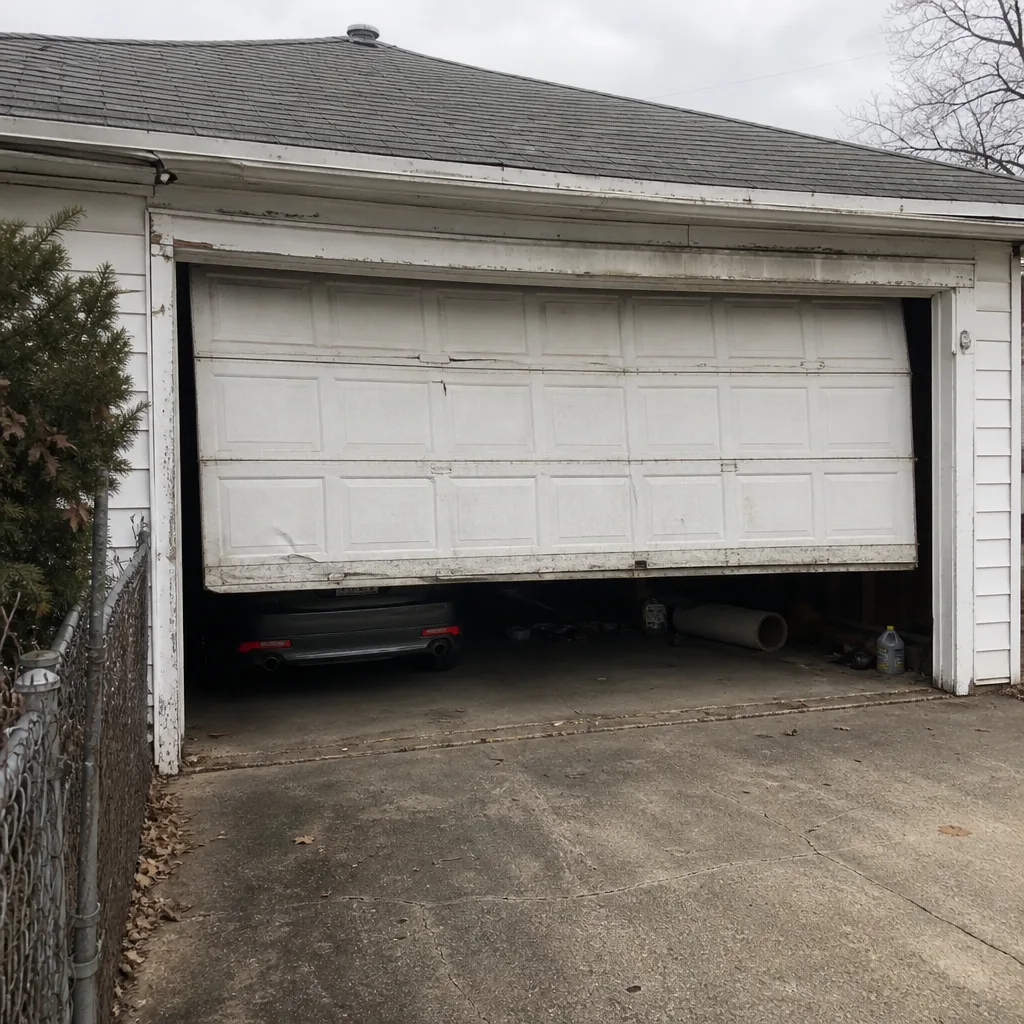 Before
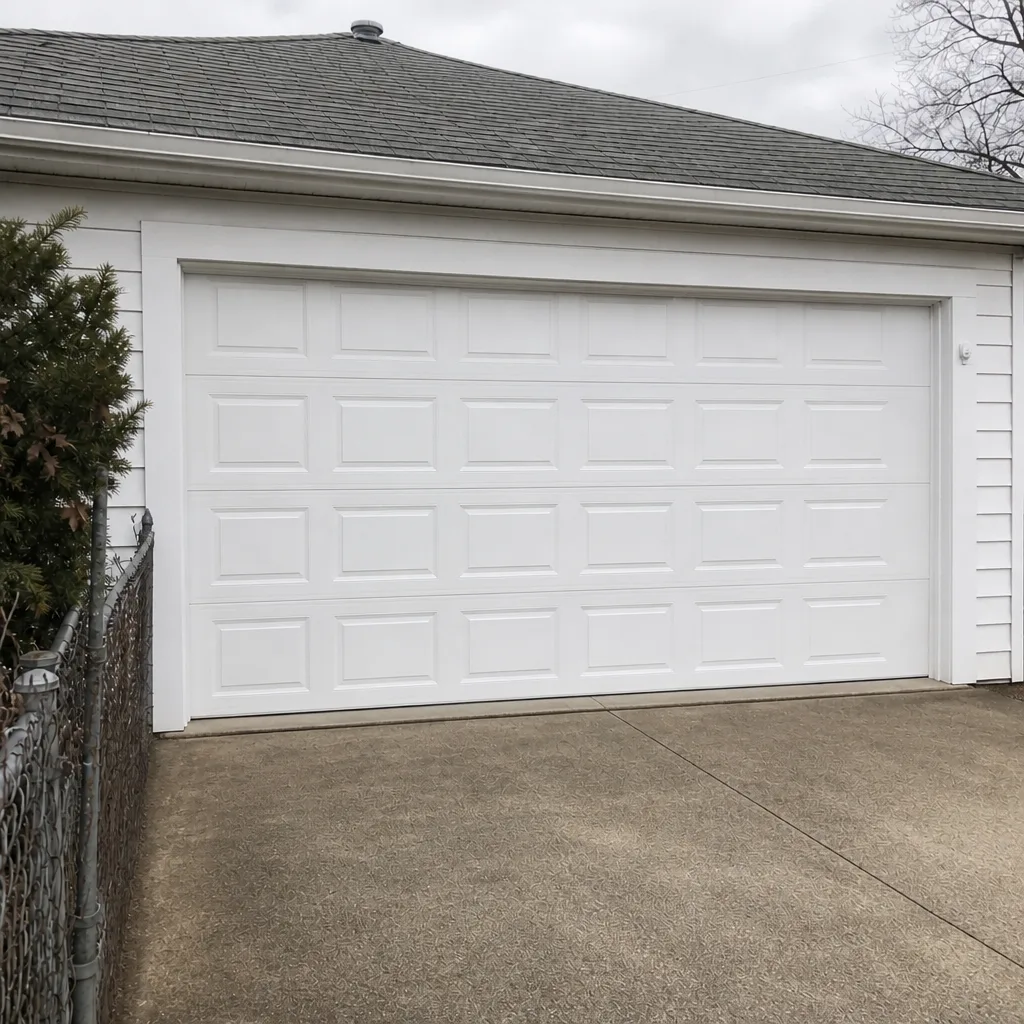 After
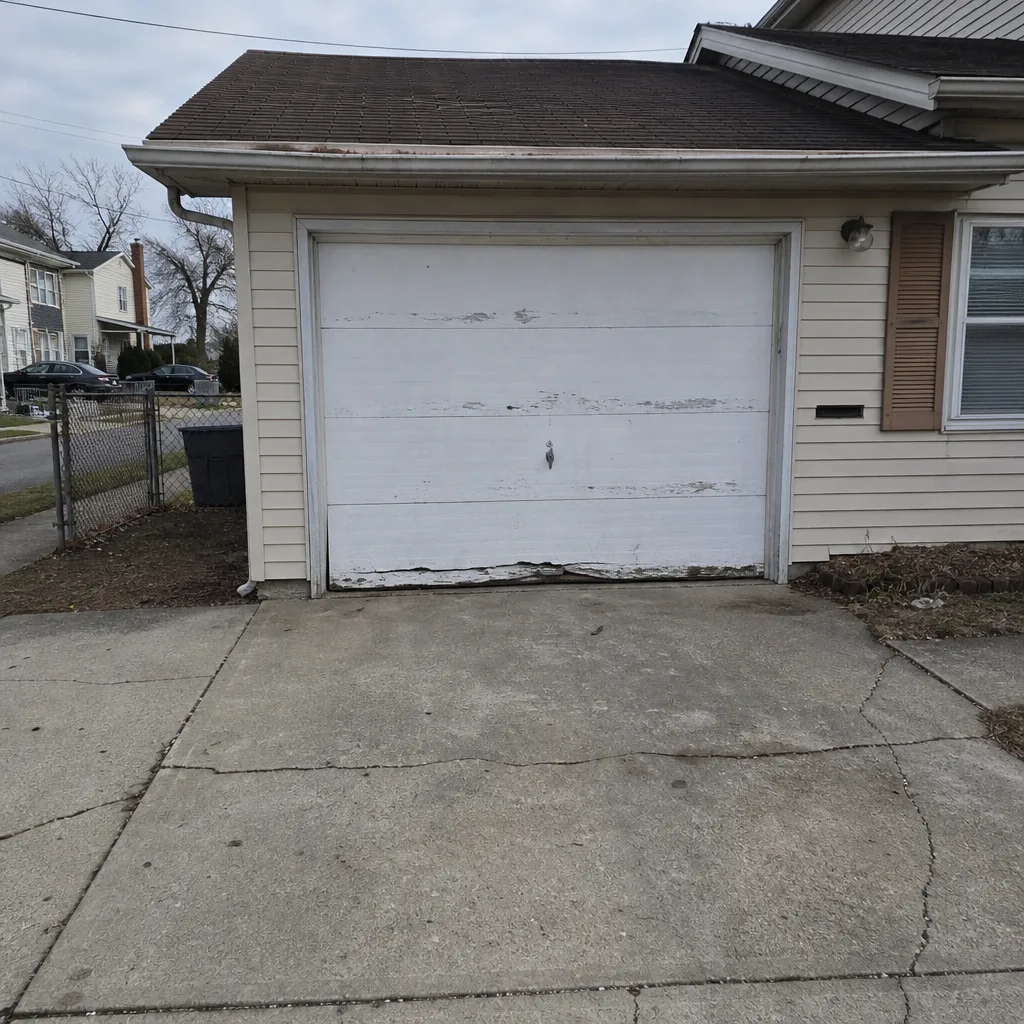 Before
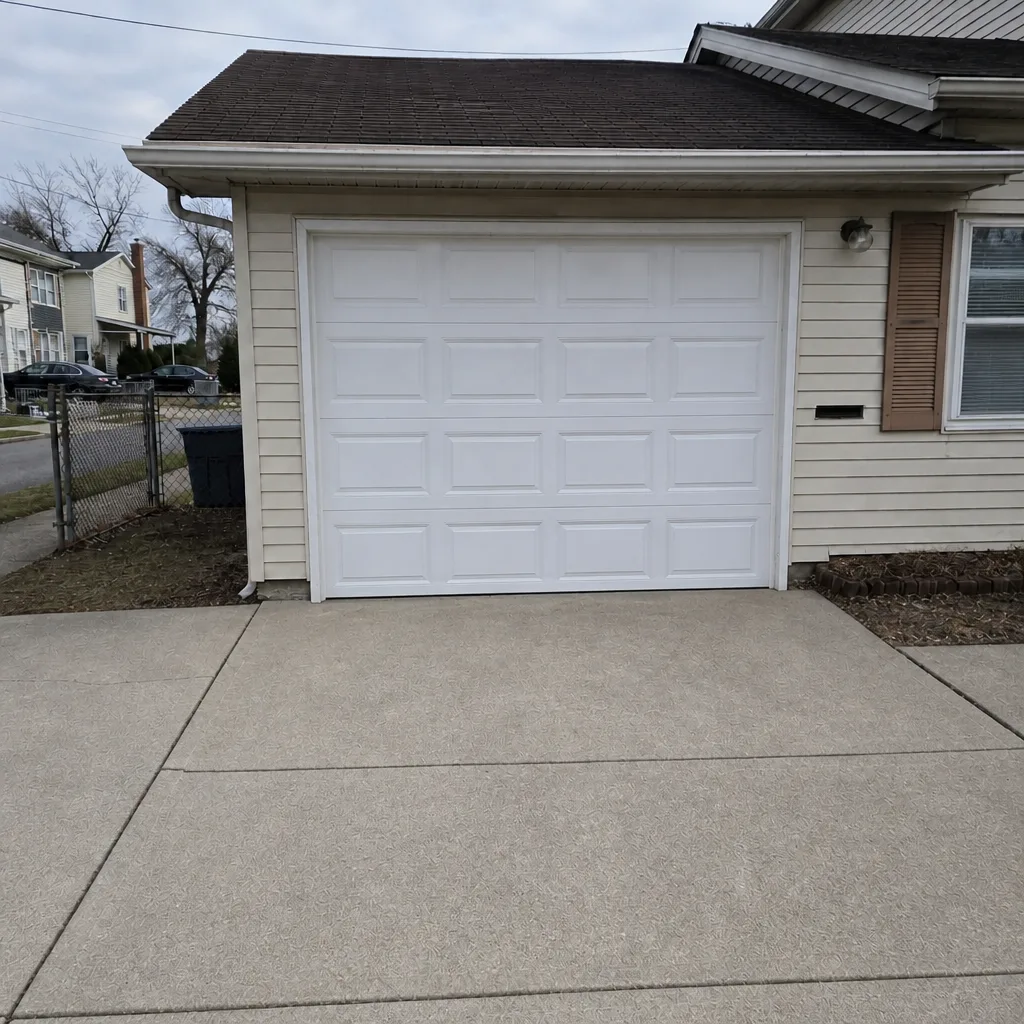 After
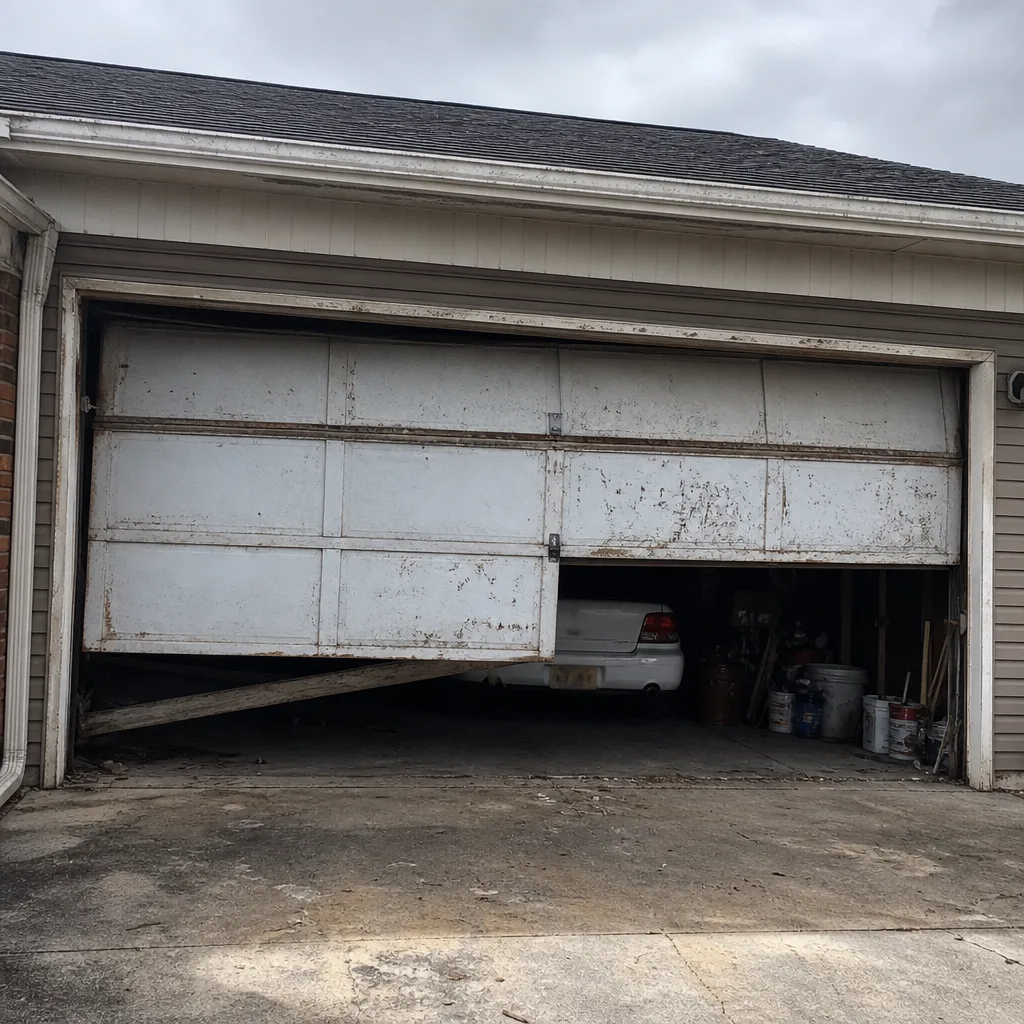 Before
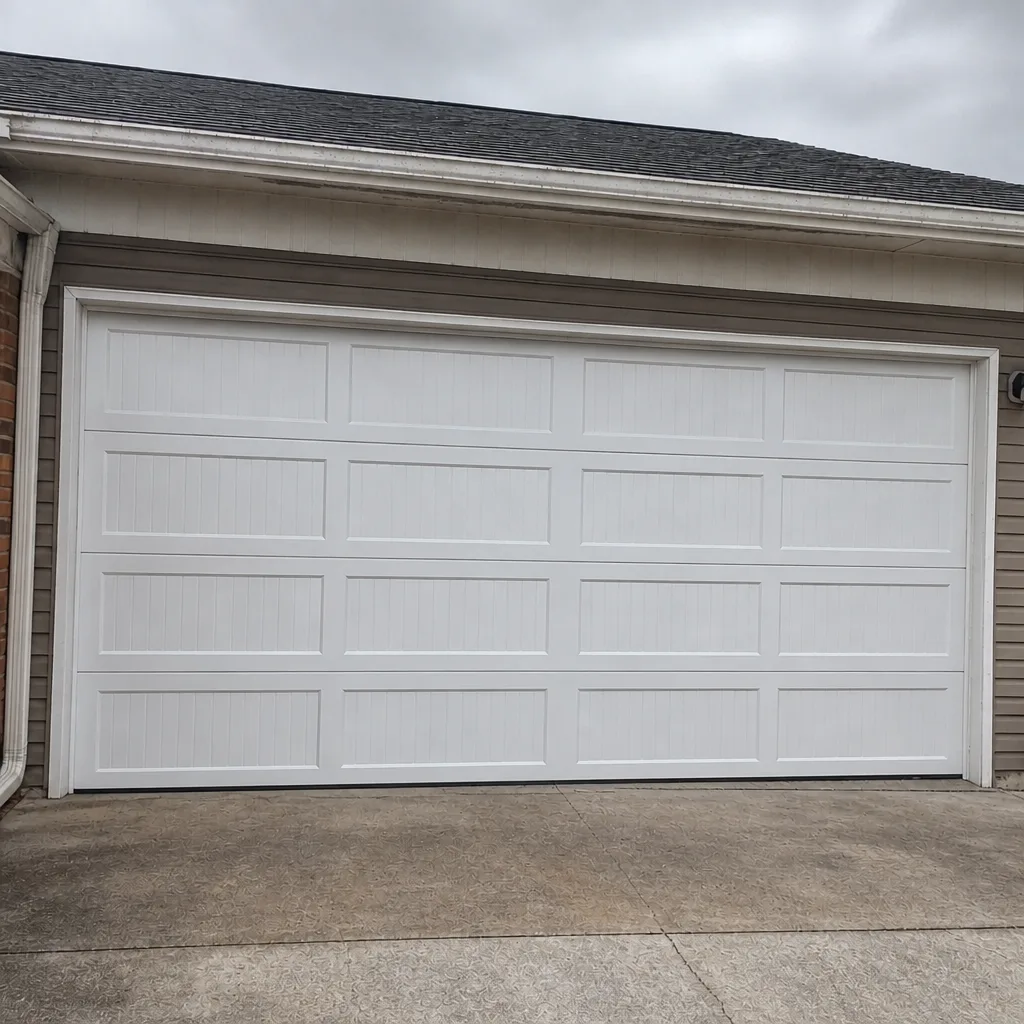 After
When to Call a Professional
Call a specialist if the door has snapped a spring, shows a frayed cable, won’t lift under its own balance, has come off its track, or hangs visibly crooked. Those are all situations where continuing to move the door risks injury or makes the eventual repair bigger. Also call if you’ve checked the sensors, cleared the tracks, replaced the remote batteries, and the door still won’t behave. That’s a sign the problem is in the opener’s board, a travel limit, or a spring that’s lost tension without breaking – all of which need a trained diagnosis.
Our technicians have up to 13 years of experience, work only on garage doors, and are familiar with the parts inside LiftMaster, Chamberlain, Genie, Clopay, Amarr, Wayne Dalton, Craftsman, and Raynor systems. Garage Door Repair Atlantic City offers free estimates in Atlantic City – call (877) 696-4577. We answer 24/7. Fast dispatch from 7am to 7pm, Sunday through Friday.
Frequently Asked Questions
Disconnect the opener with the emergency release and lift the door by hand. If it’s very heavy or won’t stay up, the spring has failed. If it lifts easily by hand but the opener still won’t move it, the opener is the problem. Either way, call (877) 696-4577 for a diagnosis – estimates are free.
No. Torsion springs on a residential door sit under high tension even when the door is closed, and winding one incorrectly can cause serious injury. Spring replacement is a specialist repair – our garage door spring repair team handles it as a dedicated, safety-critical job. Call (877) 696-4577 to schedule.
In this climate the most likely cause is a safety sensor that’s misaligned, dirty, or wet from rain. Clean both lenses with a dry cloth and check for steady indicator lights. If the door still reverses, the sensor wiring or the opener’s travel limit needs a technician. Call (877) 696-4577 for a same-day visit.
Most repairs fall between $90 and $340, with a single spring usually running $180-$340 and a matched spring pair roughly double that. Opener replacements cost more, typically $400-$800. Prices are estimates – the written quote you get before any work starts is the price. Call (877) 696-4577 for a free estimate.
We treat a stuck door as an emergency and offer same-day service for it. Call (877) 696-4577 right away. We answer 24/7. Fast dispatch from 7am to 7pm, Sunday through Friday, and a call outside those hours is booked into the next opening.
Grinding that doesn’t stop the door is almost always a worn roller or dry hinge, not the opener. Have someone open the door while you watch the rollers – cracked nylon or flattened steel means replacement. Call (877) 696-4577 for a look before the friction damages the track.
The Bottom Line
Diagnose before you fix. Sort the fault into mechanical, electrical, or structural, run the manual test to separate spring balance from track friction, and stay out of spring and cable territory – those are the parts that hurt people. In Atlantic City, watch the bottom seal, the rollers, and the spring coils; humidity finds them first. If you’ve done the safe checks and the door still misbehaves, or you’ve spotted a snapped spring or frayed cable, call us. Our garage door repair team works on every major brand, and we’ll give you a straight answer and a written price before anything starts.
Call (877) 696-4577 for a free estimate.
Written by the team at Garage Door Repair Atlantic City.