
Last updated November 23, 2026
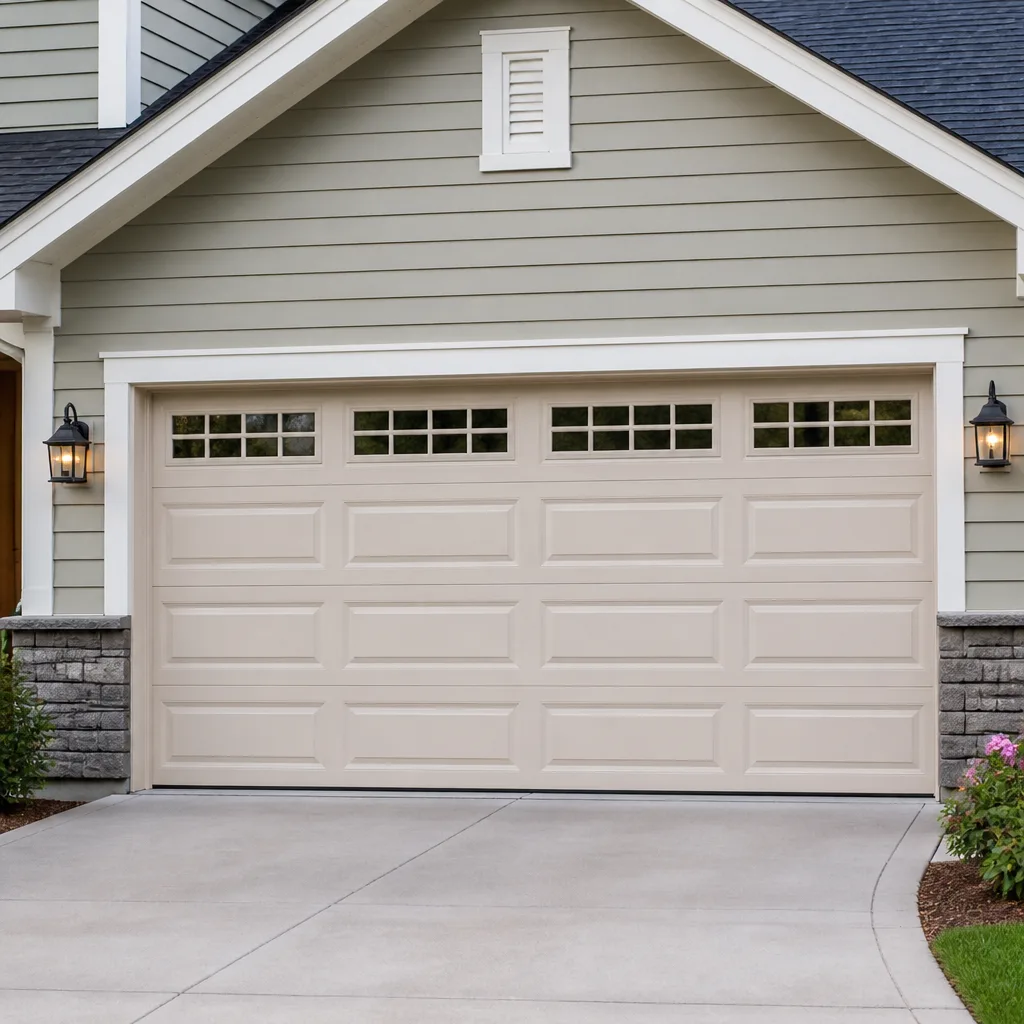 Raised-panel steel
 Carriage house
 Modern flush
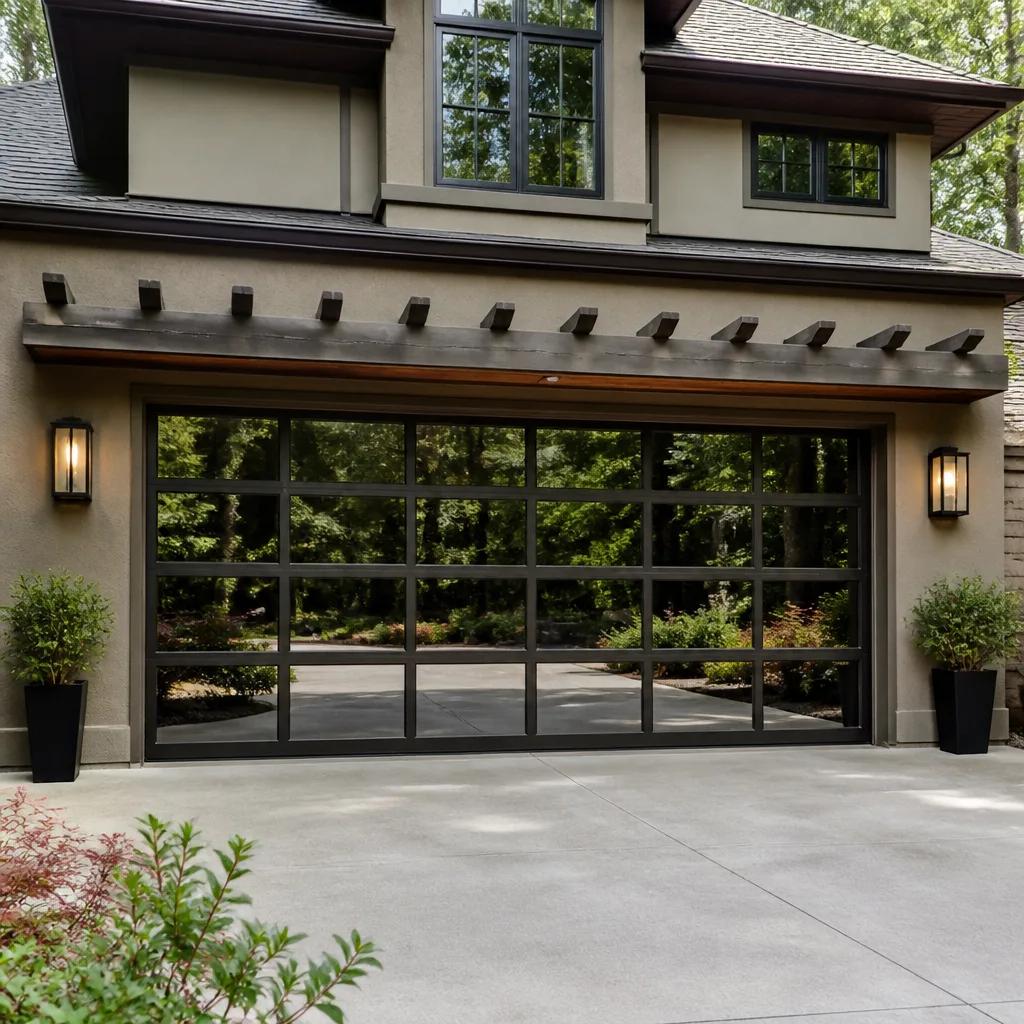 Full-view glass
 LiftMaster openers
 Chamberlain openers
Full 25-point door and opener safety check with every visit - springs, cables, rollers, tracks, and your LiftMaster or Chamberlain opener included
You get a price before we start. It does not change when the pro arrives.
Get your free estimateGarage Door Repair Maintenance Schedule: What to Do and When
Most garage door advice tells you to lubricate twice a year and call it done. That schedule was written for a door in a mild, dry climate, and it doesn’t hold up in Atlantic City. Here, a torsion spring on a door that opens and closes four times a day can cycle well past 10,000 times in a year, and the humidity, wind-driven rain and nor’easter pressure swings off the Atlantic work on hinges, cables and bottom seals in ways a generic checklist never mentions. Homeowners rarely know how many cycles are left on a spring until it snaps. This guide builds a maintenance calendar specific to Atlantic City homes, covers how to estimate spring life, and shows what you can safely check yourself versus what belongs with a trained technician.
Styles & brands we work with
- Raised-panel steel
- Carriage house
- Modern flush
- Full-view glass
- LiftMaster openers
- Chamberlain openers
Quick Answer
A garage door in Atlantic City needs a monthly visual and safety check, a seasonal lubrication and hardware tightening every three months, and a full professional service once a year. Springs should be cycle-checked annually and replaced as a matched pair when they near their rated life. Anything involving the torsion spring, cables or the opener’s internal wiring should go to a specialist, not a homeowner with a ladder.
Table of Contents
- The Monthly Ten-Minute Inspection
- The Seasonal Lubrication and Hardware Calendar
- Estimating Spring Cycle Life and When to Replace
- The Pre-Storm Checklist for Nor’easters and Hurricane Season
- Cables, Rollers and Bottom Seals: What to Look For
- DIY Maintenance and Opener Warranties
- The Annual Professional Service
- Common Mistakes to Avoid
The Monthly Ten-Minute Inspection
Ten minutes once a month catches most problems while they’re still cheap. You’re not repairing anything here. You’re looking and listening, and noting anything that changed since last month. Atlantic City’s humidity means small issues have a habit of growing from one season to the next, so a fast monthly pass pays for itself.
Work through this in order:
- Listen to the door. Run it up and down once. A grinding, scraping or rattling sound points to rollers, hinges or a dry track.
- Watch the balance. Pull the release handle (with the door fully closed and nothing under it) and lift the door halfway by hand. It should hold there. If it drops or rises on its own, the springs are out of balance.
- Check the reversal. Put a roll of paper towels under the door and close it. The door should reverse on contact. This is the single most important safety test on your door.
- Look at the tracks. Run a hand along the inside edges for dents, debris or loose brackets. Don’t force a bent track back into shape.
- Glance at the springs. From the floor, check the torsion spring above the door for a visible gap. A gap means the spring has broken.
- Check the bottom seal. Look for tears and for daylight underneath. A worn seal lets in rain and pests.
If anything fails this test, stop using the door and book a service call. If it passes, you’re done for the month.
The Seasonal Lubrication and Hardware Calendar
Lubrication belongs on a schedule tied to the seasons, not to a vague “twice a year.” Atlantic City sees a hot, humid summer and a cold, wet winter, and each season asks for something different. The right products matter too. WD-40 as a lubricant is a mistake. It’s a solvent and water displacer, and it will attract dust and gum up over time.
Use a white lithium grease or a silicone-based garage door lubricant on the moving parts. Here’s how to break the year down:
- Spring: Apply a light coat of lubricant to the torsion spring coils every season to reduce friction and slow corrosion.
- Hinges and rollers: One drop of lubricant per hinge pivot and per roller stem, every three months. Don’t overdo it. Excess attracts grit.
- Tracks: Never grease the tracks. Wipe them clean with a damp cloth and leave them dry. A greased track collects dirt and the rollers skid instead of rolling.
- Hardware bolts: Check and tighten the bracket and hinge bolts every three months with a socket set. Vibration loosens them, and a loose bracket puts strain on the panels.
- Weather seal: Wipe the bottom seal clean and check for hardening every season. In summer heat and winter cold, rubber and vinyl both age.
- Photo-eye sensors: Wipe the lenses on the safety sensors at the base of the tracks monthly, and confirm they’re aligned.
Brands like Clopay and Amarr publish recommended service intervals in their owner manuals, and those are worth a look. But the coastal New Jersey climate justifies a slightly more frequent hardware check than a dry-climate manual assumes.
Estimating Spring Cycle Life and When to Replace
Every garage door spring is rated for a set number of cycles, and a cycle is one full open and close. Standard springs are often rated for around 10,000 cycles; higher-cycle springs are rated for more. A door that opens four times a day cycles about 1,460 times a year, so a standard spring may be near its limit in seven years or less. A busy household can hit that faster.
You can estimate the cycles left on your spring, but you need to know a few things first. Sit down with the door closed and count:
- Daily cycles. Count how many times the door opens and closes in a typical day for your household. Multiply by 365 for the yearly figure.
- Spring type and size. Torsion springs are rated by wire diameter, inside diameter and length. You’ll usually find this stamped or labeled on the spring or in the door’s documentation.
- Approximate door weight. A heavier door, or a door with a thicker insulated panel, needs a stronger spring and puts more load on the assembly.
- Estimated years used. Multiply daily cycles by the number of years the spring has been in service to get a rough cycle count used.
Sub
See the difference
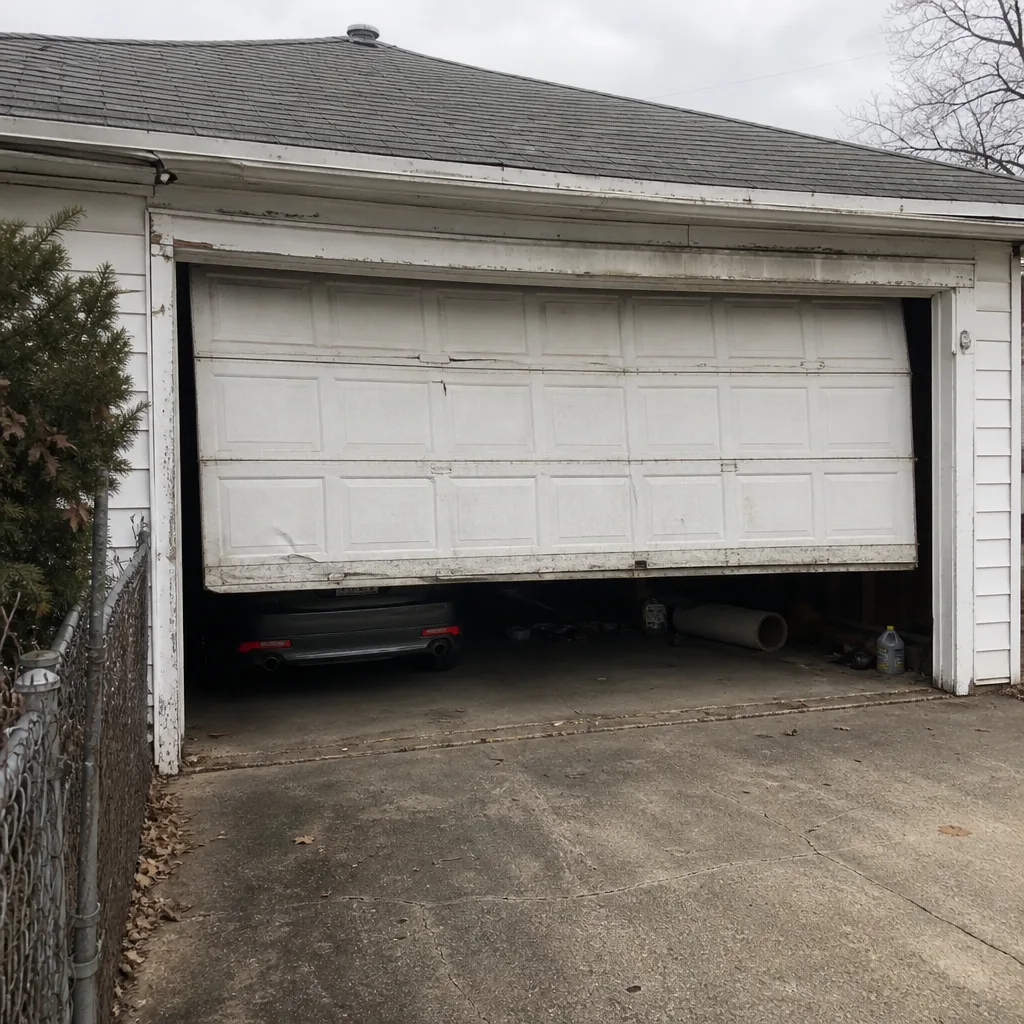 Before
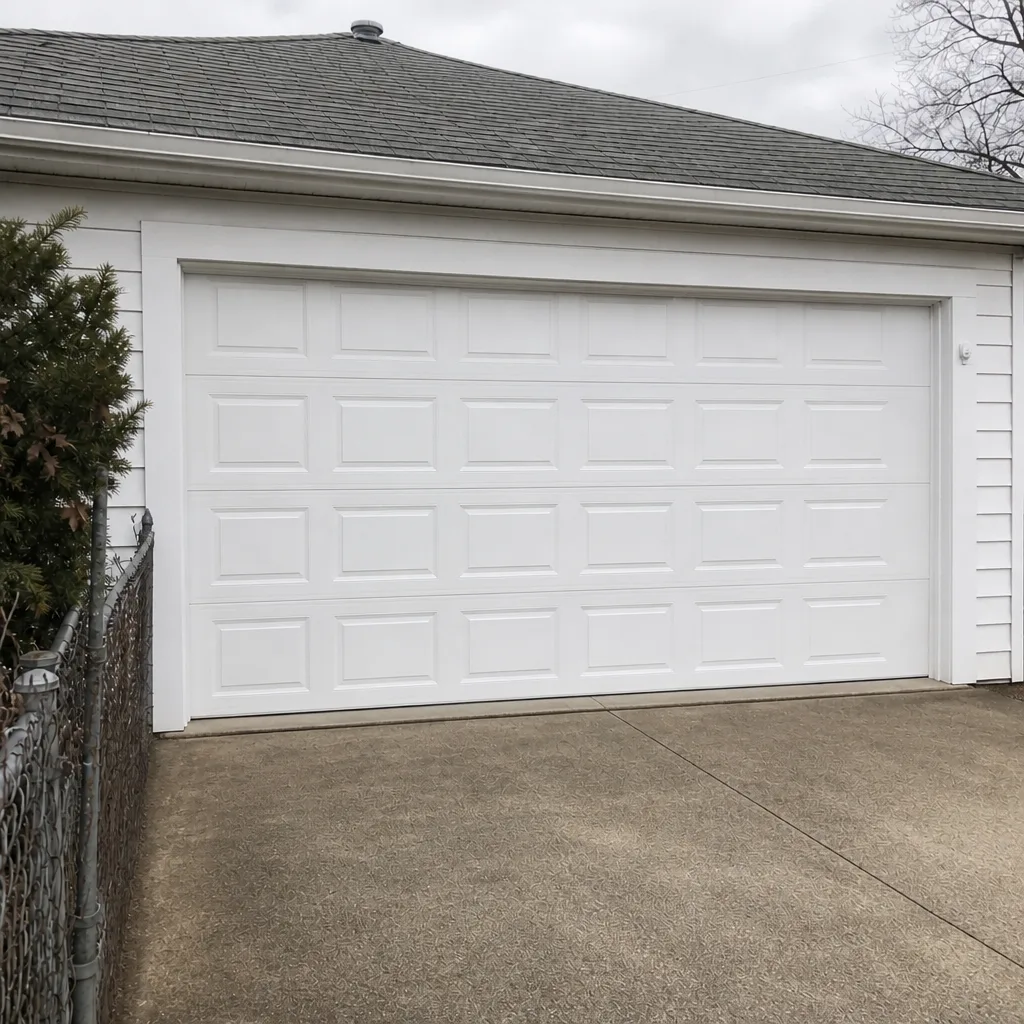 After
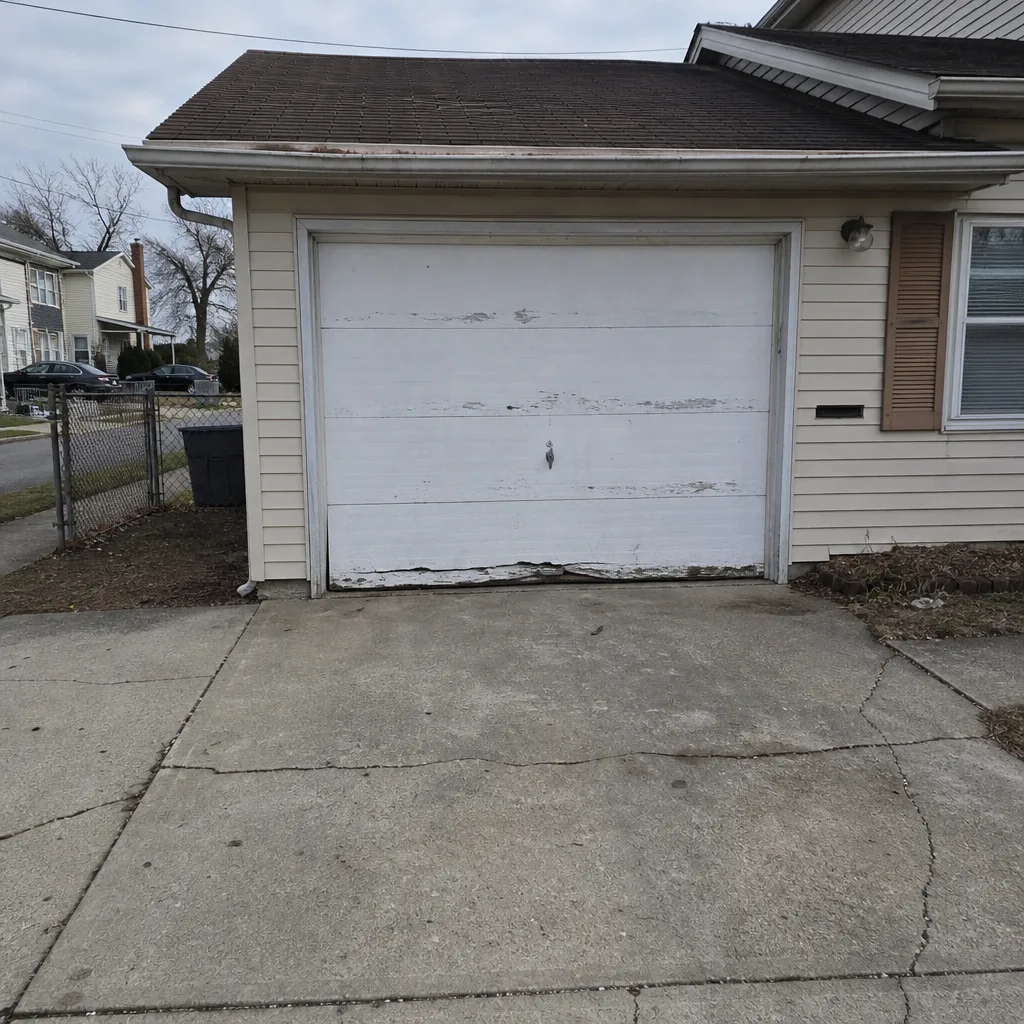 Before
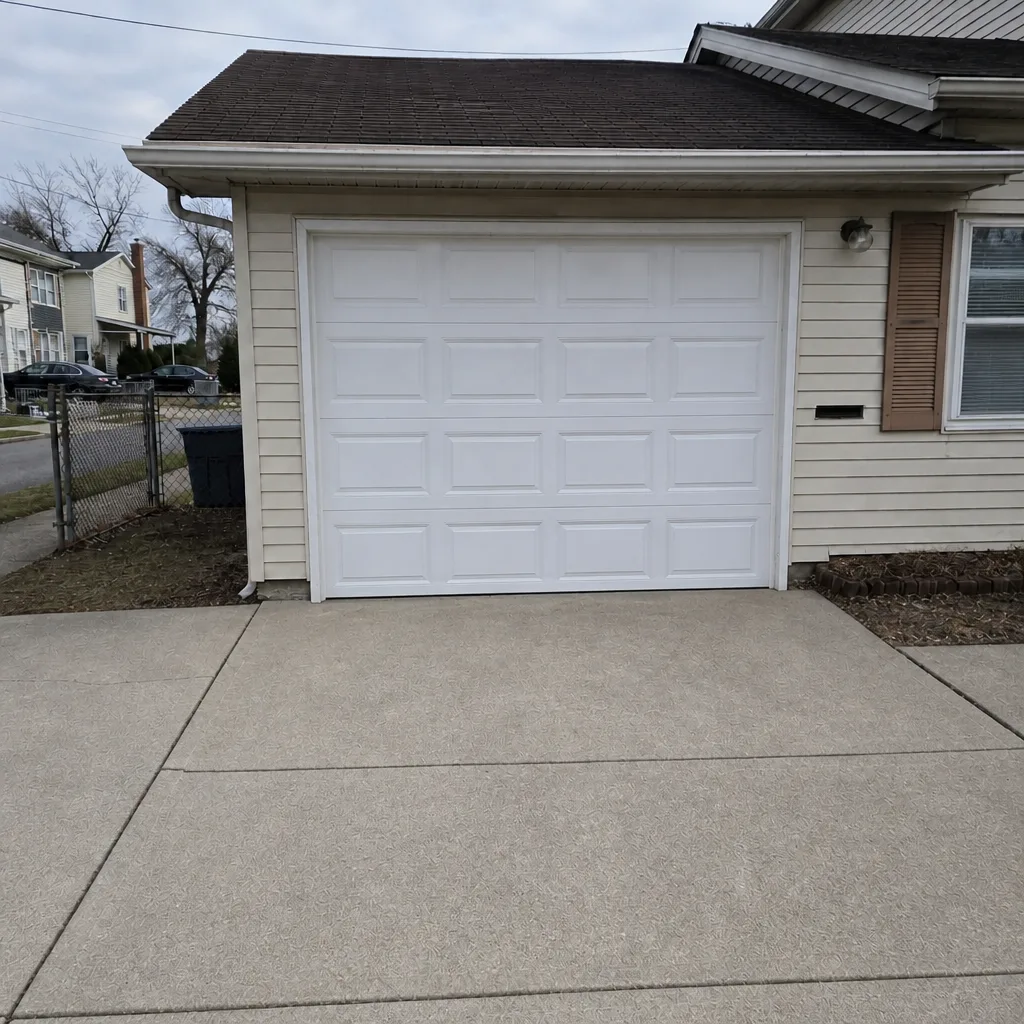 After
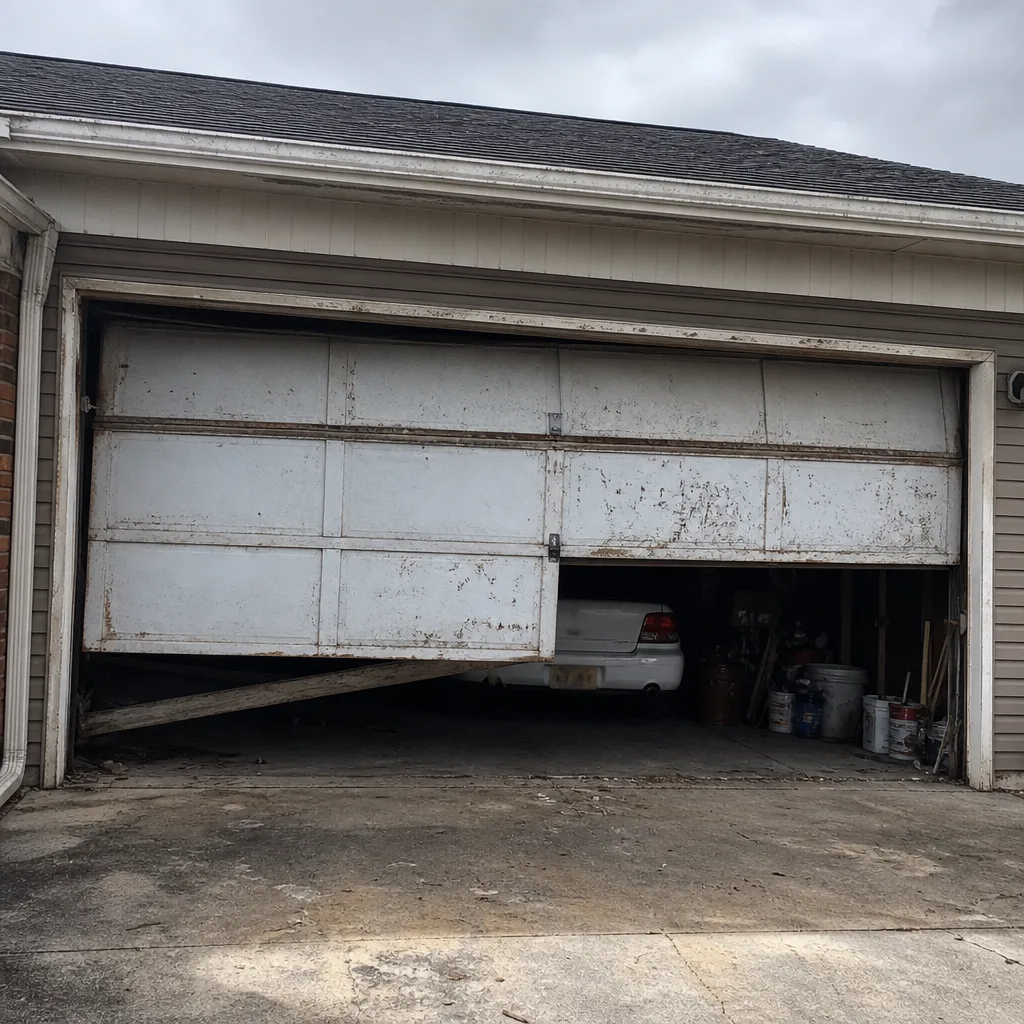 Before
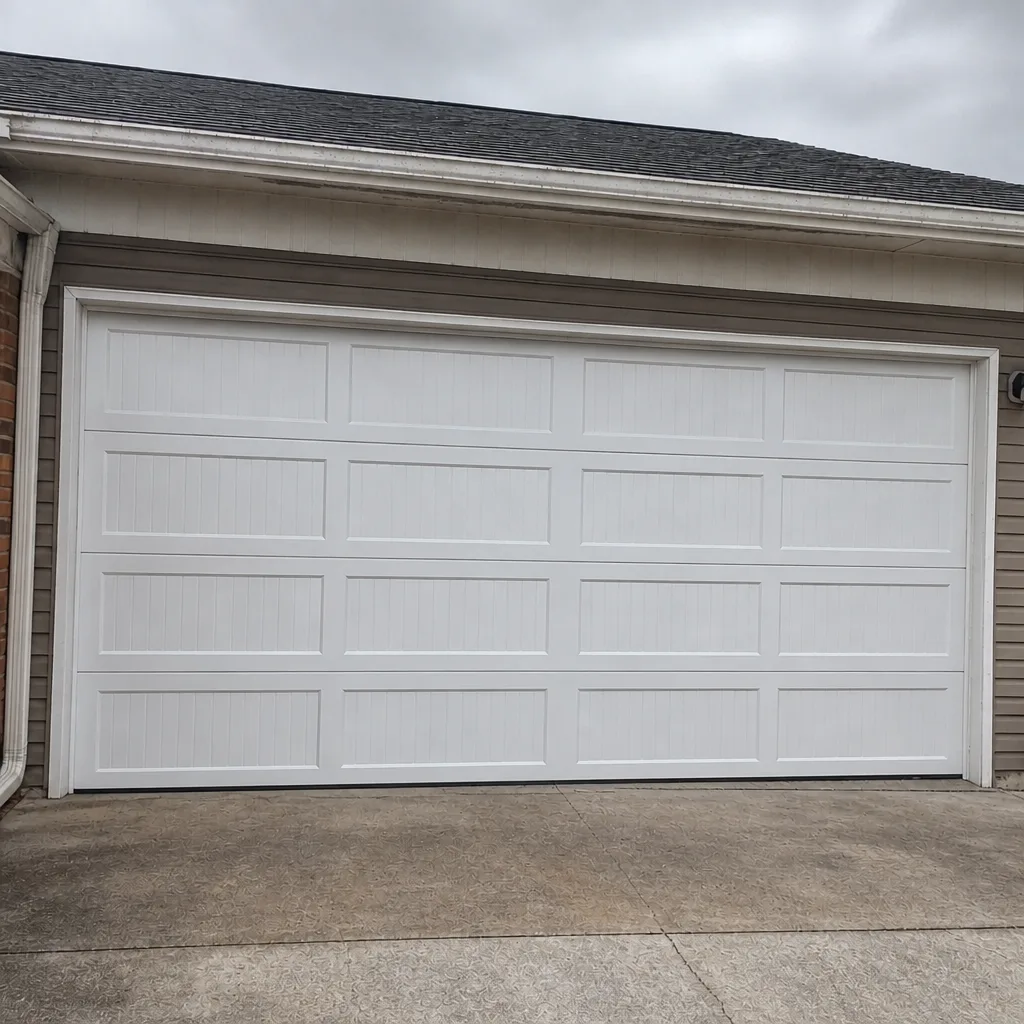 After