
Last updated November 23, 2026
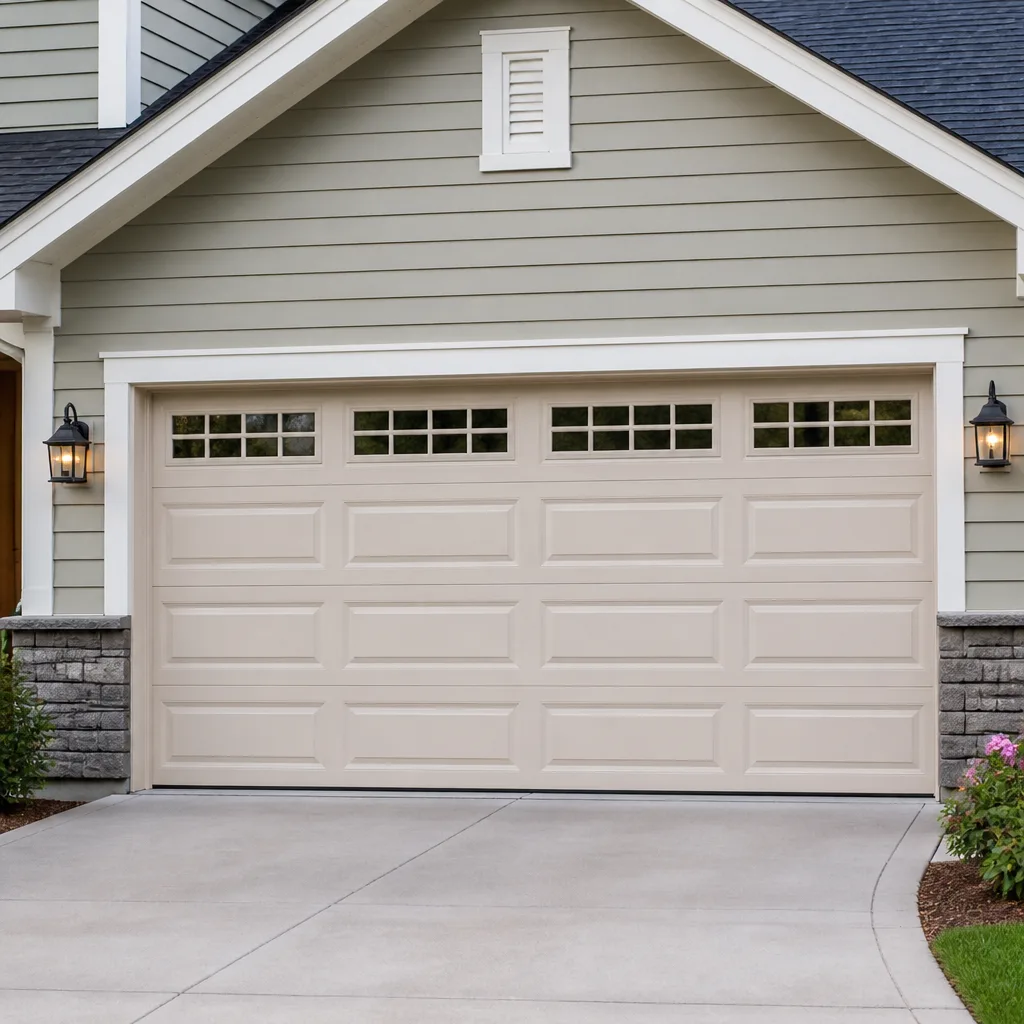 Raised-panel steel
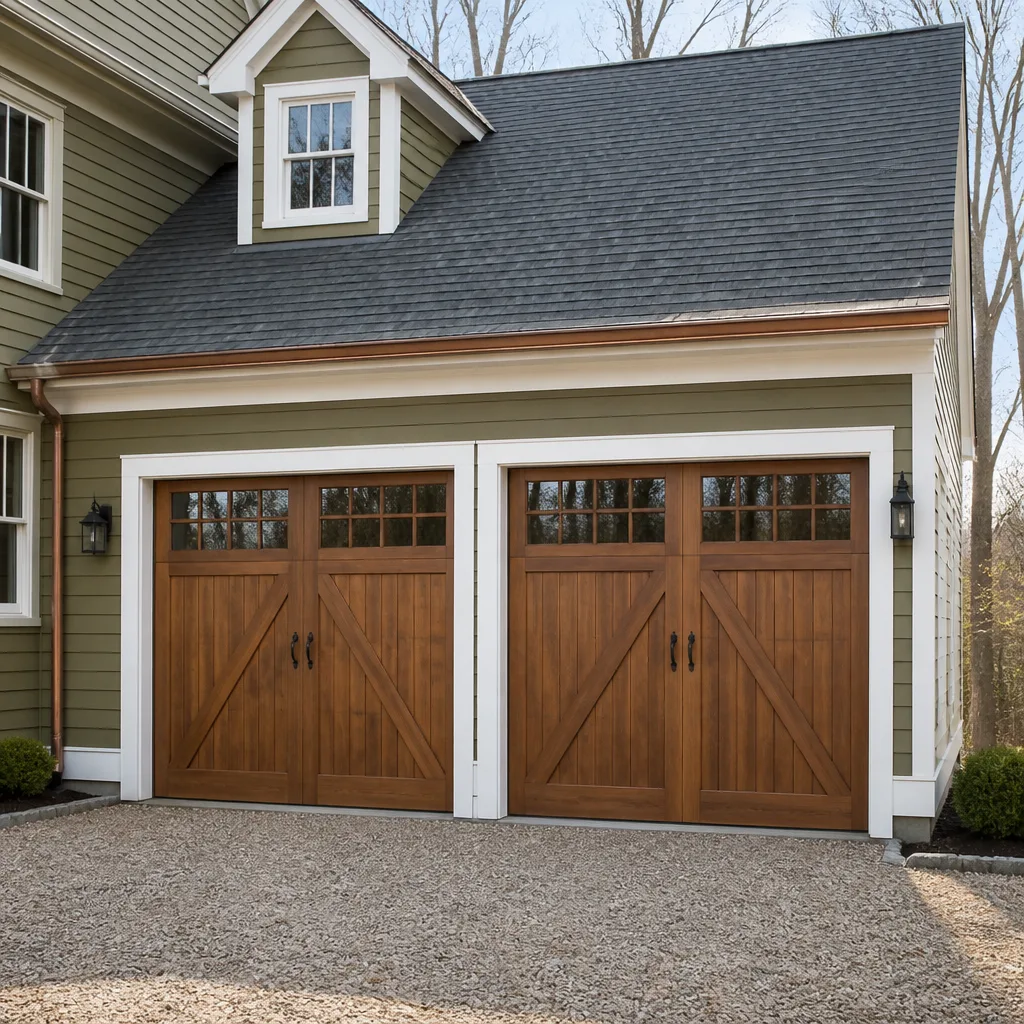 Carriage house
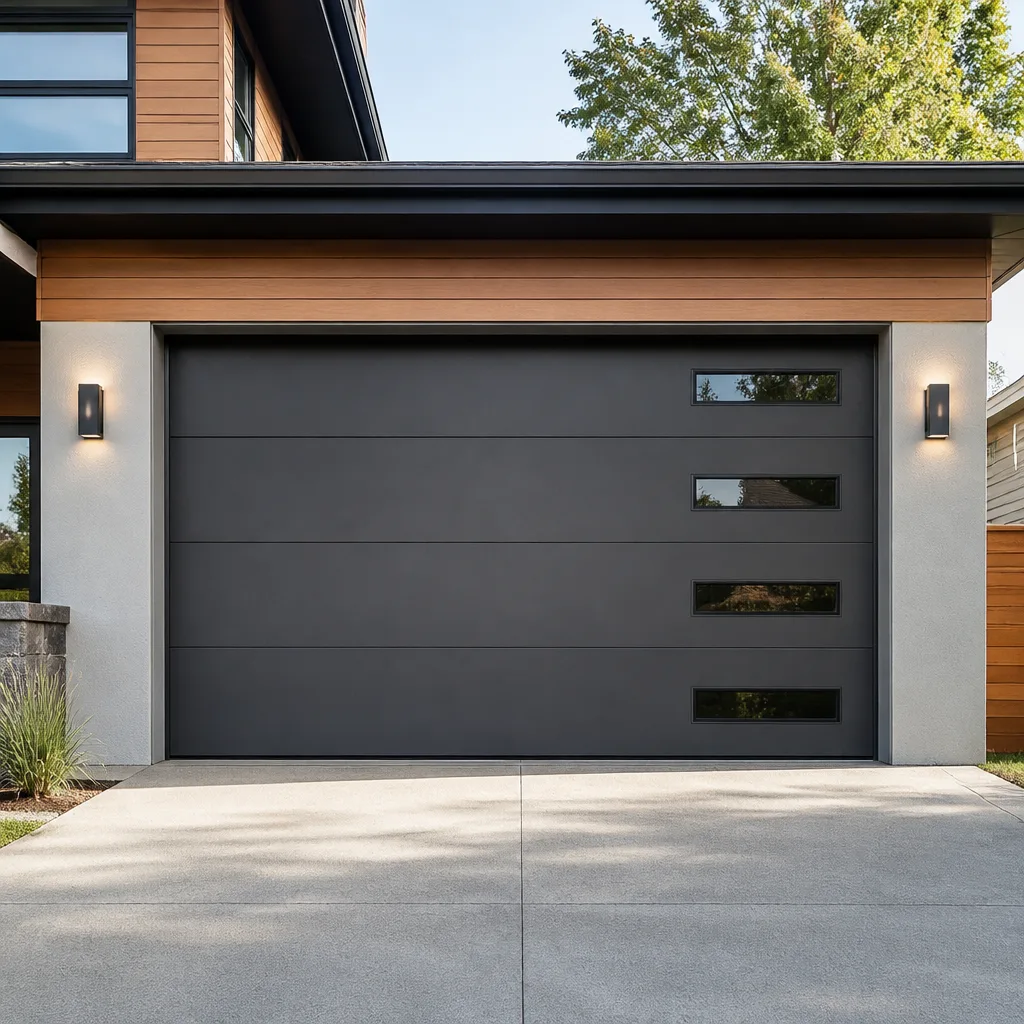 Modern flush
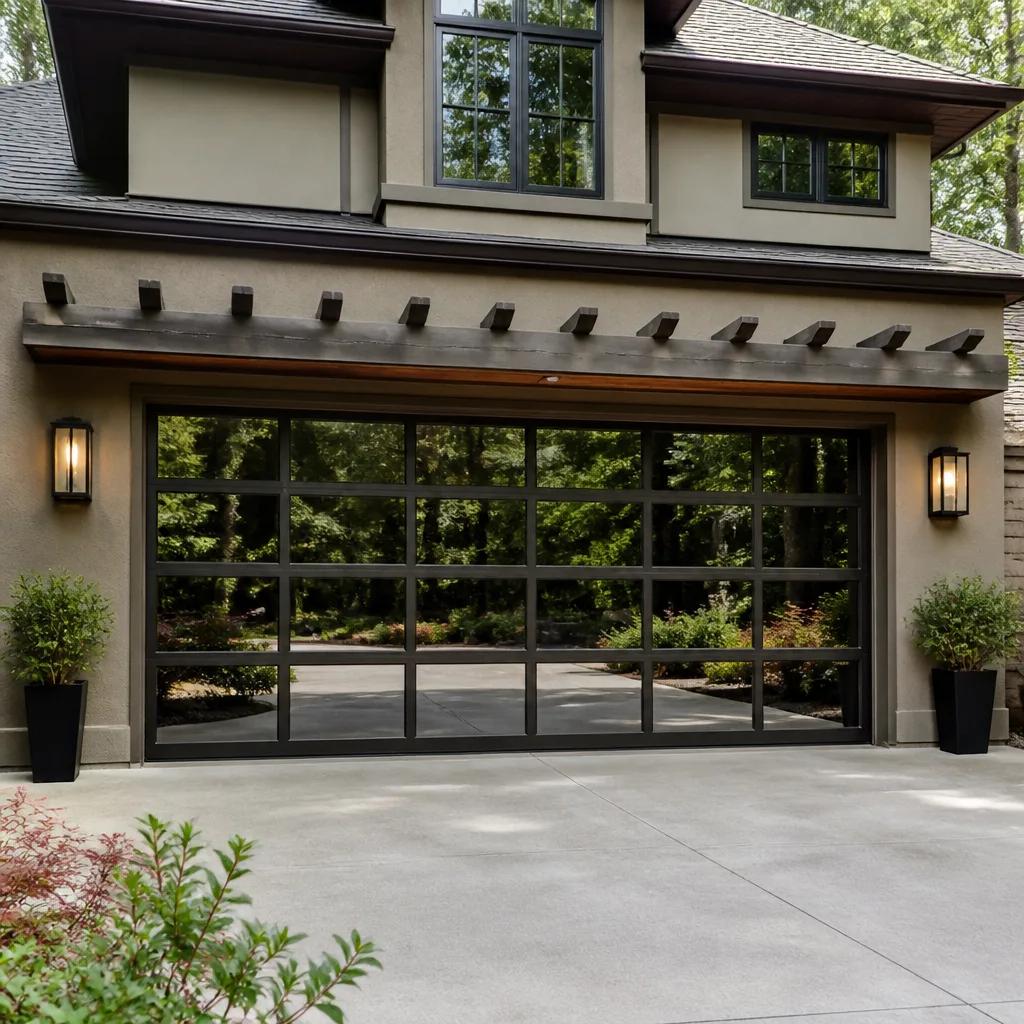 Full-view glass
 LiftMaster openers
 Chamberlain openers
Full 25-point door and opener safety check with every visit - springs, cables, rollers, tracks, and your LiftMaster or Chamberlain opener included
You get a price before we start. It does not change when the pro arrives.
Get your free estimateGarage Door Permits, Codes & Inspections in Atlantic City, NJ: What You Need to Know
Most Atlantic City homeowners assume a garage door replacement is simple maintenance and needs no paperwork at all. That assumption is where trouble starts. The truth is that whether you need a permit depends entirely on what’s being changed – swapping a panel or a spring is one thing, but altering the structure, the opening, or the door’s rated performance is another. This guide walks through the New Jersey Uniform Construction Code thresholds, what Atlantic City and Atlantic County actually require, how wind-load rules shape product choice here, and what happens during a home sale when a permit was never pulled. By the end you’ll know exactly which garage door projects in Atlantic City trigger a permit and which don’t.
Quick Answer
In Atlantic City, replacing a garage door in kind – same size opening, same rated wind-load performance, no structural change – is generally treated as maintenance and doesn’t require a permit. Projects that alter the opening, change the door’s structural attachment, or involve electrical work for a new opener often do require a permit through the local construction office. The only way to know for certain on your specific door is to confirm the scope with Atlantic City’s construction office before work begins.
Styles & brands we work with
- Raised-panel steel
- Carriage house
- Modern flush
- Full-view glass
- LiftMaster openers
- Chamberlain openers
Table of Contents
- What the NJ Uniform Construction Code Says About Garage Doors
- When a Garage Door Replacement Needs a Permit in Atlantic City
- Atlantic City & Atlantic County Permit Offices and Timelines
- Wind-Load Requirements and How They Shape Product Choice
- How Unpermitted Garage Door Work Surfaces During a Home Sale
- What a Garage Door Inspection Actually Checks
- How Working With a Knowledgeable Contractor Simplifies Permits
What the NJ Uniform Construction Code Says About Garage Doors
New Jersey regulates residential construction through the Uniform Construction Code, a statewide framework administered locally by each municipality’s construction office. The code classifies work into categories – maintenance, minor work, ordinary repairs, and full construction permits – and garage door work can fall into more than one depending on scope.
At its core, the code cares about two things when it comes to your garage door: structural integrity of the opening and the door’s rated performance against wind. A door that’s replaced with an identical unit at the same opening, using the same fasteners and same rated wind-load design pressure, is typically viewed as maintenance. A door that changes the size of the opening, adds or removes structural framing, or swaps in a door with a different performance rating crosses into permit territory.
Electrical work is a separate trigger. If you’re replacing an opener with a new unit wired into the home’s electrical system, or adding an outlet for a WiFi-enabled LiftMaster or Chamberlain opener, that falls under electrical code and usually needs its own permit or inspection, separate from the door itself.
The practical takeaway is scope, not product. Two Atlantic City homeowners on the same block can replace their garage doors and have completely different permit obligations. What you’re actually changing determines whether the code sees maintenance or construction.
When a Garage Door Replacement Needs a Permit in Atlantic City
Here’s how the thresholds shake out in practical terms. This is the section most homeowners want, and it’s also where the most confusion lives, because Atlantic City projects sit in a gray zone that depends on the details.
Typically exempt as maintenance
- Replacing a torsion spring, extension spring, or cable with a matching component
- Swapping individual door panels for matching replacement panels without altering the opening
- Replacing rollers, hinges, tracks, or weatherstripping
- Replacing a garage door opener with a same-capacity unit using existing wiring
- Replacing an entire door with an identical-size, identical-rated unit under certain interpretations – confirm with the construction office before assuming this
Typically requires a permit
- Enlarging or reducing the garage door opening
- Adding a new garage door opening to an existing wall
- Altering structural framing around the opening, including header work
- Installing a door with a different wind-load rating than the original, especially where it changes the design pressure assumption used for the home
- Adding electrical circuits or outlets for a new opener
- Any project that changes the door’s effect on the building envelope or structural loading
The best move before any full-door replacement in Atlantic City is a short call to the local construction office describing the exact scope. It takes five minutes and eliminates the guessing. We tell every customer the same thing: confirm before you buy, not after. If you’re still deciding on the door itself, Garage Door Repair Atlantic City is where to start the conversation.
Atlantic City & Atlantic County Permit Offices and Timelines
Atlantic City maintains its own construction office that issues residential permits, conducts inspections, and issues certificates of approval for work completed. Atlantic County also operates a county-level construction office that handles certain permitting functions, particularly for municipalities that don’t run their own. Which office handles your permit depends on where in the city the property sits and what the scope involves – and this is one area where a single phone call removes all ambiguity.
Typical residential turnaround in this part of New Jersey, based on standard municipal processing, runs:
- Simple residential permits (like an opener electrical permit): days to a couple of weeks, depending on backlog
- Structural permits (opening changes, new openings): longer, since plan review is typically required
- Inspections: scheduled after the permit is issued and the work is complete, with the initial inspection usually available within a week to two of the request
Timelines vary with season and office workload. Homeowners planning a full replacement should build the review time into their project calendar rather than assume a door can go in next week. This is one of the reasons we encourage people to talk through scope early – a project that needs a permit is a project you want to schedule with lead time, not on a Friday before a family event.
If your door is failing and you can’t wait on a permit cycle, the immediate issue is usually a component, not the door itself. That’s where garage door repair becomes the right call first, so the door is safe and operational while the longer project is planned.
Wind-Load Requirements and How They Shape Product Choice
Garage doors on homes in this area have to hold up to the wind loads the code assigns to their location and exposure. That rating is expressed as a design pressure, and every door manufacturer publishes the rating for their products across the size range they offer. When you replace a door, you’re not just picking a style. You’re picking a structural system that has to match what your opening was designed to handle.
This is where brand familiarity matters in a practical, not marketing, way. Clopay and Amarr both publish detailed wind-load ratings for their residential lines, including reinforcement options for higher design pressures. A technician who works with those spec sheets regularly can read the rating off a replacement door and tell you in a minute whether it matches the original. A generalist can’t, and that’s where replacement projects go sideways.
Three things drive the wind-load discussion for Atlantic City homes:
- Exposure category – how open the site is to wind, based on surrounding terrain and building height
- Door size – wider doors need more reinforcement to hit the same rating
- Reinforcement – struts, heavier gauge tracks, and upgraded hinges all change the rated performance
If you’re replacing a door and your homeowner’s insurance has a stated design pressure requirement, that requirement should be in your hands before you buy. Insurers increasingly ask for documentation of the door’s rating, and an unrated or under-rated door is the kind of detail that surfaces during a claim.
How Unpermitted Garage Door Work Surfaces During a Home Sale
Here’s the part of this topic most homeowners never hear until they’re already selling. When a house in Atlantic City goes on the market, three things happen that can surface unpermitted garage door work.
First, the municipal construction office runs a permit history search as part of the standard certificate of continued occupancy or smoke certificate process, depending on what the buyer’s attorney requests. Any open permits, or any work that should have had a permit and didn’t, can appear on that search.
Second, the home inspection looks at the garage door as an operating system. A licensed home inspector will cycle the door, check the balance, test the safety reverse, and look at the spring and cabling. An improperly installed door shows up here in ways that a casual buyer wouldn’t notice but a trained inspector will.
Third, the buyer’s attorney reviews the disclosure statement and the permit history before closing. If the door was replaced with an under-rated unit relative to the home’s design pressure, that becomes a negotiation item. It can delay the closing by weeks while the seller produces documentation or pulls a retroactive permit.
The practical fix is simple. If a garage door replacement was done without a permit and the door was a full replacement of rated equipment, the seller should expect to address it before closing. If you’re planning the replacement now, do the permit question up front. It’s cheaper than doing it twice, and it removes a class of surprise from a future sale.
What a Garage Door Inspection Actually Checks
A garage door inspection is a specific set of checks, and knowing them helps you understand what the inspector is looking at and what might come back to you as a follow-up item.
- Balance test – the door is run to the half-open position and released. A properly balanced door stays where it’s put. One that drops or rises indicates a spring problem.
- Safety reverse – the door is tested against a physical obstruction to confirm the opener reverses on contact. Non-functional reverse is a genuine safety issue, especially in homes with small children.
- Spring and cable condition – springs are checked for wear, sag, and visible damage. Cables are checked for fraying and proper spooling on the drum.
- Track alignment and hardware – tracks are checked for bends, misalignment, or loose fasteners. Hinges and rollers are inspected for wear.
- Panel condition – panels are checked for dents, cracks, or separation, which affect both appearance and, in rated doors, performance.
- Weather seal and threshold – the bottom seal and the threshold are checked for gaps that let water or air through.
- Fasteners and mounting – the door’s attachment to the framing is checked for integrity, which is where improper installation of a rated door becomes visible.
- Opener condition – the opener’s force settings, rail alignment, and (for smart units like a LiftMaster or Genie) WiFi connectivity and app function are checked if the homeowner uses them.
Our technicians check these same points on every service visit, whether or not an inspection is scheduled. When a spring is failing, we catch it. When a safety reverse is off, we set it. Spring work is one of the highest-consequence jobs in this trade, and we treat garage door spring repair as a dedicated service rather than a job bolted onto a general handyman visit.
How Working With a Knowledgeable Contractor Simplifies Permits
Working with a specialist who’s done this paperwork before saves you two kinds of time: the time you’d spend learning the process yourself, and the time you’d spend redoing a project that never had the right approval.
Here’s what a knowledgeable contractor does differently on a permit-relevant project:
- Reads the scope and can tell you within minutes whether the project is maintenance or construction
- Knows which doors carry the wind-load ratings that match your opening, and can document it
- Coordinates the electrical permit for a new opener with the door permit so the two don’t delay each other
- Builds the review time into the schedule, so a full replacement doesn’t become a rush job
- Files the paperwork under the correct address and scope, which matters for the eventual permit history search
This is also where brand familiarity earns its keep. We work with Clopay and Amarr regularly, which means we know the rated performance of the doors we install without going back to the manufacturer’s site mid-project. When a customer wants a specific look – carriage style, raised panel, full-view – we can usually find a rated option in that style from the manufacturer’s catalog rather than making a compromise between the look and the rating.
If your opener is the thing that’s failing rather than the door, that’s often a simpler path than you expect. Opener issues sit outside the door permit question in most cases, and garage door opener repair is the right starting point.
Common Mistakes to Avoid
- Assuming “I’m just replacing the door” is always exempt. Same-size, same-rated replacement is often treated as maintenance, but “same size” is not the same as “same performance.” Confirm the scope before you buy.
- Buying the door before checking the design pressure. A door with a lower wind-load rating than your opening requires is an insurance problem waiting to happen. Get the rating requirement first, then shop.
- Skipping the electrical permit on a new opener. The door’s permit and the opener’s electrical permit are separate. Homeowners routinely miss the second one.
- Trusting a big-box installer to sort the permit question. Retail installation crews are focused on the install, not the local construction office. Their paperwork is not your paperwork.
- Not keeping the documentation. When you sell, the buyer’s attorney will ask. Keep the permit, the inspection sign-off, and the door’s spec sheet together in your home file.
- Scheduling a full replacement without lead time. Permit review adds days to weeks. A replacement scheduled for next weekend is a replacement that either doesn’t get a permit or doesn’t happen.
- Assuming an inspection covers everything. A home inspector checks the door as a component of the house, not as a rated structural system. If the door has a design rating requirement, that check is separate.
See the difference
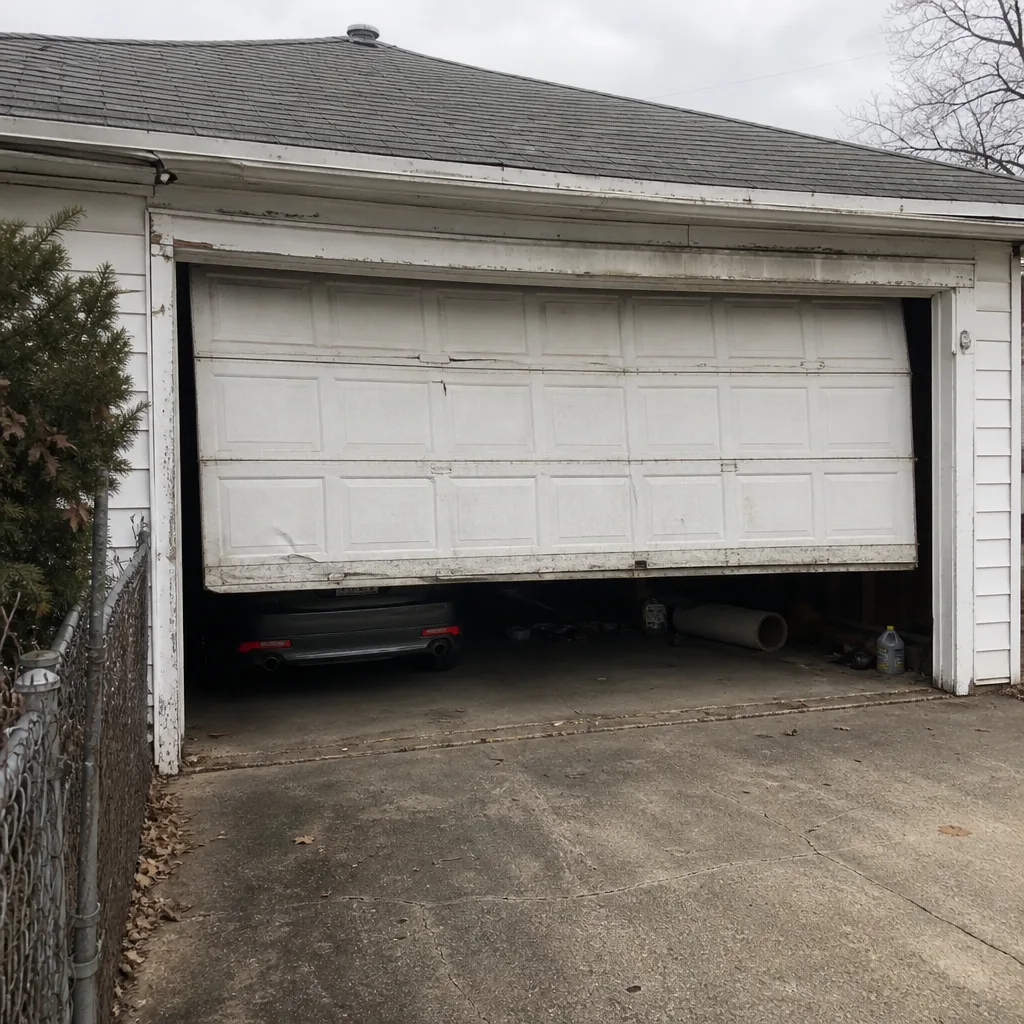 Before
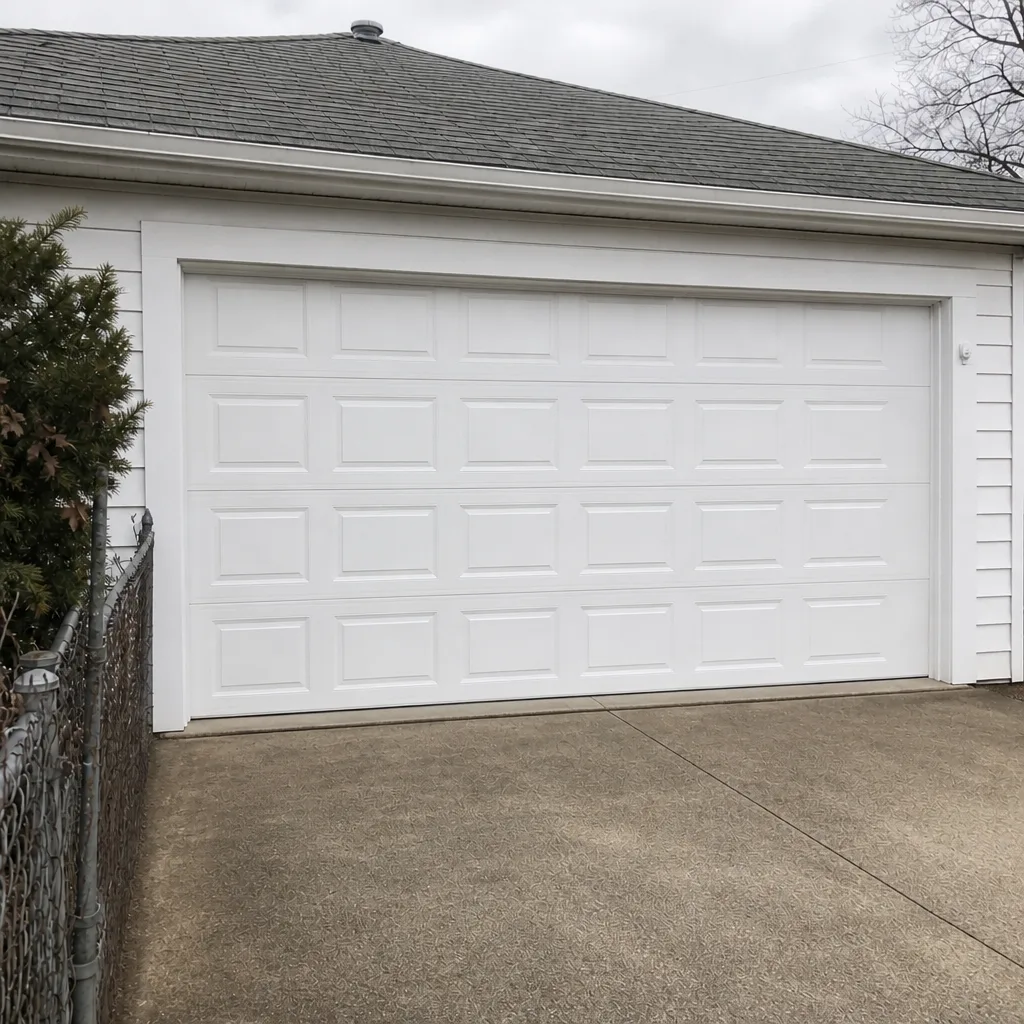 After
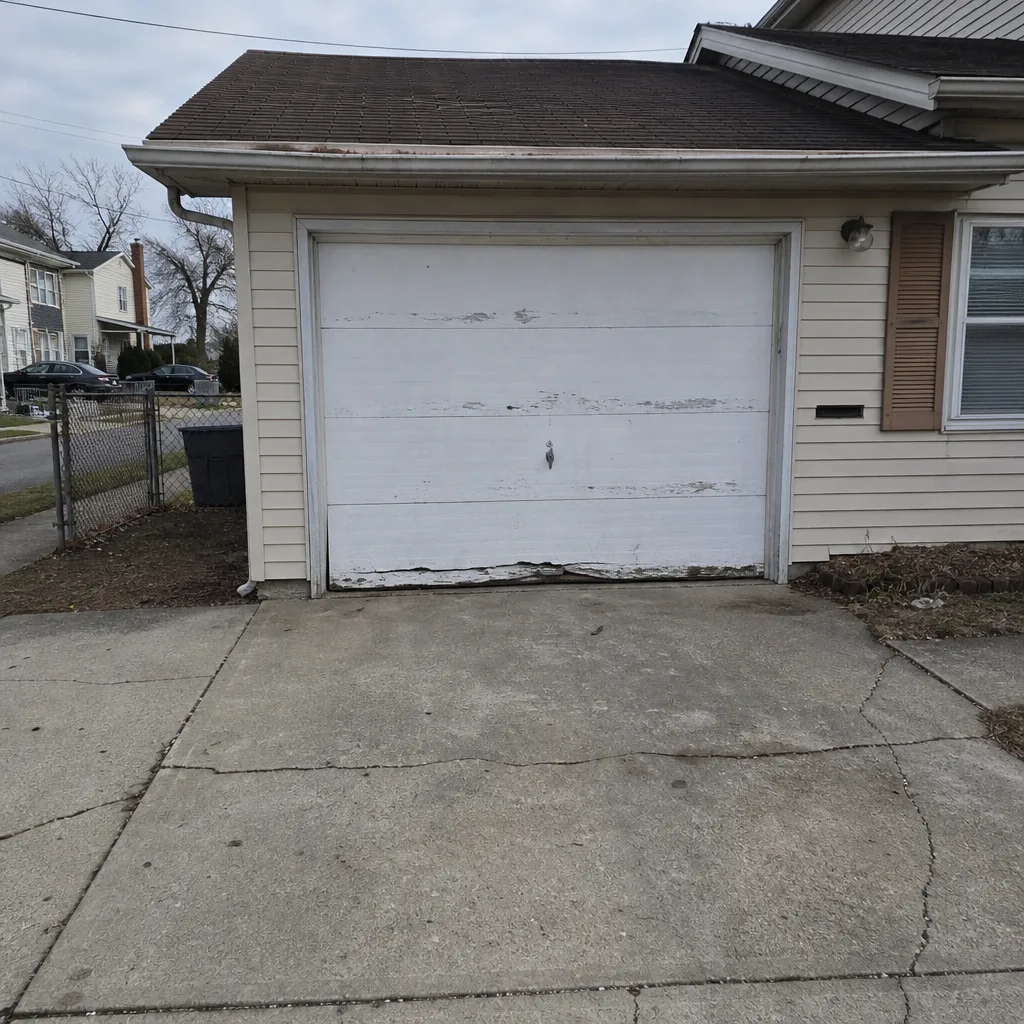 Before
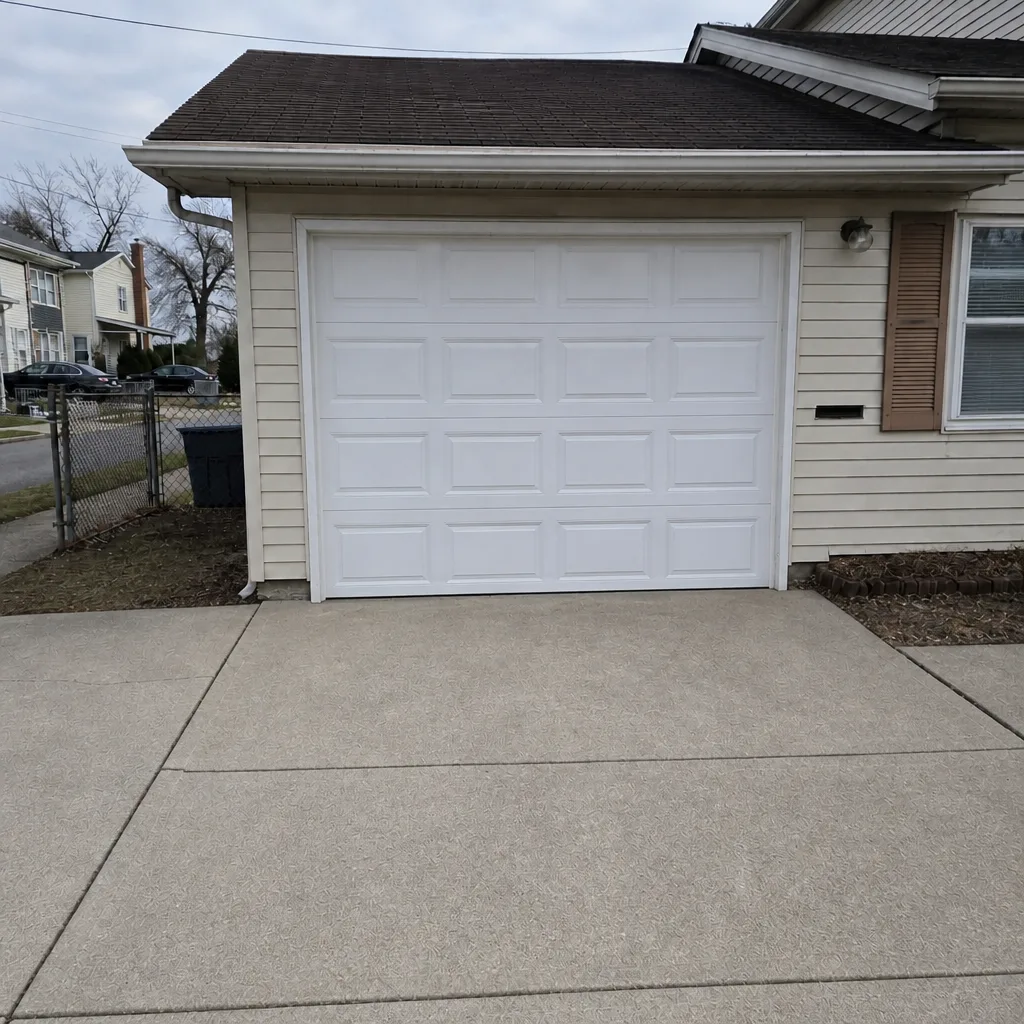 After
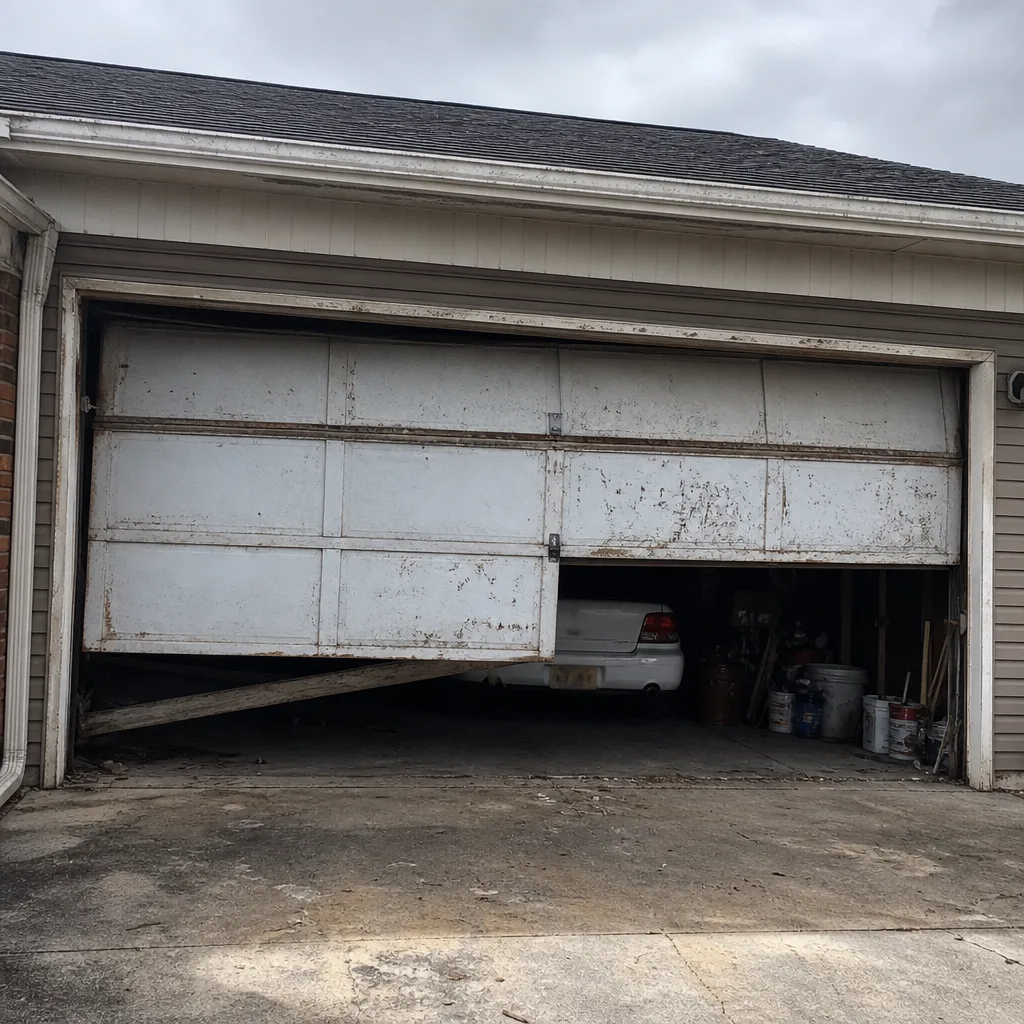 Before
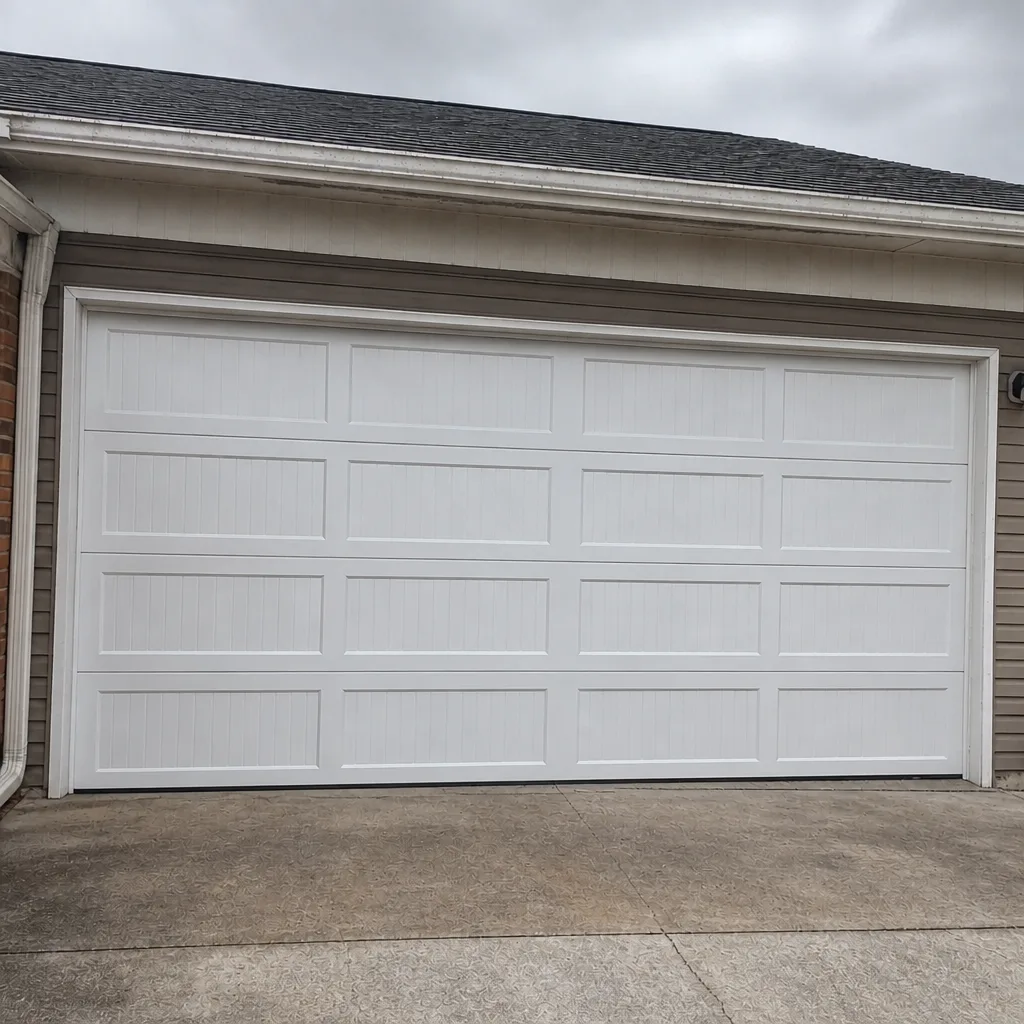 After
When to Call a Professional
Call a professional garage door specialist when the door isn’t balancing, when a spring has broken or is visibly sagging, when the opener reverses on obstruction improperly or not at all, when the door won’t close fully, when panels or tracks are damaged, or when you’re planning a full replacement and want the wind-load rating handled correctly. Also call when you’re not sure whether your project needs a permit – the answer takes a few minutes to sort out and it’s worth getting right before the door is ordered. Our technicians have up to 13 years of experience, and we work on the actual components of your existing system regardless of brand. Garage Door Repair Atlantic City offers free estimates in Atlantic City. Call (877) 696-4577. We answer 24/7. Fast dispatch from 7am to 7pm, Sunday through Friday.
Frequently Asked Questions
It depends on scope. A same-size, same-rated replacement with no structural or electrical change is generally treated as maintenance, while projects that alter the opening, change the door’s wind-load rating, or add electrical work usually require a permit. Confirm with Atlantic City’s construction office before ordering the door. If you’re unsure which category your project falls into, call (877) 696-4577 and we’ll walk through the scope with you.
Simple residential permits typically take days to a couple of weeks, while structural permits that need plan review take longer. Timelines move with office workload and the season. Build the review time into your project calendar before scheduling the installation. If you want to talk through scheduling options, call (877) 696-4577 – estimates are free.
The rating depends on your specific opening, size, exposure, and any design pressure your insurer has on file. There’s no single number that applies to every Atlantic City home. Door manufacturers like Clopay and Amarr publish the rated performance of their products, and a technician who works with those specs can match a replacement door to your opening. Call (877) 696-4577 for help reading your requirement.
Not automatically, but it can slow the sale. Buyer’s attorneys and municipal permit history searches can surface unpermitted work, and an under-rated door can become a negotiation item at closing. Addressing the permit before listing is cheaper and removes the surprise. If you’re preparing to sell and need the door repaired first, call (877) 696-4577.
Electrical work usually does. A new opener wired into the home’s electrical system, or a new outlet added for a WiFi-enabled unit, typically needs its own electrical permit separate from the door. Same-capacity replacement using existing wiring often doesn’t, but confirm with the construction office. We can talk through the specifics – call (877) 696-4577.
You’ll get a list of items to correct, and the work is reinspected after correction. Common items are a non-functioning safety reverse, an unbalanced door, or missing documentation on the door’s rating. A specialist can usually correct the items in a single visit. Call (877) 696-4577 for an estimate.
The Bottom Line
The permit question for a garage door in Atlantic City comes down to scope. Same door, same rating, same opening: usually maintenance. Different opening, different rating, structural or electrical change: usually a permit. The wind-load rating matters separately because it needs to match what your home was designed for, and it’s the detail most likely to matter during a sale or an insurance claim. Sort out the rating and the permit together, before the door is ordered, and keep the paperwork. If any of this is unclear on your door, call (877) 696-4577. We answer 24/7. Fast dispatch from 7am to 7pm, Sunday through Friday. Estimates are free.
Written by the team at Garage Door Repair Atlantic City.