
Last updated November 23, 2026
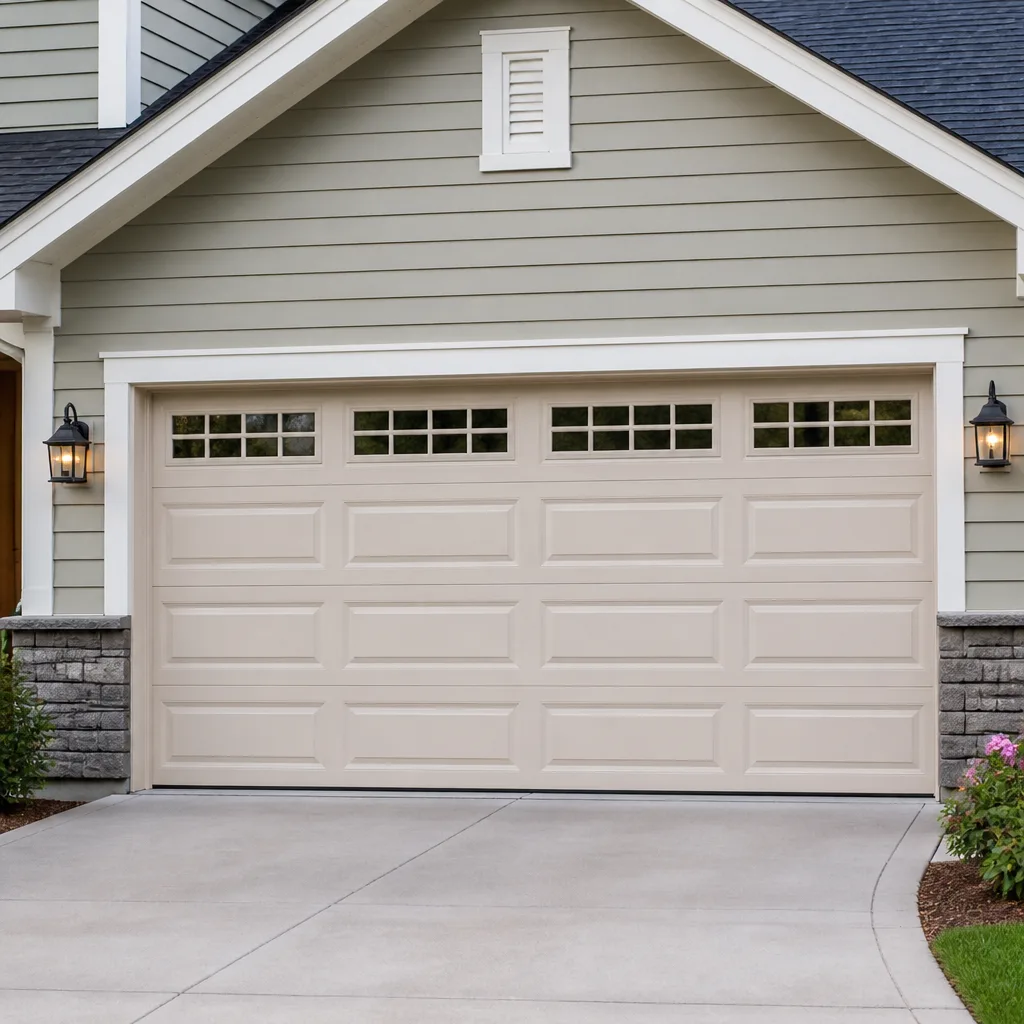 Raised-panel steel
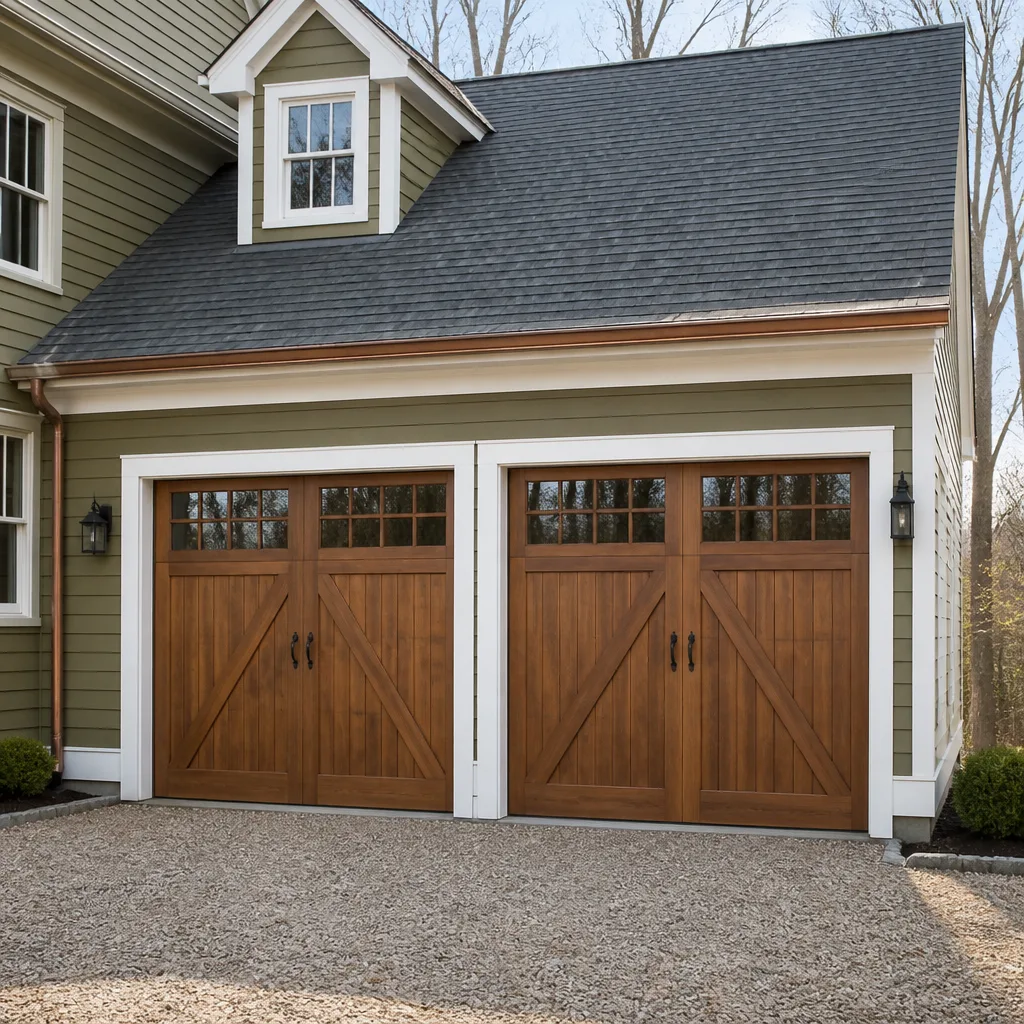 Carriage house
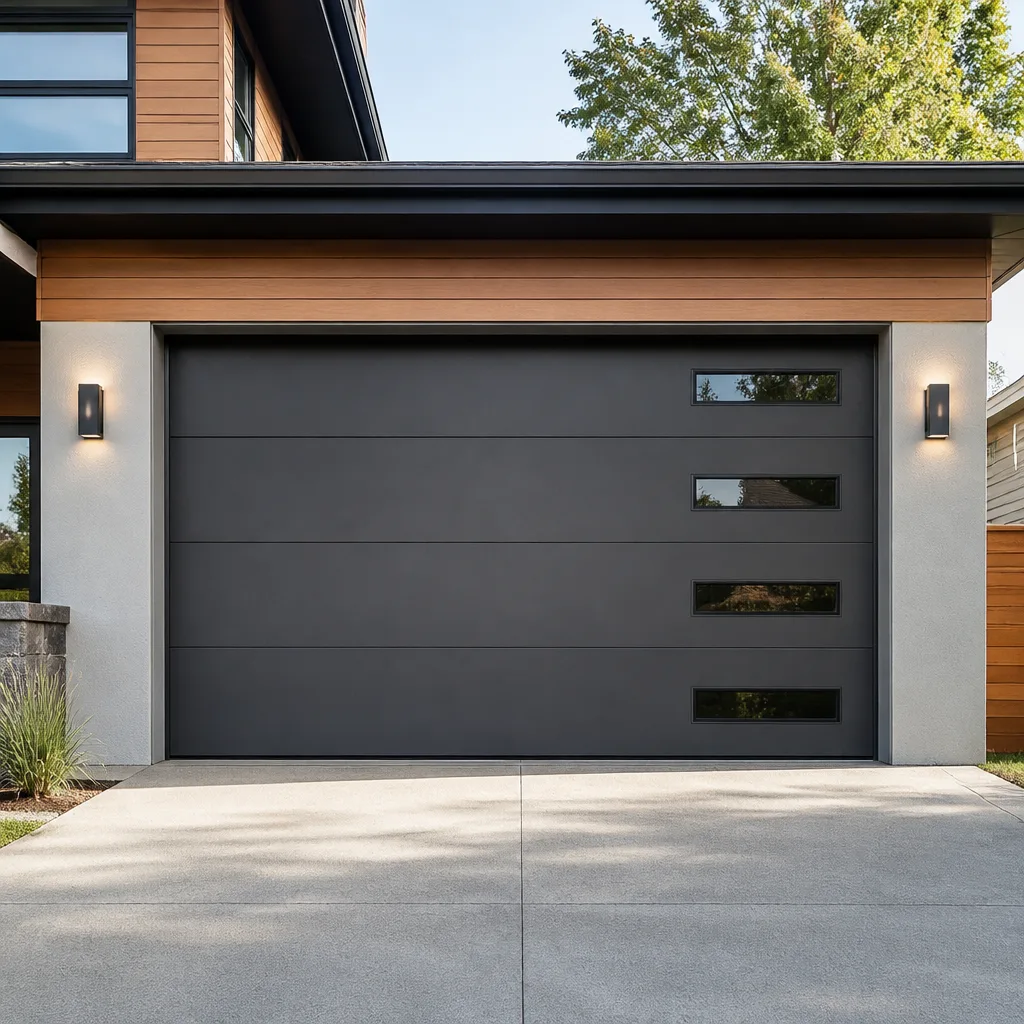 Modern flush
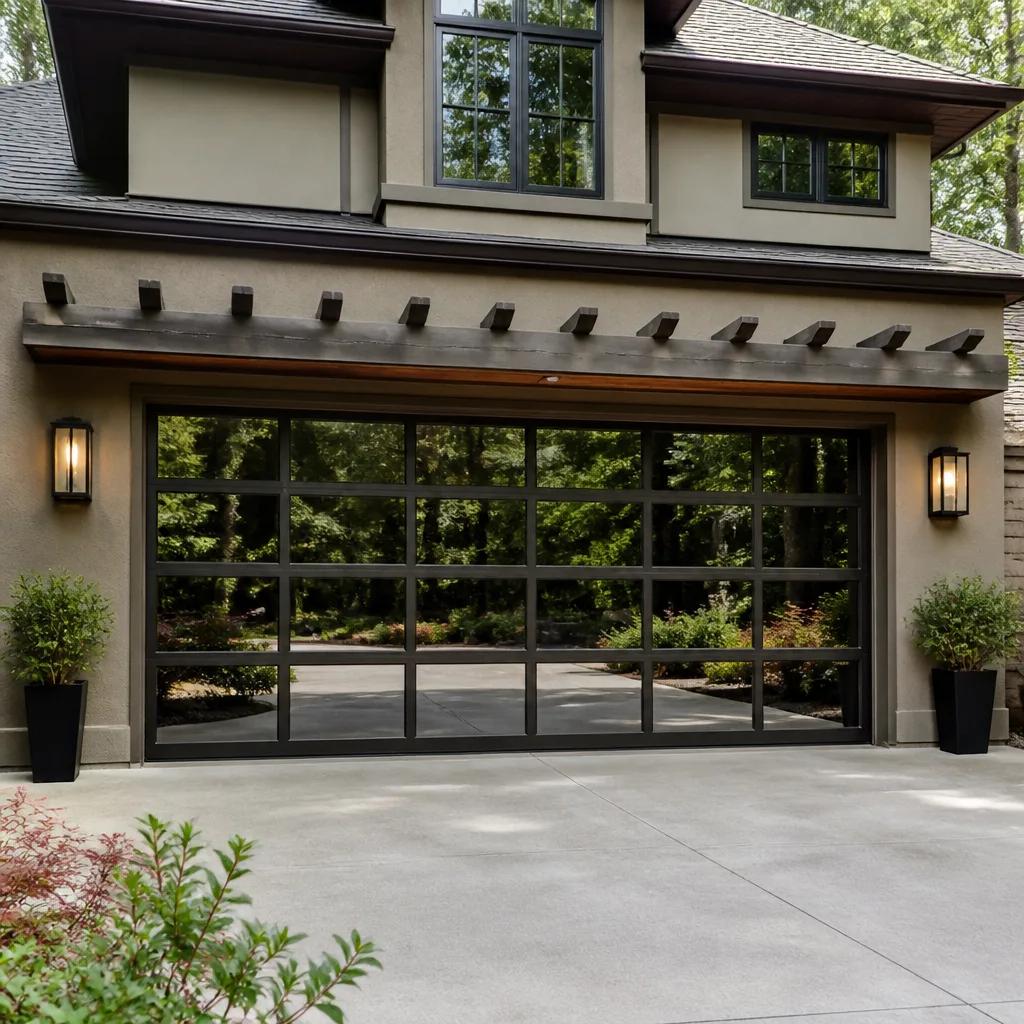 Full-view glass
 LiftMaster openers
 Chamberlain openers
Full 25-point door and opener safety check with every visit - springs, cables, rollers, tracks, and your LiftMaster or Chamberlain opener included
You get a price before we start. It does not change when the pro arrives.
Get your free estimateGarage Door Warning Signs: An Atlantic City Homeowner’s Reference Guide
A grinding noise when the door opens isn’t just “the door being loud.” It’s a specific sound with a specific cause, and that cause has a repair window before it becomes a full replacement. The same holds for a popping spring, a squealing roller, or a door that jerks on the way up. Most garage door failures announce themselves early, and the homeowner who knows what to listen for can book a repair instead of an emergency. This reference guide decodes the sounds, movements, and visual signals an Atlantic City garage door gives off, and maps each one to the part or system it points to.
Quick Answer
The most important garage door warning signs are grinding or scraping during travel (worn rollers or a misaligned track), a loud pop followed by a door that won’t lift (broken torsion or extension spring), jerking or uneven movement (cable or spring imbalance), and doors that reverse before closing (opener sensor or force-setting trouble). A grinding or popping noise means call a specialist now. A single pop with the door stuck down is an emergency. Catching any of these early is the difference between a component repair and a full system replacement.
Styles & brands we work with
- Raised-panel steel
- Carriage house
- Modern flush
- Full-view glass
- LiftMaster openers
- Chamberlain openers
Table of Contents
- The Noise-to-Cause Index: What Each Sound Tells You
- Visual Warning Signs: Springs, Cables, and Tracks
- Movement Abnormalities Decoded
- Signs With a Grace Period vs. Signs That Mean Stop
- Reading Warnings on Your Brand’s System
- How to Describe Symptoms So Diagnosis Happens on the Phone
- A Simple Monthly Walk-Around
- Safety: Why You Shouldn’t Investigate a Spring Yourself
The Noise-to-Cause Index: What Each Sound Tells You
Garage doors make noise by design. A healthy door moving on its tracks has a low, steady hum. What you’re listening for is any sound that’s sharper, rhythmic, or new. Those are the sounds that carry diagnostic weight.
- Grinding: Metal-on-metal contact. Usually worn steel rollers that have lost their bearings, or a slightly bent track the roller is scraping against. Grinding tends to worsen over weeks and can score the track, so it’s worth garage door repair sooner rather than later.
- Scraping: A flat, dragging scrape suggests a track out of alignment or a panel rubbing the jamb. If it started after a knock to the door, suspect the track first.
- Popping: A single sharp pop is the signature of a torsion spring snapping. A series of smaller pops can mean a spring winding down or a loose cable drum. A pop followed by a door that won’t lift is a broken spring.
- Squealing: High-pitched squeal usually means dry or worn rollers and hinges. This is the most forgiving of the four sounds and the easiest to fix before it causes wear.
- Rattling: Loose hardware, hinges, or bolts vibrating under load. It’s rarely urgent but it accelerates wear on every connection point.
In our experience across Atlantic City garages, the sound customers report most often as “it just started getting loud” traces back to rollers and hinge wear, not the opener. That distinction matters, because roller and hinge replacement is a shorter job than an opener replacement, and catching it from the grinding stage inside the repair window keeps it that way.
Visual Warning Signs: Springs, Cables, and Tracks
Not every warning sign makes noise. Some of the most important ones are visible when you look at the hardware with a flashlight, and they tell you how much life is left in a component before it fails.
- Rust streaking on springs: Brownish streaking along a torsion or extension spring shows where moisture has been sitting. A rusted spring is a fatigued spring, and fatigue is what precedes a break. Streaking that has spread the length of the coil is a strong signal to have it assessed.
- White mineral deposits on tracks: Chalky white buildup where the track meets the floor or along the rail points to moisture and airborne minerals settling on the metal. Left alone, it roughs up the track and drags on the rollers, which is what turns into the grinding noise above.
- Cable discoloration: Garage door cables are braided steel under high tension. When a cable has been stressed, it can look duller, frayed at the drum, or thinner in one section. A frayed cable is a stop-using-the-door sign, not a keep-an-eye-on-it sign.
- Bent or separated track: Stand inside and sight along each vertical track. A bend or a gap between track sections is usually visible even without a level. Rollers running against a bent track wear fast and can jump it.
- Door panel cracks or sag: A wood or composite panel that has cracked near a hinge or bowed in the middle changes how the door balances. Panel damage on a garage door repair call often turns out to be the root cause of a door that closes unevenly.
Movement Abnormalities Decoded
Watch the door through one full open and close cycle. Movement is the clearest read on balance and force, and abnormal movement maps to a specific cause almost every time.
- Uneven lifting (one side rises ahead of the other): Cable or spring imbalance. One torsion spring or one extension spring is doing more of the work than the other. Left alone, this loads the door panels and the opener unevenly.
- Jerking or stalling partway up: A worn or misaligned roller, a track with a rough spot, or an opener force setting that’s hit its limit because of drag. If the door jerks at the same point every time, the cause is mechanical and physical, not the opener.
- Slow descent or a door that slams at the bottom: Springs that have lost tension, or an opener’s travel and force settings out of adjustment. Slow descent combined with a hard landing usually means both.
- Reversing before it closes: The safety sensors are the usual suspect. Check for an obstruction in the sensor beam or a misaligned sensor lens before assuming the opener is failing. On smart openers from LiftMaster or Chamberlain, the app often logs the reversal count, which is a useful clue.
- Door won’t stay down or opens on its own: A limit switch setting, a sensor reflection, or a weakening spring on the open side. On a mixed brand setup, this is where a technician who knows your exact system saves time.
- Loud bang at the top of travel: The opener carriage is hitting the stop point with too much force. It shortens the life of the opener and the door hardware together.
Uneven lifting and jerking aren’t just cosmetic. They’re the two signals most commonly followed by a spring break, so treat them as a warning that the door’s support system is already working harder than it should.
Signs With a Grace Period vs. Signs That Mean Stop Using the Door Now
Some warnings give you a few days. Others don’t. Knowing which is which protects your door, your car, and anyone standing underneath it.
Signs with a grace period (days, not months):
- Squealing or rattling that gets louder but doesn’t change the door’s travel
- Mild grinding from rollers, with the door still lifting smoothly
- White mineral deposits on tracks with no visible binding
- Slow opener response that isn’t accompanied by jerking
Signs that mean stop using the door now:
- A loud pop, then a door that won’t lift or won’t stay up: broken spring
- Visible fraying or coiling at a cable drum, or a slack cable: stop, the cable can snap
- Uneven travel with a sagging or separating panel
- A door that reverses on every attempt and still reverses once you’ve cleared the sensor area
- Any sign of a bent track the door has already jumped
For the stop-now list, this is exactly where garage door repair becomes a safety call, not a convenience call. Spring repair is the most dangerous and technically demanding repair on any garage door, and it isn’t something to investigate with a ladder. When the door needs to come down on Sunday, we answer every call at Garage Door Repair Atlantic City and can book the work into the next opening, Sunday through Friday, 7am to 7pm. Call (877) 696-4577.
Reading Warnings on Your Brand’s System
The warning signs are universal, but the parts that cause them aren’t. That’s why diagnosing from brand and symptom together beats guessing. We work on the actual components of the systems already installed in Atlantic City homes: LiftMaster, Chamberlain, Genie, Clopay, Amarr, Wayne Dalton, Craftsman, and Raynor.
A LiftMaster opener that reverses partway down behaves a little differently from an older Craftsman chain-drive, and the sensor and force settings aren’t in the same place. Wayne Dalton doors built with a particular panel and track configuration wear in a predictable order: rollers first, then hinges, then the spring. Raynor torsion systems have their own spring rate and door weight balance that a technician familiar with the brand checks as a unit, not in isolation. Knowing the brand turns “the door is loud” into “the rollers on the left side are at the end of their life.”
Smart-home openers add a layer of useful data. Many LiftMaster and Chamberlain units log reversals, cycle counts, and error codes in the app. If a reversal keeps happening and the sensors are clear, that log tells a technician what the door’s force readings look like before anyone arrives. It’s the closest thing an Atlantic City homeowner has to a black box for the garage door garage door opener repair may be needed for. And when the diagnosis comes back to the door itself rather than the opener, the symptoms are often the same ones garage door spring repair handles.
How to Describe Symptoms So Diagnosis Happens on the Phone
Most calls start vague: “My garage door isn’t working right.” That’s fine, but you can get from first contact to a real diagnosis much faster with a handful of specifics. Technicians ask the same questions every time because the answers narrow the cause before anyone gets in a car.
- Name the sound and when it happens. “A single pop at the start of opening” is a spring. “A grind that’s constant during travel” is rollers. “A squeal only at the bottom” points at hinges.
- Say whether the door still moves, and on which side. Opens normally? Opens unevenly? Won’t move at all? Opens but won’t close?
- Tell us the brand and model of the opener, if you can see it. The label is on the head unit. LiftMaster, Chamberlain, Genie, Craftsman: the name alone tells us what settings and safety systems to check.
- Note the door’s brand and type. A sectional Clopay or Amarr door with torsion springs behaves differently from a Wayne Dalton door with extension springs.
- Describe anything that changed right before it started. A power flicker, a knock, a heavy rain, or a car bumping the track are all useful clues.
- Look, but don’t touch. Tell us what you see on the springs, cables, and tracks; don’t attempt to adjust anything.
With those six answers, a diagnosis is often a short conversation. That short conversation is why the estimate is free and why we can promise the price is quoted and agreed before any work starts. The written estimate sets the final price, and there are no surprises when the technician arrives.
A Simple Monthly Walk-Around
The best time to spot a warning sign is before it becomes a repair. A five-minute walk-around once a month catches most of what this guide describes, and it’s the same routine we’d suggest to any Atlantic City homeowner.
- Listen to one full cycle. A healthy door is steady and low-volume. Any new grind, pop, or squeal is worth noting.
- Watch both sides of the door rise together. Uneven motion is one of the earliest spring-or-cable signals.
- Look at the springs, cables, and tracks with a flashlight. Streaking, fraying, and mineral buildup are visible without touching anything.
- Test the reverse function. Lay a piece of wood or a roll of tape in the door’s path and confirm it reverses before contact.
- Check that the opener’s light and sensor LEDs behave normally. A steady sensor beam, clear of obstruction, is the usual expectation.
On an Atlantic City door, the moisture side of the checklist does double duty. Damp cycles are hard on unprotected metal, so the streaks and mineral deposits show up here earlier than on a door closer to the center of the state. Catching them at the walk-around stage usually means a cleaning and a roller swap instead of a full track or spring job.
Safety: Why You Shouldn’t Investigate a Spring Yourself
Garage door springs, torsion or extension, store enough energy to lift a door that weighs far more than a person can move by hand. When a spring is under tension, a wrench slipping, a cable letting go, or a winding bar coming free can cause serious injury. This is why spring replacement is a specialty on its own, and why we keep it separate from general repair work.
You can look, listen, and describe what you see. You shouldn’t loosen, wind, cut, or adjust a spring, cable, or bracket. If the door has already popped and dropped, the safest move is to leave the door where it is, keep people and cars clear, and call. Call (877) 696-4577. We answer 24/7. A call outside dispatch hours is booked into the next opening, Sunday through Friday, 7am to 7pm. Fast dispatch from 7am to 7pm on the same-day jobs we can fit in. The same caution applies to the opener’s electrical side: if a loose wire or a tripped breaker is the obvious problem, a trained technician should handle the opener panel.
Common Mistakes to Avoid
- Assuming a grinding noise is “just an old door.” Grinding is metal on metal, and the wear is happening every cycle. Waiting turns a roller swap into a track replacement.
- Replacing the opener when the door is the problem. A jerking door with a healthy opener is still a jerking door. The opener gets blamed most often when the springs and rollers are worn.
- Trying to adjust a torsion spring yourself. Springs are under high tension, and the injury risk is real. Spring replacement is a job for a specialist.
- Ignoring the sensor on every reversal. A door that reverses isn’t always a failing opener. Check the sensor beam for obstructions first; on LiftMaster and Chamberlain units the app often logs the reversals.
- Using a general handyman for a spring or cable. A garage door specialist works on garage doors only, not roofing or plumbing on the side, and knows the brand-specific hardware.
- Letting a door sit with a broken spring until the opener fails too. An opener that keeps lifting a door with no spring support burns out its motor and gear. The repair window shrinks.
- Skipping the walk-around after a wet stretch. Streaking and mineral buildup are visible long before the springs or tracks fail, and they’re easier and cheaper to resolve at that stage.
See the difference
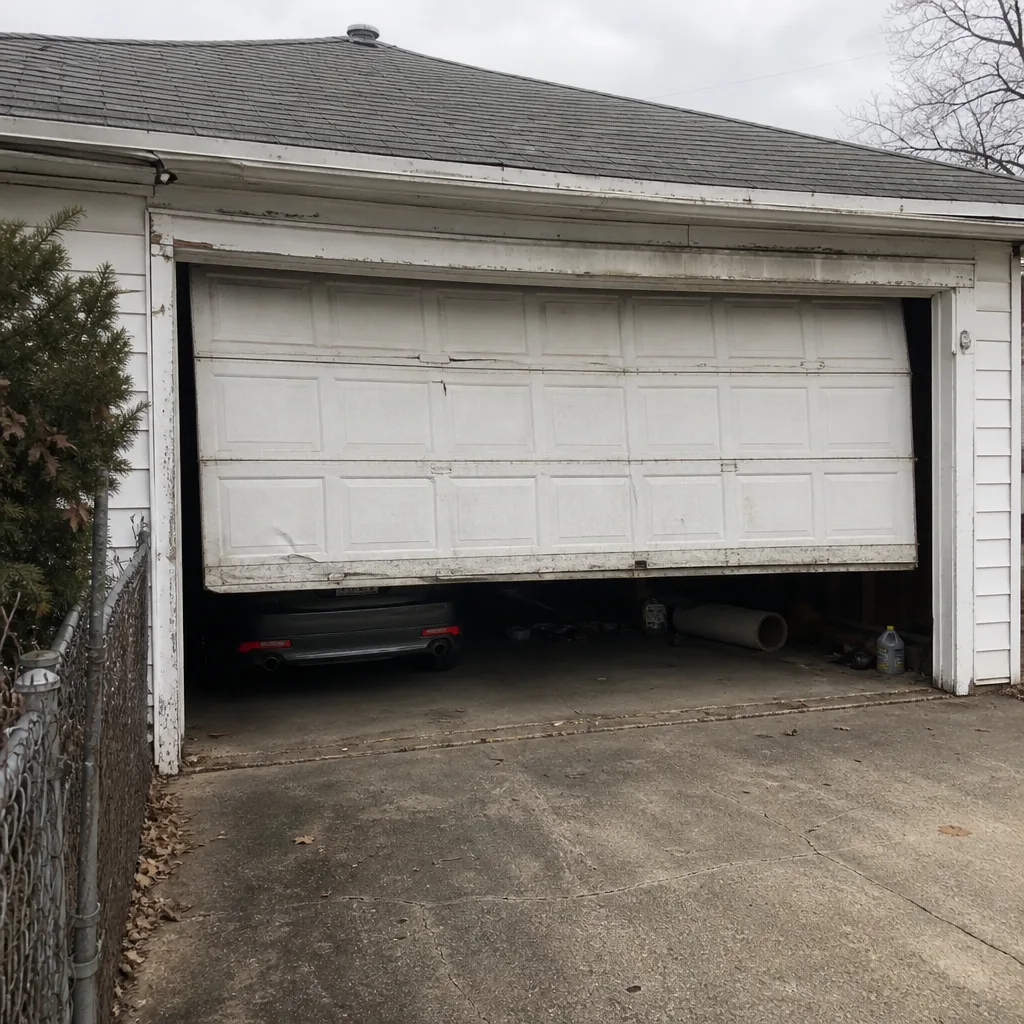 Before
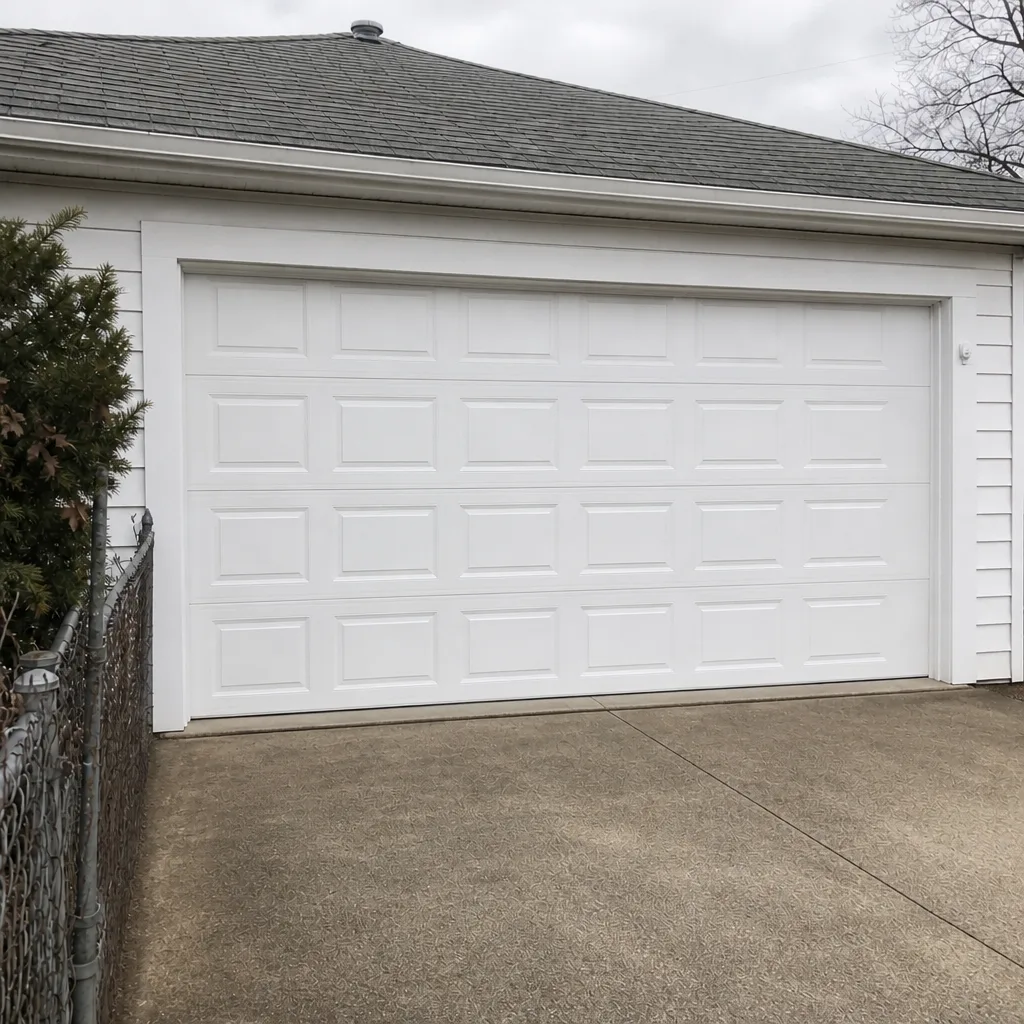 After
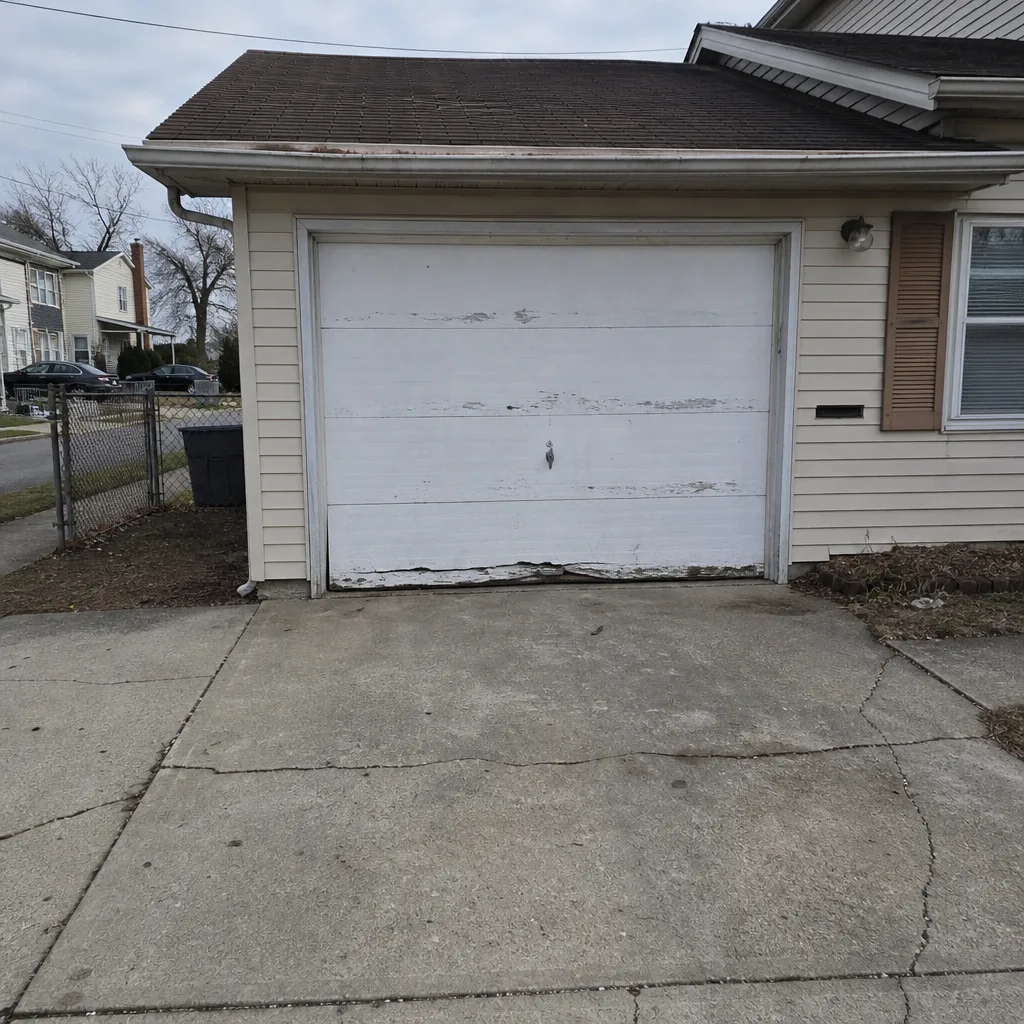 Before
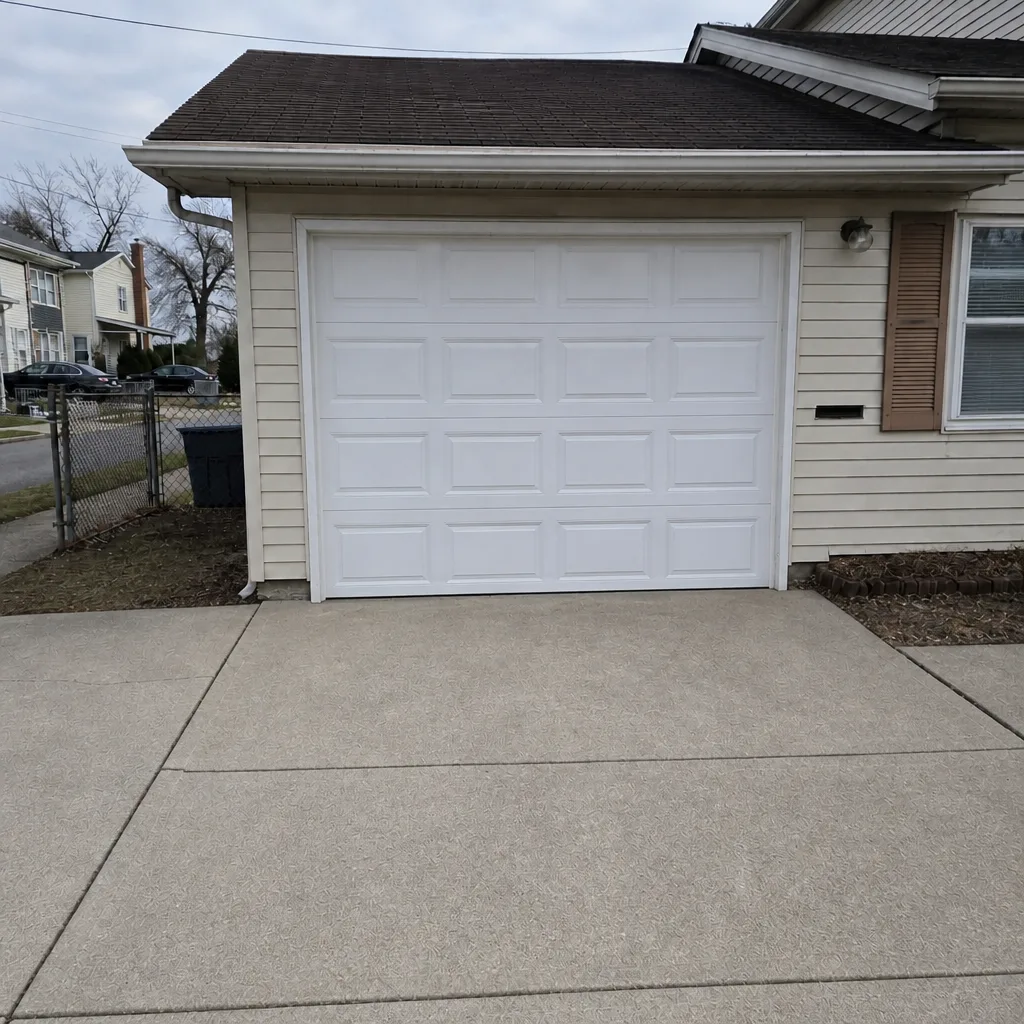 After
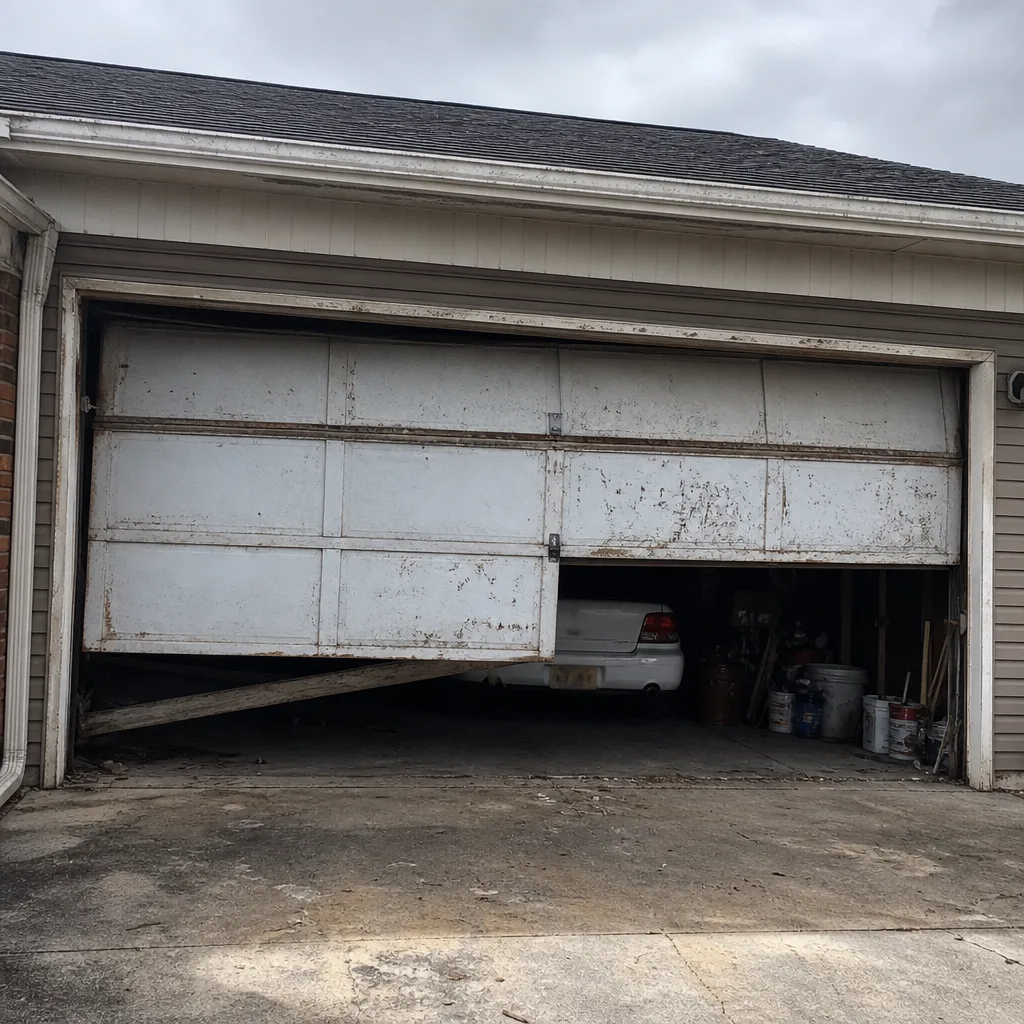 Before
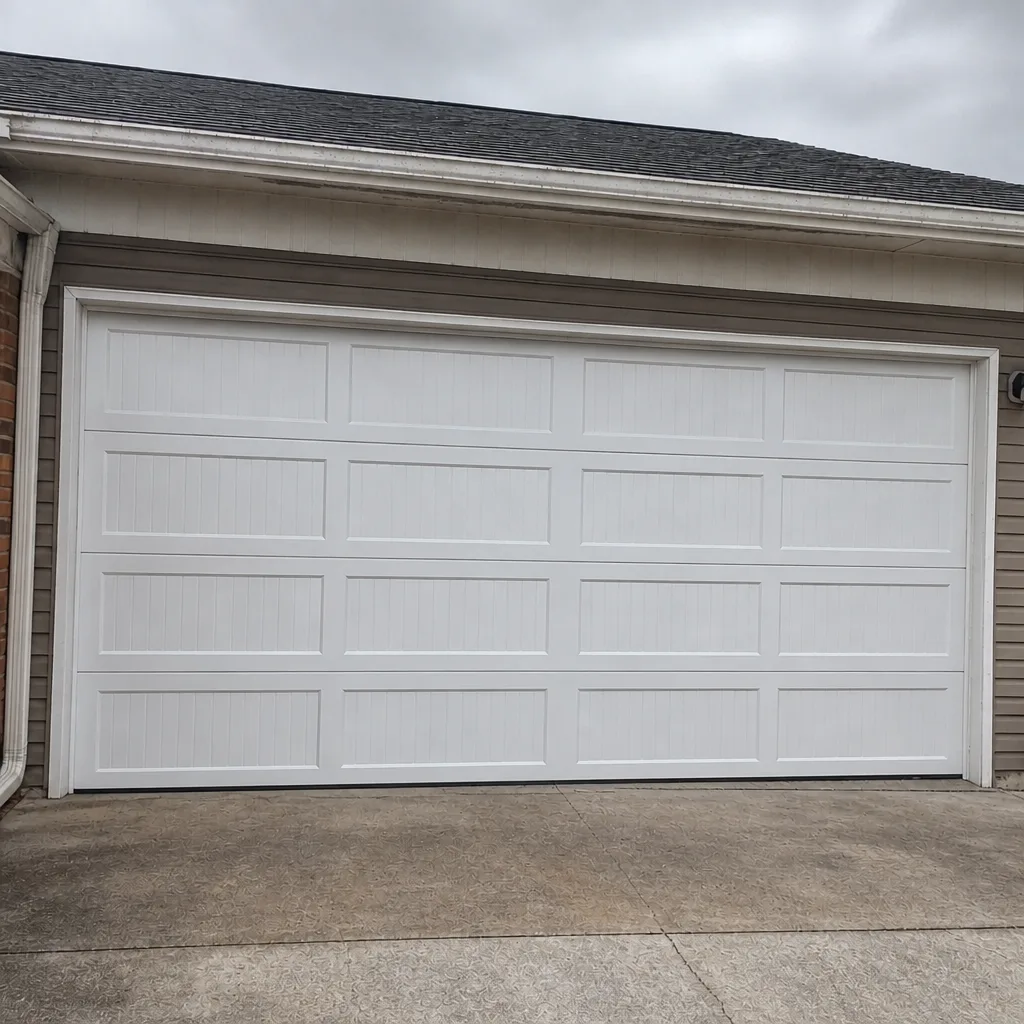 After
When to Call a Professional
Call a professional the moment any of the stop-now signs appear: a pop followed by a door that won’t lift, a fraying or slack cable, a door that reverses on every attempt after the sensor area is cleared, or a bent track the door has already jumped. Call for the grace-period signs too, especially grinding, uneven lifting, and loud jerking. Those are the ones where the repair window matters most. A garage door is your home’s largest moving part, and the cost of ignoring a warning sign is almost always higher than the cost of treating it early.
Garage Door Repair Atlantic City offers free estimates in Atlantic City. Our technicians have up to 13 years of experience, and they work exclusively on garage doors. We handle spring repair as a specialty, opener repair across traditional and smart-home systems, and full door installation when the door is past its repair window. Call (877) 696-4577. We answer 24/7. Fast dispatch from 7am to 7pm, Sunday through Friday.
Frequently Asked Questions
A bold, single pop followed by a door that won’t lift is the most dangerous, because it means a spring has broken and the door’s support is gone. A fraying cable is a close second. Both mean stop using the door and call a technician. Call (877) 696-4577 for an exact quote on the repair, and estimates are free.
Spring repair in Atlantic City is quoted per spring, and the typical range is set by the written estimate rather than a phone number. A matched pair is usually replaced together, so a pair is about twice the cost of one spring. The price is quoted and agreed before any work starts. Call (877) 696-4577 for an exact quote.
Yes, we can often dispatch the same day for a door that won’t close, because access and security can’t wait. We answer 24/7 and fast dispatch runs from 7am to 7pm, Sunday through Friday. Call (877) 696-4577 and we’ll get you on the schedule.
No, the written estimate sets the final price. We quote and agree the work before any tool comes out, and that quoted price is what you pay when the job is done. If the diagnosis turns up a different root cause, we’ll tell you before we proceed. Call (877) 696-4577 to book a free estimate.
The local professionals we connect you with are licensed and insured as New Jersey requires. Every technician works exclusively on garage doors and has up to 13 years of experience. We also carry certified working knowledge of major brands including LiftMaster, Chamberlain, Genie, Clopay, Amarr, Wayne Dalton, Craftsman, and Raynor. Call (877) 696-4577 to discuss your system.
A single component failure (rollers, springs, a cable, the opener) usually means repair, while a door with cracked panels, a bent track throughout, or repeated failures across multiple parts is often a replacement candidate. The written estimate from an on-site look will tell you which. Call (877) 696-4577 for a free estimate and a straight answer.
The Bottom Line
Every garage door failure gives warning first. Grinding points at rollers and tracks. A pop points at a spring. Uneven travel points at cable or spring balance. Reversals point at sensors or force settings. Rust streaks, mineral deposits, and cable discoloration are the visual versions of the same message. Read those signs early and you’ll catch most of them inside the repair window; ignore them and a component job becomes a full system job. Whether you’re hearing a new sound or planning a garage door repair, we’re here to diagnose the actual cause, on your actual brand.
Contact
Call (877) 696-4577 for a free estimate. We answer 24/7, and fast dispatch runs from 7am to 7pm, Sunday through Friday. We work on every major garage door and opener brand in Atlantic City, and the price is quoted and agreed before any work begins.
Written by the team at Garage Door Repair Atlantic City.