
Last updated November 23, 2026
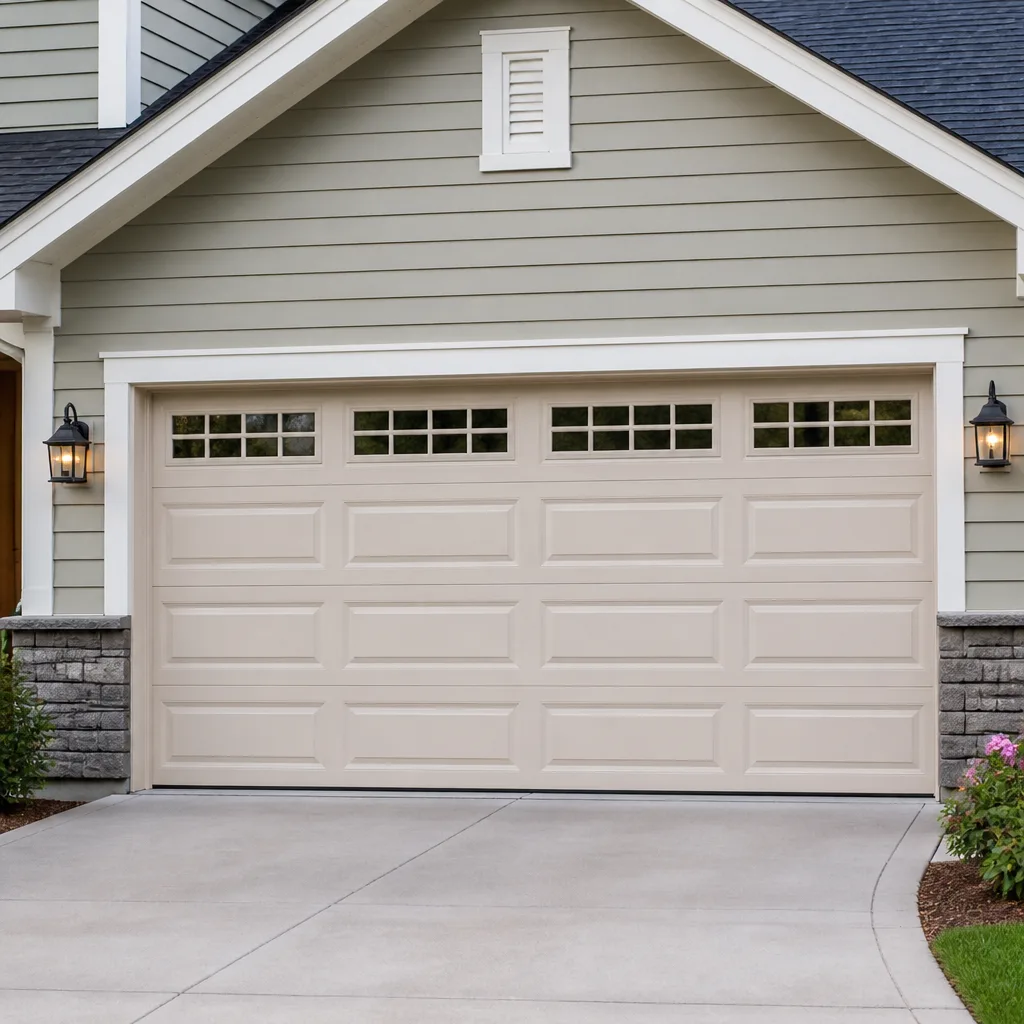 Raised-panel steel
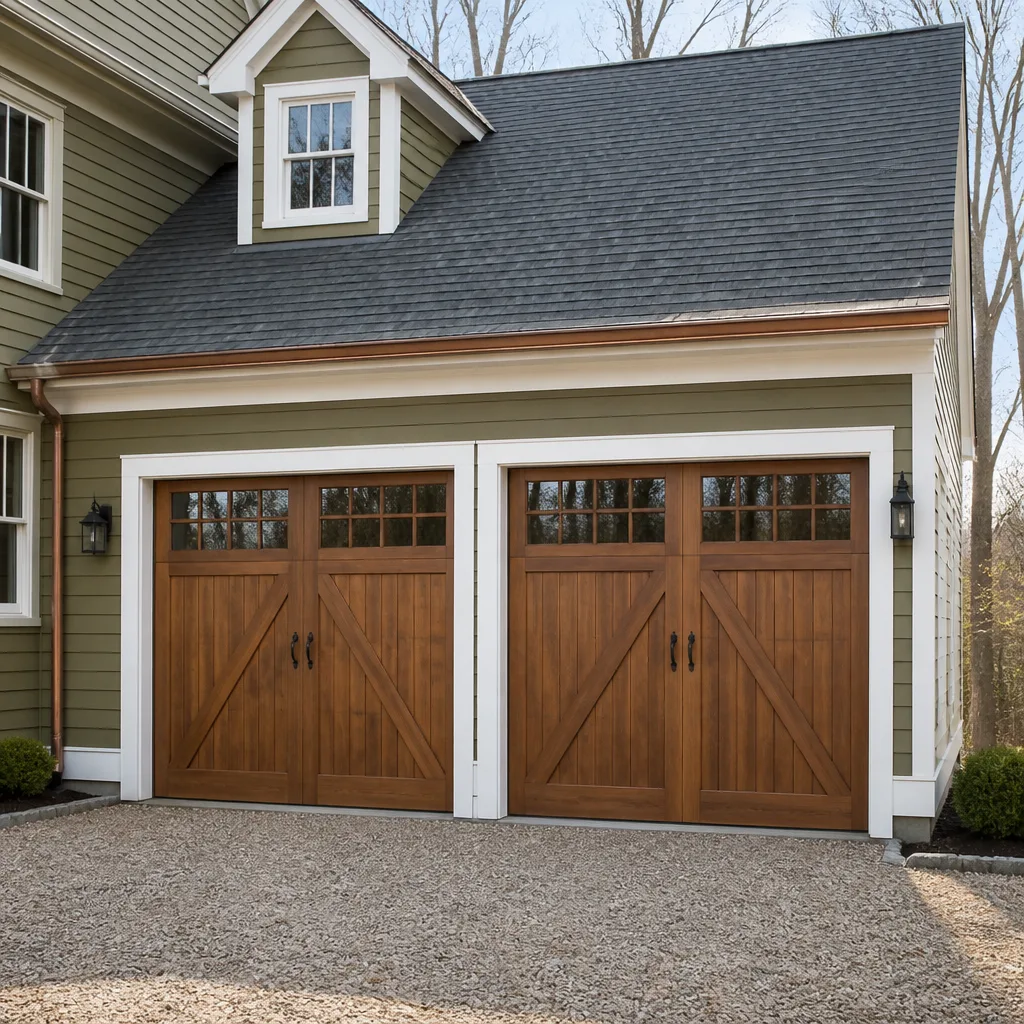 Carriage house
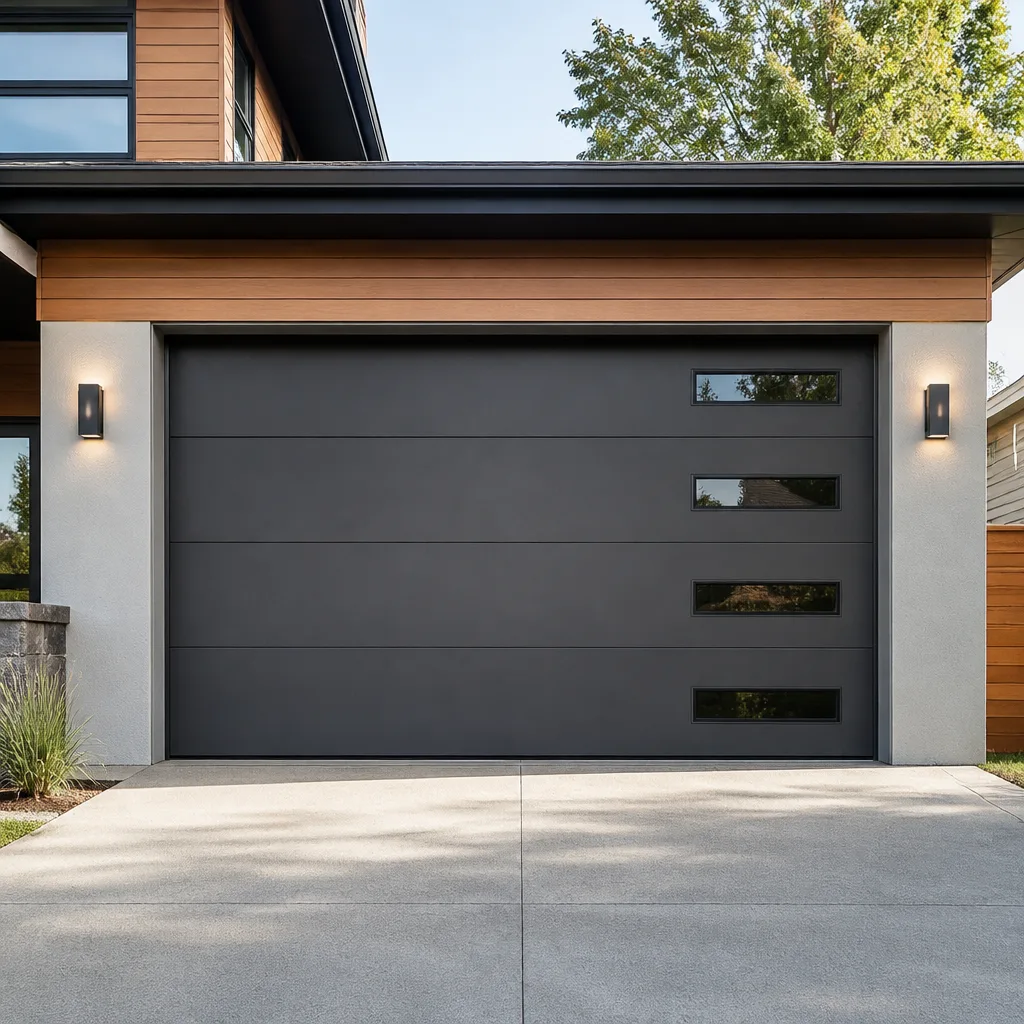 Modern flush
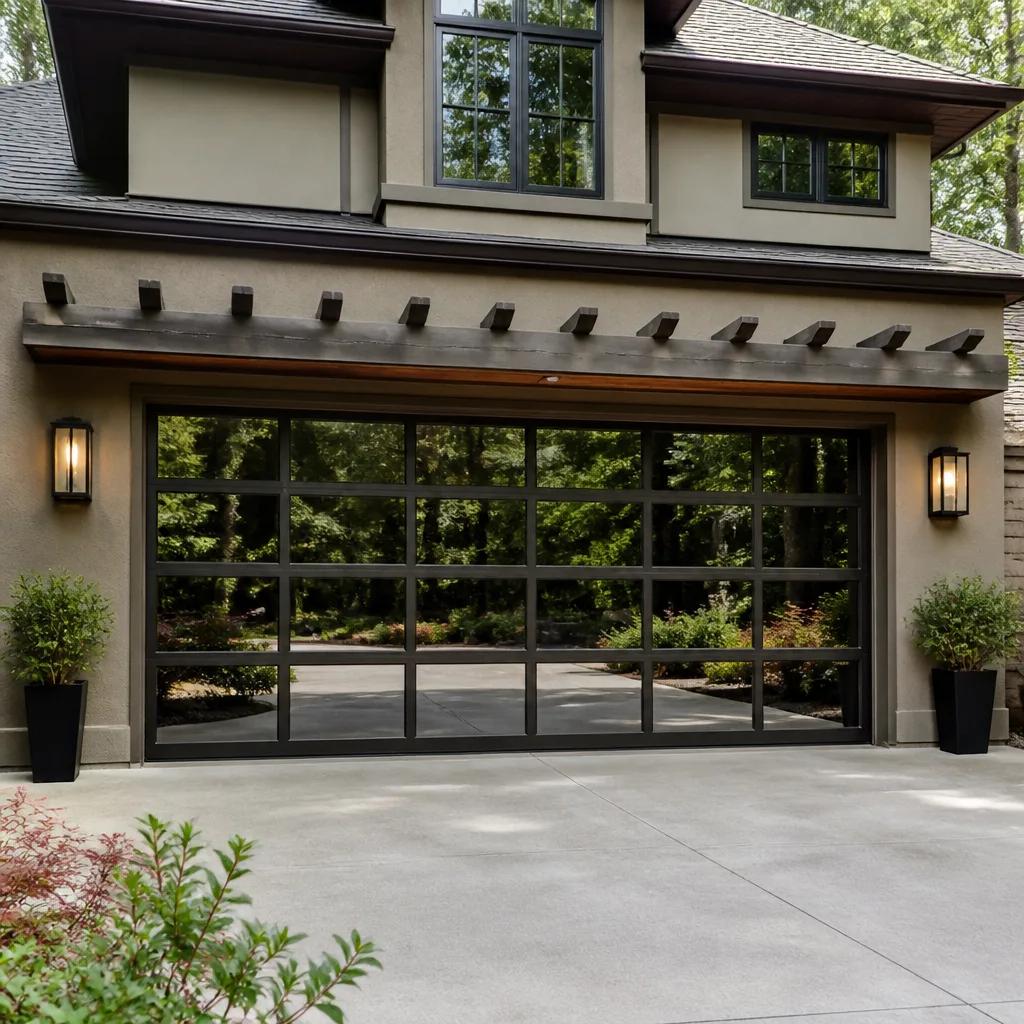 Full-view glass
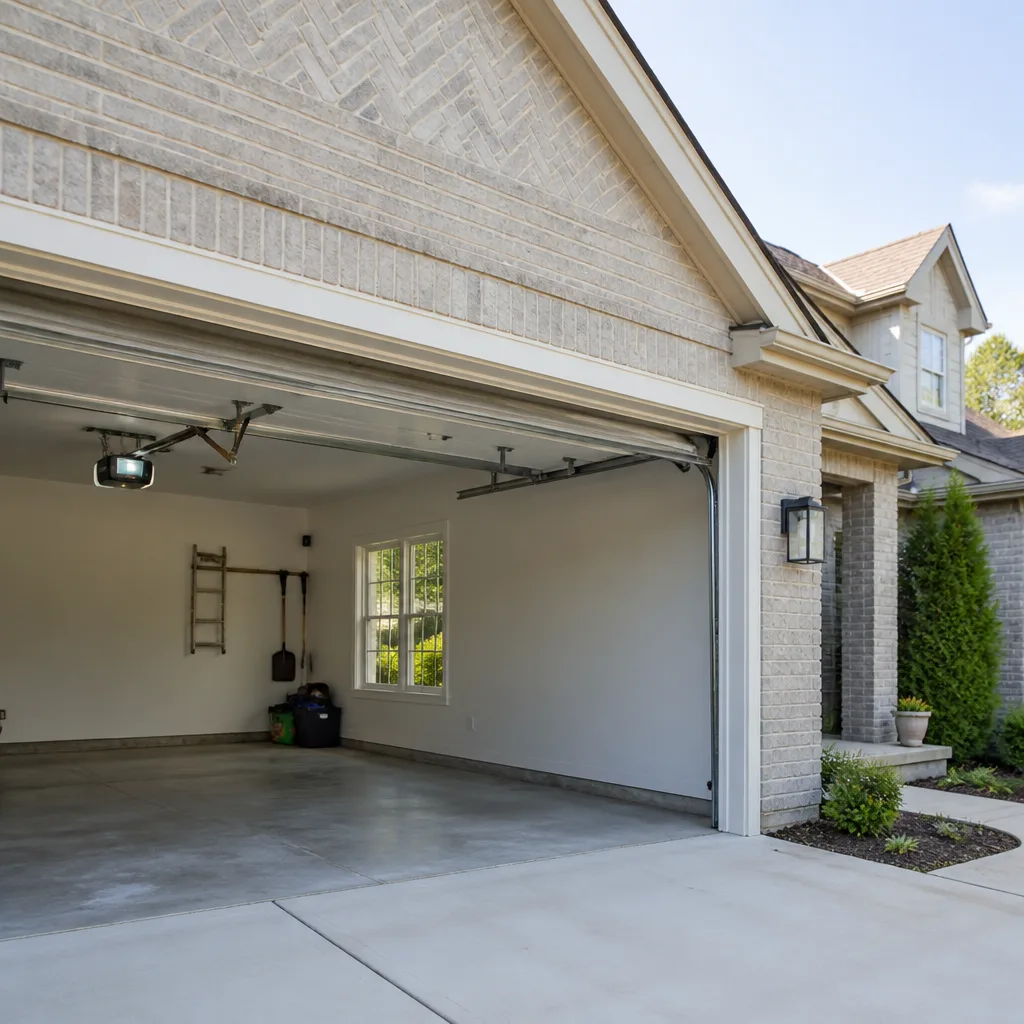 LiftMaster openers
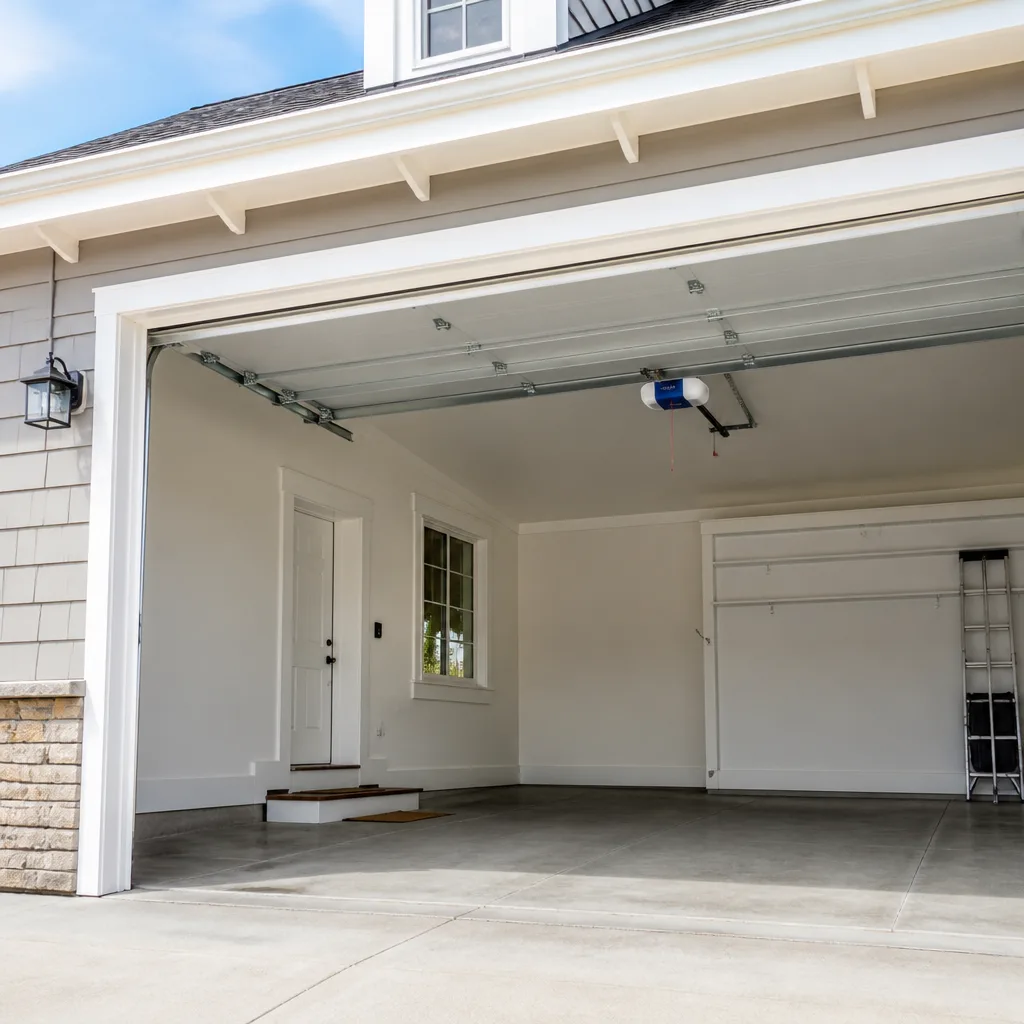 Chamberlain openers
Full 25-point door and opener safety check with every visit - springs, cables, rollers, tracks, and your LiftMaster or Chamberlain opener included
You get a price before we start. It does not change when the pro arrives.
Get your free estimateChoosing the Right Garage Door Brand: A Buyer’s Guide for Atlantic City
Clopay, Amarr, Wayne Dalton – they all look credible in a showroom brochure. The brochure won’t tell you which gauge of steel holds up when your door faces wind-driven rain half the year, or which “lifetime” warranty quietly excludes the hardware that actually wears out. In Atlantic City, a garage door lives a harder life than the same door in a dry inland suburb. Humidity, blowing wind, and a barrier-island climate work on hinges, springs, paint and panels from the day they’re installed. What you’ll learn here: how to read the specs that survive this climate, compare brands for real, and pick a door built for your block rather than a photo.
Quick Answer
The right garage door brand for Atlantic City is the one whose specific model fits your climate, wind exposure and opener, not the one with the best brochure. Prioritize 24- or 25-gauge steel with a galvanized or Galvalume coating, a three-layer insulated construction if you care about quiet and temperature, and warranty terms you’ve actually read. Clopay and Amarr both offer lines built for humid, wind-exposed conditions, and pairing the door with a matched LiftMaster or Chamberlain opener keeps service calls simpler. Brand alone doesn’t decide it – model within the line does.
Styles & brands we work with
- Raised-panel steel
- Carriage house
- Modern flush
- Full-view glass
- LiftMaster openers
- Chamberlain openers
Table of Contents
- Why Brand Alone Won’t Save You in Atlantic City
- Steel Gauge and Coating: The Two Specs That Decide Everything
- Insulation and R-Value: When It Matters, When It’s Upsell
- Wind-Load Ratings: Which Lines Are Built for the Coast
- What “Lifetime Warranty” Really Means in Each Brand’s Fine Print
- Matching Your Opener to Your Door Brand
- A Step-by-Step Way to Choose Your Brand and Model
- Where Service Fits Into the Brand Decision
Why Brand Alone Won’t Save You in Atlantic City
A garage door brand is a manufacturer, not a guarantee. Clopay builds several distinct product lines, from a builder-grade steel door to reinforced carriage-house models. Amarr does the same. Wayne Dalton has entry-level and premium ranges. Buying “a Clopay” tells you almost nothing until you know the model number, the steel gauge, the coating, and whether the line was engineered with structural reinforcement or just bolted together. Atlantic City homeowners who shop by brand name alone often end up with the cheapest model in a good brand’s catalog – which performs about the same as the cheapest model from a weaker name.
The climate here is the other half of the story. A door facing the weather on a barrier island gets moisture cycling through every season. Steel edges, bottom seals, hinges and springs see more humidity than the same components inland. Your home’s largest moving part is also the one most exposed to the elements, and it takes the abuse without anyone thinking about it until something fails.
What we’ve seen working in Atlantic City is that the door which performs over a decade is usually the one where the homeowner asked three questions before signing: What gauge is this steel? What’s the coating? What does the warranty actually cover? Brand is the starting point of the conversation, not the end of it. If you’re already dealing with a failing door and just need it fixed, our garage door repair Atlantic City page covers what happens on a service call.
Steel Gauge and Coating: The Two Specs That Decide Everything
Steel gauge is the thickness of the steel skin on your door panels. Lower numbers mean thicker steel, and thickness is what resists dents, sagging and wind flex over the years. The two specs that matter most are the gauge of the panel skin and the coating applied to the steel before paint. A thin skin with a good coating beats a thicker skin with none, but neither survives long against humidity if both are missing. Here’s how to read them.
Steel gauge, translated:
- 24-gauge: Standard builder-grade thickness. Fine for a protected, inland garage; the weaker choice for a door facing weather.
- 25-gauge: Slightly thinner than 24. Often used on entry-level models and value lines.
- 26-gauge and thinner: The budget end. Dents more easily and flexes under wind load.
- Heavier sections (some premium and insulated lines): Thicker skins on higher-end and carriage-house models. Heavier doors need stronger springs and often a stronger opener.
Coating types:
- Galvanized steel: Zinc-coated for corrosion resistance. A reasonable baseline for a humid climate, but the zinc layer varies in thickness between brands.
- Galvalume (aluminum-zinc): A zinc-aluminum alloy coating. Generally more corrosion-resistant than plain galvanized, and worth asking about on any door facing wind-driven rain.
- Prepaint or powder coat only: The paint is the protection. Scratches and edge wear expose bare steel faster, which matters more in a humid climate than a dry one.
When you compare Clopay, Amarr or Wayne Dalton lines, ask the dealer for the gauge and the coating on the specific model, not the line. A brand that uses Galvalume on its premium series and galvanized on its value series is telling you exactly which door was built for weather. Atlantic City homes that face the wind off the water deserve that answer in writing. Paint and coating also matter for another reason: scratches near the bottom edge are where corrosion starts, so a good touch-up routine extends the door’s life meaningfully.
Insulation and R-Value: When It Matters, When It’s Upsell
Insulation is the spec most homeowners overpay for or skip entirely for the wrong reasons. The R-value of a garage door measures how well it resists heat flow. Higher R-value means less heat transfer between the garage and outside, and less noise from the door moving. Whether that matters in Atlantic City depends on how you use the space above and beside your garage.
When insulation is worth it:
- A room above the garage, or an attached garage sharing a wall with living space.
- A garage used as a workshop, home gym or laundry area where temperature swings ruin the experience.
- Noise reduction, if bedrooms sit near the garage.
- A home with strong heating and cooling bills where the garage is the weak point in the envelope.
When it’s mostly upsell:
- A detached garage that’s cold storage for tools and a car.
- A door that’s rarely opened and doesn’t share walls with the house.
- When you’d be trading a well-built non-insulated door for a cheap insulated one at the same price.
Construction type matters as much as the number. Polystyrene insulation is a foam board inserted into the door panels. Polyurethane is injected and bonded to the steel, giving a higher R-value per inch and adding structural rigidity to the panel itself. In a humid Atlantic City climate, bonded polyurethane construction tends to hold its shape and resist moisture intrusion better than loose foam board over years. A $100 upgrade from polystyrene to polyurethane on the same door often delivers more real-world performance than a bigger jump in claimed R-value on paper. Non-insulated steel doors still have their place; a single-skin door with a strong coating can last well in the right location.
Be wary of brands that lead with a giant R-value claim but bury the gauges. A high number on a flimsy skin isn’t a performance door.
Wind-Load Ratings: Which Lines Are Built for the Coast
Wind-load rating is how much wind pressure a garage door is engineered to withstand without structural failure. Most entry-level residential doors are built to a baseline rating with no structural uprating. Coastal lines are engineered and tested to higher ratings, and the reinforcement shows up in the tracks, hinges, panel stiffeners and sometimes thicker steel sections. Atlantic City homes near the water or on exposed blocks should ask for this directly.
How to tell if a line is wind-rated:
- Ask for the tested wind-load rating in writing. A door rated for a higher wind speed has a number attached to it, and the manufacturer will publish it.
- Check the tracks and hinges. Wind-rated doors usually use heavier-gauge vertical tracks and reinforced hinges. If the hardware looks basic, the door likely isn’t uprated.
- Look for a wind-load label or stamp on the model documentation. Genuine coastal lines carry one.
- Ask whether the installation includes upgrades. Sometimes the door is rated but the tracks shipped standard. Confirm both.
- Consider the opener too. A heavier, reinforced door needs an opener rated for the load and a properly matched spring.
Across the major brands, wind-rated options exist in the premium and coastal series of Clopay, Amarr and Wayne Dalton. LiftMaster and Chamberlain openers are commonly paired with these doors because the load and travel requirements are understood. Wayne Dalton’s heavier insulated models are frequently selected where wind exposure combines with a desire for a quieter door. What matters when you buy is that you’re choosing the coastal line, not the standard residential one from the same brand.
We’ve seen enough corroded tracks and bent hinges on Atlantic City doors to say this plainly: on this island, wind-load rating is not a luxury spec. It’s the difference between a door that holds and a door that needs help.
What “Lifetime Warranty” Really Means in Each Brand’s Fine Print
“Lifetime warranty” on a garage door almost never means what a homeowner imagines. It typically covers the painted finish against peeling, cracking or rust-through for as long as you own the door, and it may cover the door sections themselves against structural defects. It usually does not cover springs, rollers, hinges, weather seals or labor. It often requires the original purchaser and the original installation, and it usually excludes corrosion caused by environmental exposure unless a specific corrosion warranty is stated. In a humid climate with regular moisture cycling, those exclusions matter more than the headline length of the term.
Warranty clauses to read before you buy:
- Finish warranty vs. structural warranty. Two different promises. One covers paint, the other covers the panels.
- Corrosion coverage. Does the warranty mention rust or corrosion specifically? What environmental causes are excluded?
- Original purchaser. Coverage usually ends when the home is sold.
- Labor. Very rarely covered. Ask who pays for the technician visit.
- Hardware separately. Springs, hinges, rollers, bearings and openers have their own shorter warranties, typically counted in years, not in the word “lifetime.”
Different brands lean different ways. Clopay publishes separate finish and structural terms by product line, so the terms on a premium carriage-house door will differ from a model on the value line. Amarr organizes warranties similarly and does publish corrosion coverage on some products. Wayne Dalton’s warranty terms vary more between its premium and builder lines, so a homeowner has to check the exact model. The honest takeaway: the brand name doesn’t guarantee a warranty; the line and model do. Ask for the warranty document before you sign, not the summary.
Matching Your Opener to Your Door Brand
Door brand and opener brand don’t have to match, but pairing them within a compatible system family keeps service simpler. Openers from LiftMaster, Chamberlain, Genie and Craftsman each have their own remote protocols, safety sensor designs and wiring conventions. When the door and opener come from the same system family, or are known to work well together, technicians can diagnose one without guessing about the other. Atlantic City homeowners replacing a door often ask whether they have to replace the opener at the same time. Usually not, if the opener’s rated lift matches the new door’s weight and the safety sensors are intact.
Where matching matters:
- Smart openers. LiftMaster and Chamberlain models with WiFi and app control have become common in Atlantic City homes. Matching them to a compatible door line ensures the travel limits and force settings can be set cleanly on installation.
- Legacy openers. A Craftsman or Genie unit from years back may still run a new door if the lift rating suits. The safety sensors and the wall control need to be functioning.
- Heavier doors. An insulated, wind-rated, three-layer door weighs significantly more than a thin single-panel door. A smaller opener rated for the original door may not lift the new one. Confirm the lift rating against the door weight before ordering.
- Warranty claims. In rare cases, an opener manufacturer will question a warranty claim if the door weight exceeds the opener’s rating. Matching known-compatible products avoids that conversation.
When the opener itself is failing, our garage door opener repair page covers what gets checked. Fixing an opener or matching a new one to a new door is work we do across Atlantic City regularly, and we work with the actual components of whatever system is installed – LiftMaster, Chamberlain, Genie, Craftsman and the rest.
A Step-by-Step Way to Choose Your Brand and Model
Here’s a workable process for actually deciding, in order. Do these steps and you’ll be comparing models on the right terms.
- Measure and note the space. Door width, height, headroom above the door and available side room. These numbers determine which models physically fit.
- Identify your exposure. Is the door on a windy, exposed block or sheltered? Wind-load rating is the first spec to lock in.
- Decide whether the garage is conditioned space. If it shares a wall with living space or holds a room above, insulated construction earns its price. If not, it’s optional.
- Ask for steel gauge and coating in writing. Require both for at least two competing doors. Ignore brochures that only lead with brand name.
- Read the finish and structural warranties separately. Confirm the labor question and the corrosion clause.
- Check the opener lift rating against the new door’s weight. Pair matching brands where practical.
- Compare the total written estimate. Door, installation, track upgrades, spring match, opener changes if any, and haul-away. All in writing, all agreed before work starts.
That last step is where the process pays off. Two brands at the same sticker price can diverge wildly once you compare gauge, coating, wind rating, insulation type and warranty terms side by side. Do this comparison and you’ll rarely regret what you bought.
Where Service Fits Into the Brand Decision
Your garage door has three phases: installation, repair, and eventually replacement. A specialty company that works across major brands can serve all three, and that continuity saves homeowners from re-explaining their system to a different trade every time something changes. We work on LiftMaster, Chamberlain, Genie, Clopay, Amarr, Wayne Dalton, Craftsman and Raynor because we need to know the actual components, not a general impression of the brand. Our technicians have up to 13 years of experience with these systems.
Spring work is the most common repair we handle, and it’s the one most likely to go wrong in a homeowner’s hands. Torsion springs and the cables that run through them are under high tension. A garage door spring repair is a safety-critical job – if a spring is broken or making a sharp bang, keep the door closed and call rather than trying to lift it manually. We treat spring work as its own specialty for that reason. If you need an emergency visit because the door won’t close or won’t open, our garage door repair page covers the response. We answer 24/7, and fast dispatch from 7am to 7pm means urgent Atlantic City calls get a technician that day in most cases.
When you decide to replace the door, the brand comparison you just read should be part of the same conversation as the install. Whoever installs the door should be able to explain the gauge, coating, wind rating and warranty on the model they’re quoting – not just the brand name. That’s the whole point of choosing a specialist over a general installer.
Common Mistakes to Avoid
- Buying by brand name alone. “A Clopay” isn’t a door spec. Ask for the model number, gauge and coating, then compare.
- Skipping the wind-load rating on an exposed block. A standard residential door is not engineered for wind pressure the way a coastal line is. On Atlantic City’s wind-exposed streets, this is the spec most often overlooked.
- Paying for R-value you won’t use. A detached garage that stores tools and a car does not need the highest R-value on the market. Spend the money on steel and coating instead.
- Believing “lifetime warranty” covers springs and labor. It almost never does. Ask for the warranty document and find the corrosion and exclusion clauses before you sign.
- Ignoring the opener’s lift rating. A heavier insulated door can outrun a small legacy opener. Match the motor to the door or you’ll be replacing both in a year.
- Letting a thin steel door install without a coated bottom edge. That’s where rust starts first in humid climates. Confirm the coating and the bottom seal before installation day.
- Trusting the showroom brochure for installation details. Tracks, hinges and stiffeners are what hold the door in wind. Ask what hardware ships with the door, and what doesn’t.
See the difference
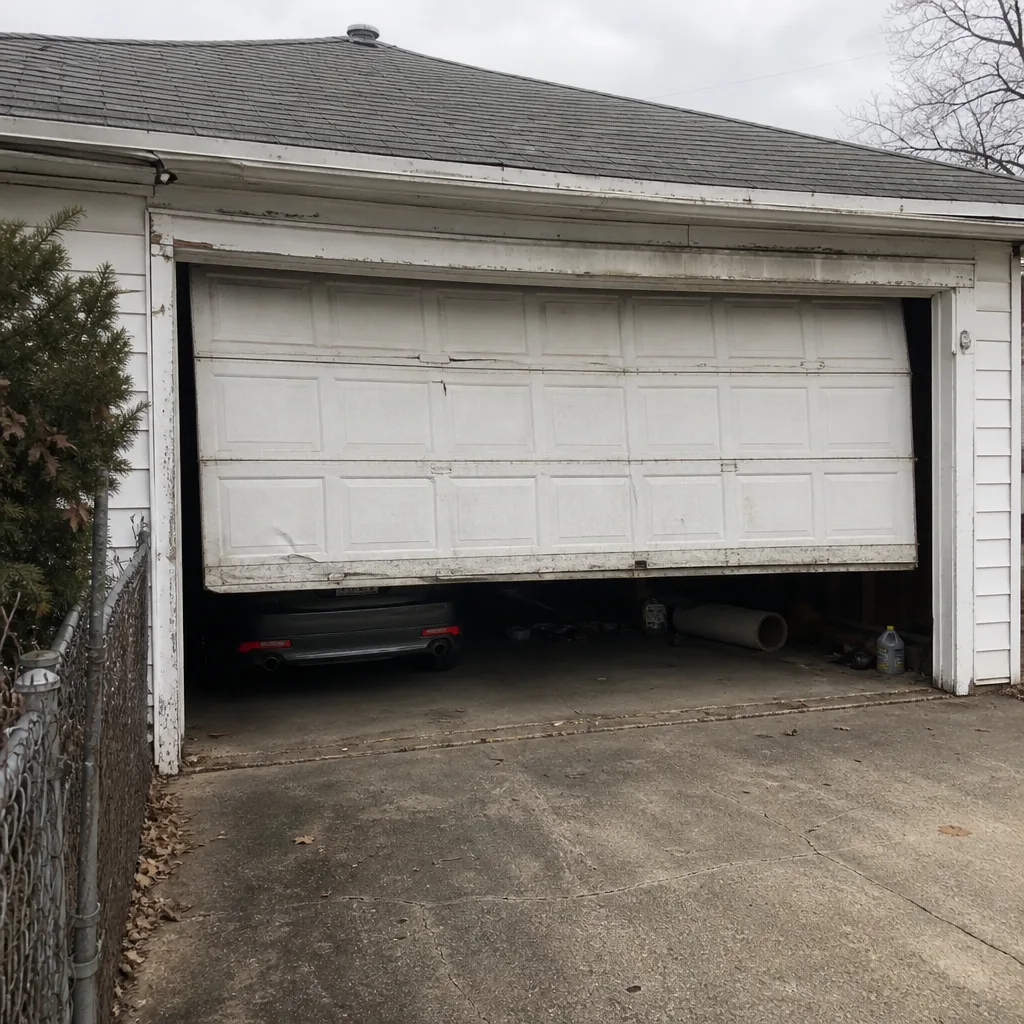 Before
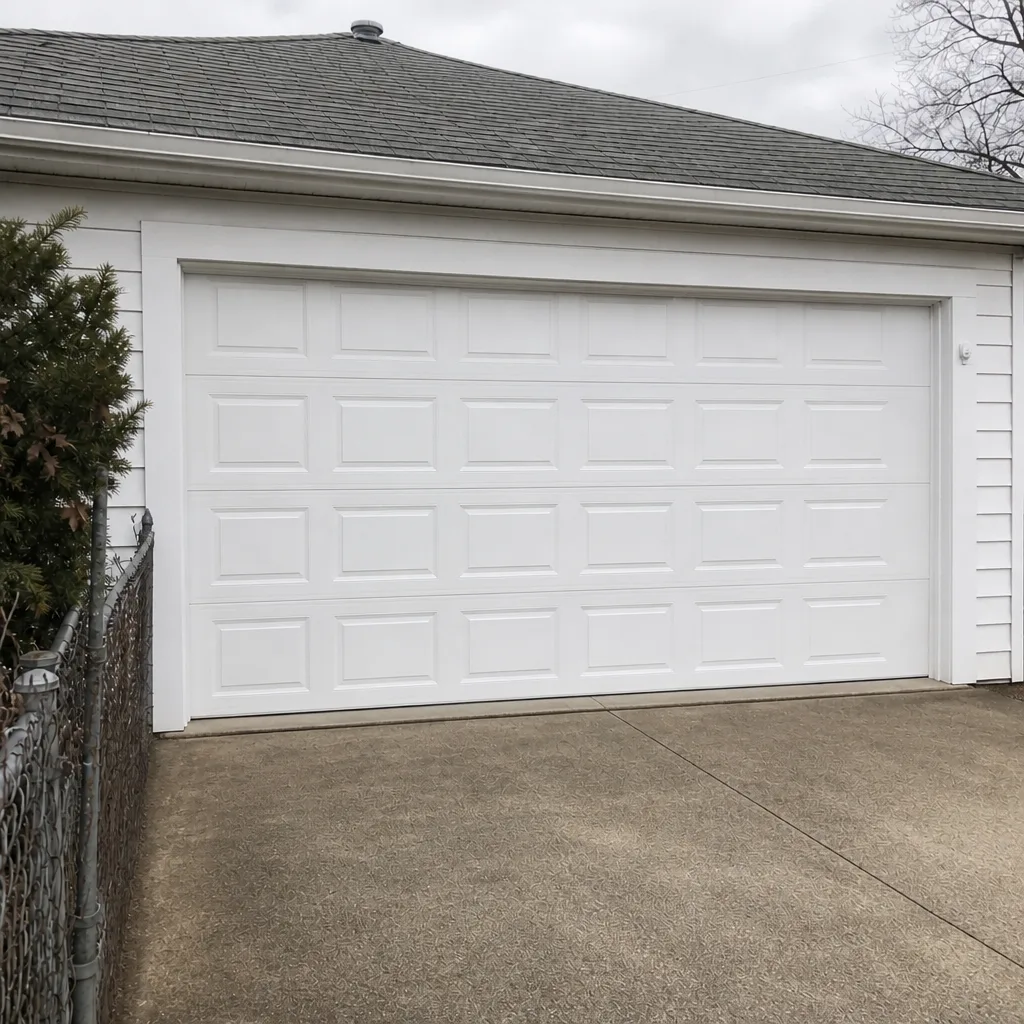 After
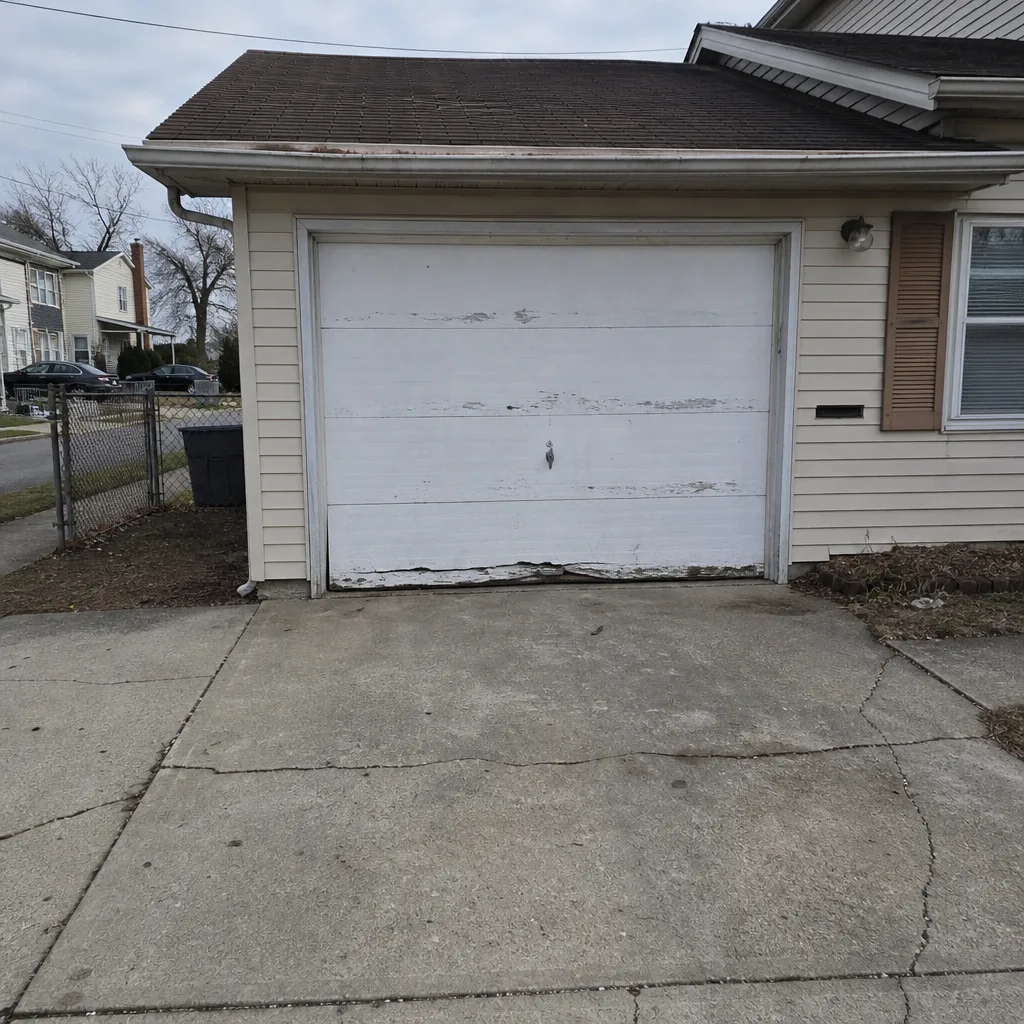 Before
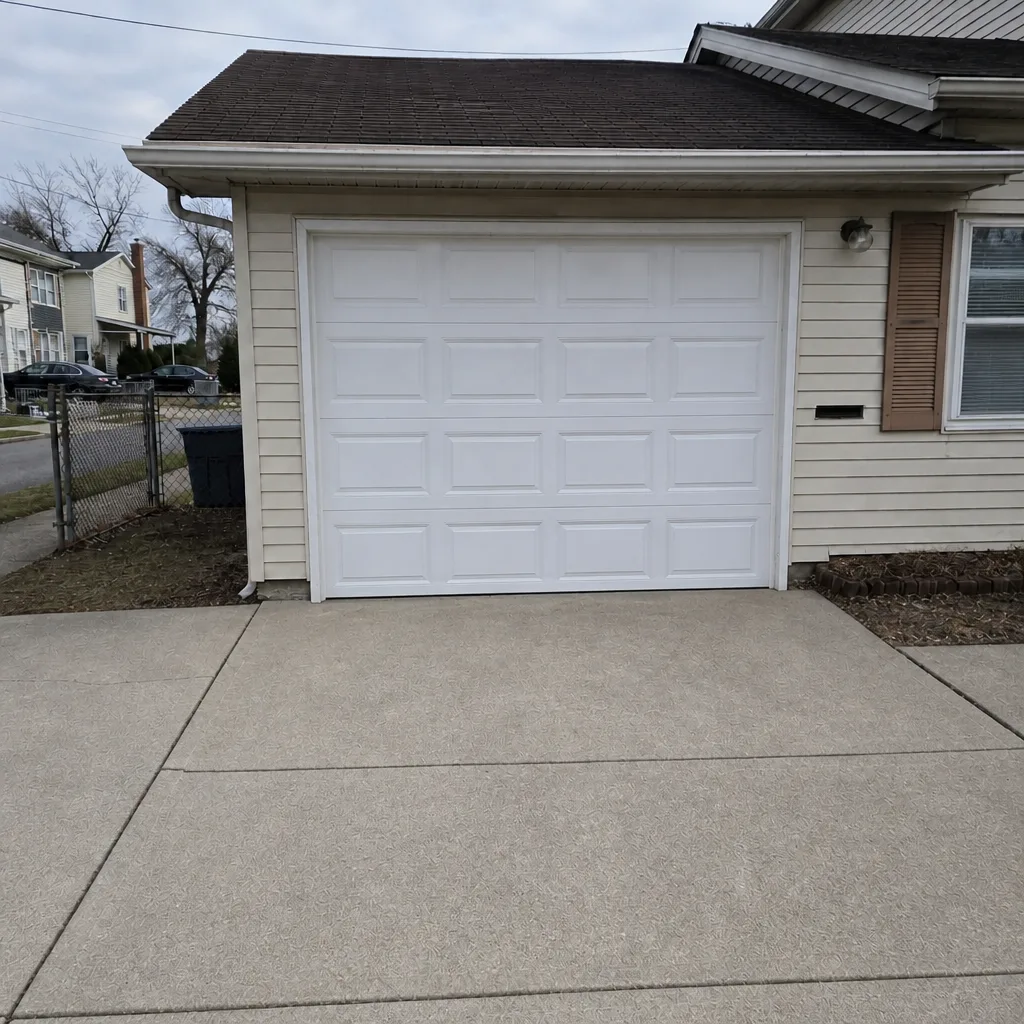 After
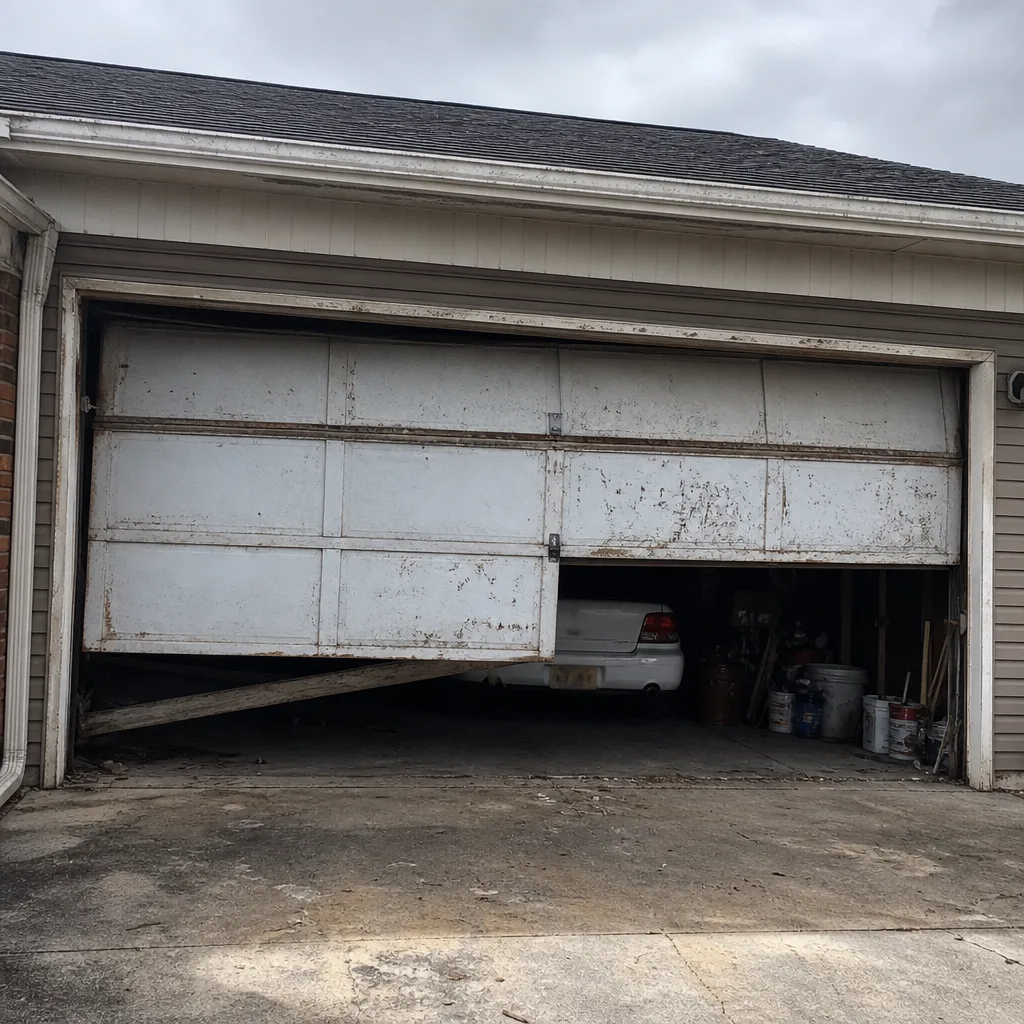 Before
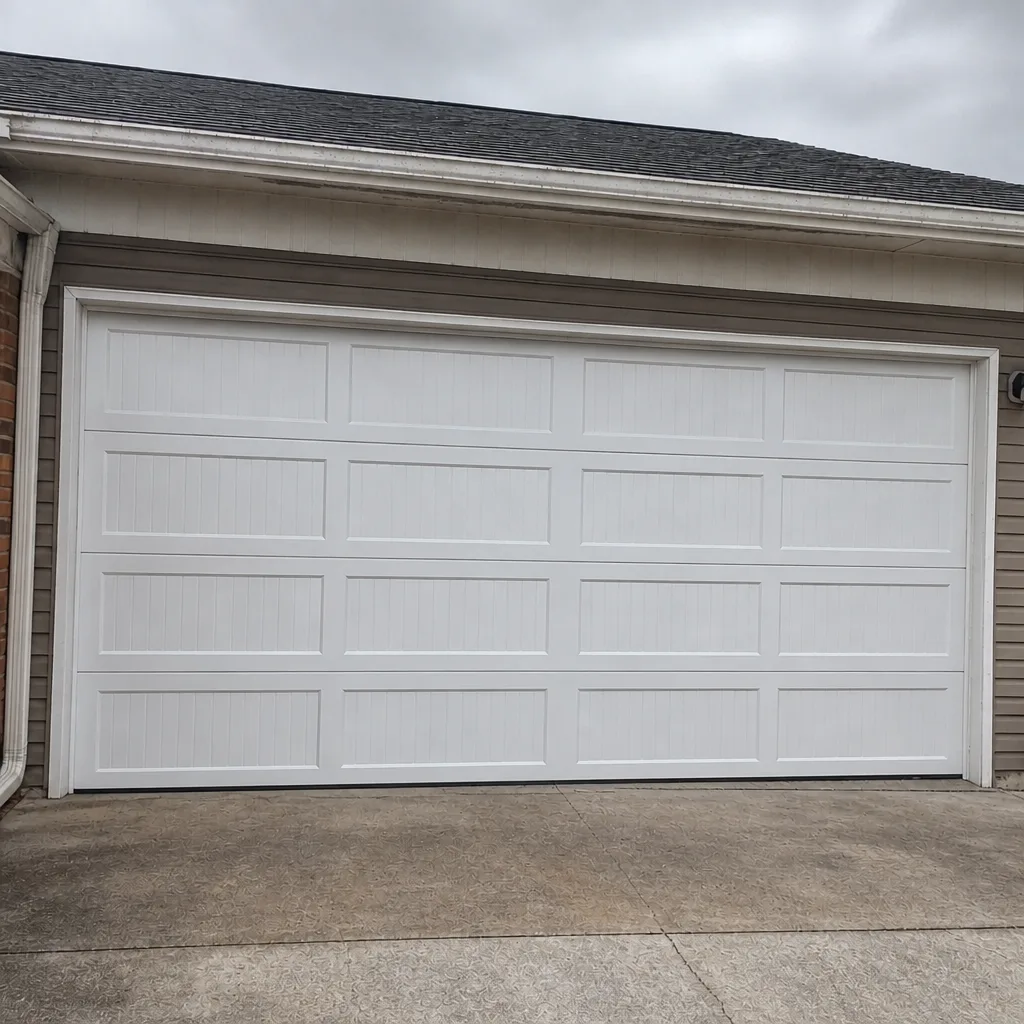 After
When to Call a Professional
Call a specialist when the door won’t open or close, when you hear a sharp bang and the door is suddenly heavy, when the opener runs but the door doesn’t move, or when the door is visibly sagging or out of square. Springs, cables and torsion hardware are dangerous under tension. A trained technician has the tools, the safety practices and the parts knowledge to handle them correctly. If you’re weighing whether to repair or replace, get a written assessment before committing either way; the right answer is sometimes obvious once someone who sees these all week actually looks at the door. Garage Door Repair Atlantic City offers free estimates in Atlantic City – call (877) 696-4577. We answer 24/7. Fast dispatch from 7am to 7pm, Sunday through Friday.
Frequently Asked Questions
There isn’t a single best brand – the right choice is the model within a brand that matches your climate and exposure. A 24- or 25-gauge steel door with a galvanized or Galvalume coating and, if you need it, bonded polyurethane insulation will outperform a heavier name on a thinner skin. Clopay and Amarr both offer lines suited to humid, wind-exposed conditions. Call (877) 696-4577 for an exact quote on the models we recommend for your block – estimates are free.
Garage door installation pricing depends on the door model, size, insulation, wind rating and opener compatibility. That’s why we don’t publish a single number here. Your written estimate is the price, and it’s agreed before any work starts. Call (877) 696-4577 for a free measure and a written quote.
Only if the garage shares walls with living space, has a room above it, or is used as a workshop or gym. For a detached garage used for storage and parking, spend the difference on steel gauge and coating instead, because those determine how long the door holds up in a humid climate. Call (877) 696-4577 to talk through your setup – estimates are free.
Yes, if your Atlantic City garage faces wind-exposed conditions. Standard residential doors aren’t engineered to higher wind pressure. A wind-rated line uses heavier tracks, reinforced hinges and thicker steel sections, and the rating is published with the model. Call (877) 696-4577 if you’d like us to review the models for your exposure – estimates are free.
Usually the painted finish against peeling and rust-through, sometimes the door sections against structural defects, but rarely springs, rollers, hinges, weather seals or labor. Coverage generally requires the original purchaser and original installation. Ask for the warranty document, not just the summary. Call (877) 696-4577 for a written explanation of the models we recommend – estimates are free.
No, but pairing them within a compatible system family keeps service and warranty conversations simpler. A LiftMaster or Chamberlain opener can run a Clopay or Amarr door as long as the opener’s lift rating suits the door weight. Heavier, insulated doors often need a stronger opener than the one currently installed. Call (877) 696-4577 if you’re unsure what your opener can lift – estimates are free.
The Bottom Line
In Atlantic City, the right garage door brand is a model-level decision, not a label-level one. Read the gauge, read the coating, ask for the wind rating if your block is exposed, and separate the finish warranty from the structural warranty before you decide. Choose insulation based on how you use the space, and match the opener’s lift rating to the door weight so you don’t end up replacing both at once. Brand names like Clopay, Amarr and Wayne Dalton all have doors built for this climate and doors that aren’t. Knowing which model you’re looking at is the whole game.
If you’d like a written estimate on the models we recommend for your Atlantic City home, call (877) 696-4577. We answer 24/7. Fast dispatch from 7am to 7pm, Sunday through Friday.
Written by the team at Garage Door Repair Atlantic City.