
Last updated November 23, 2026
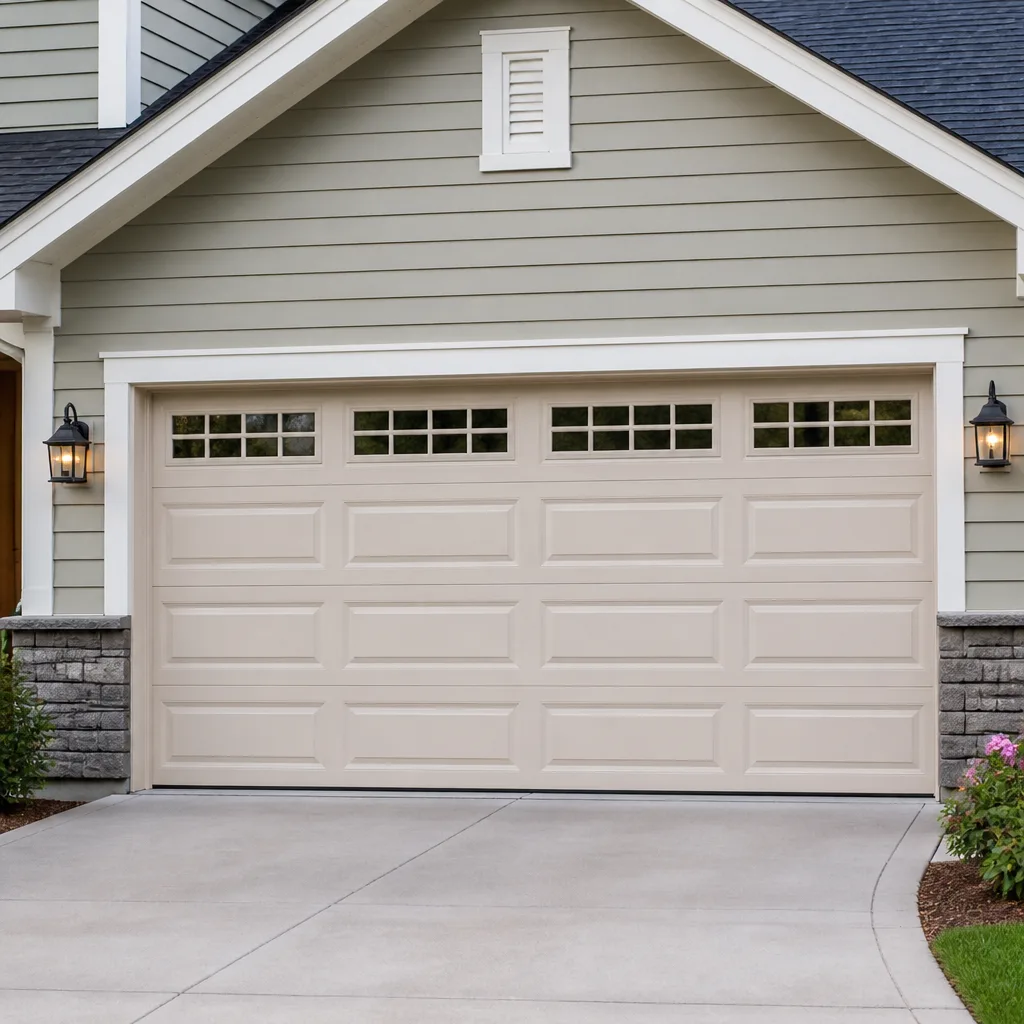 Raised-panel steel
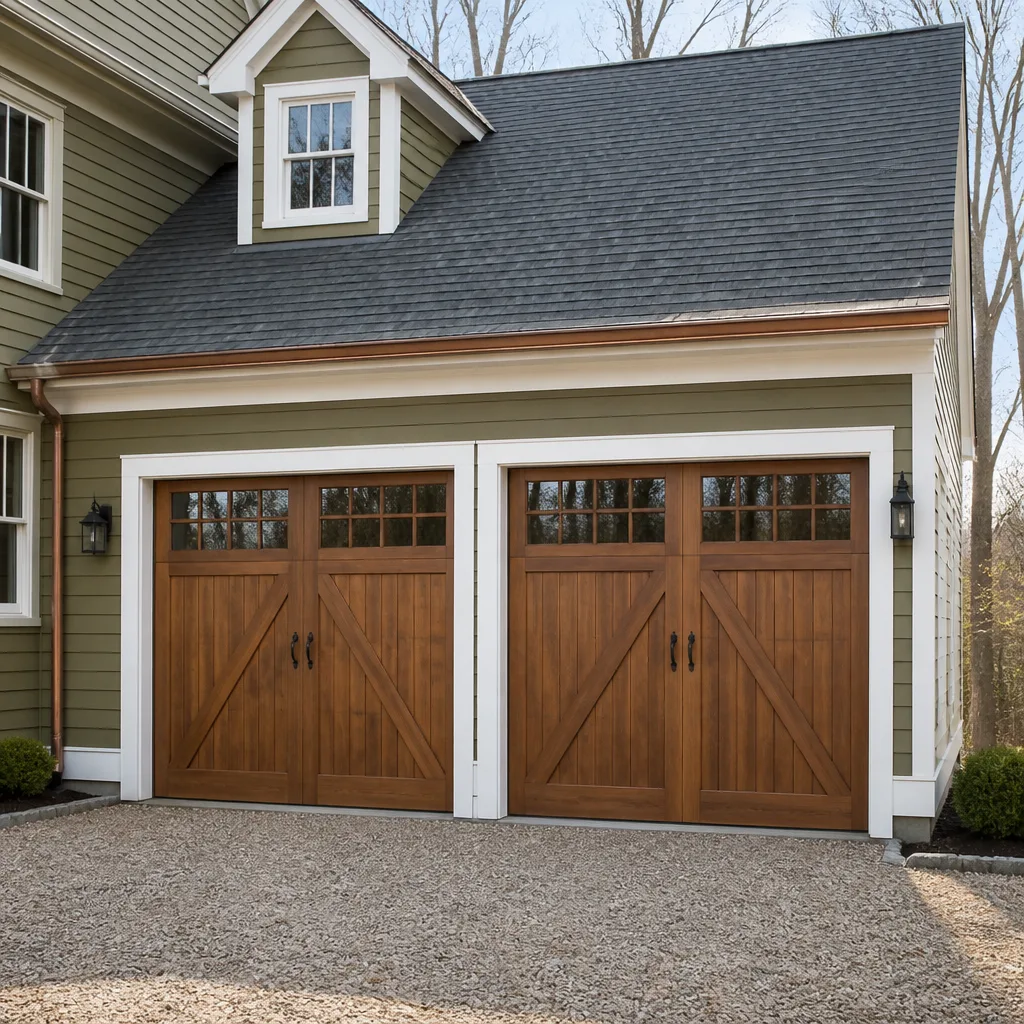 Carriage house
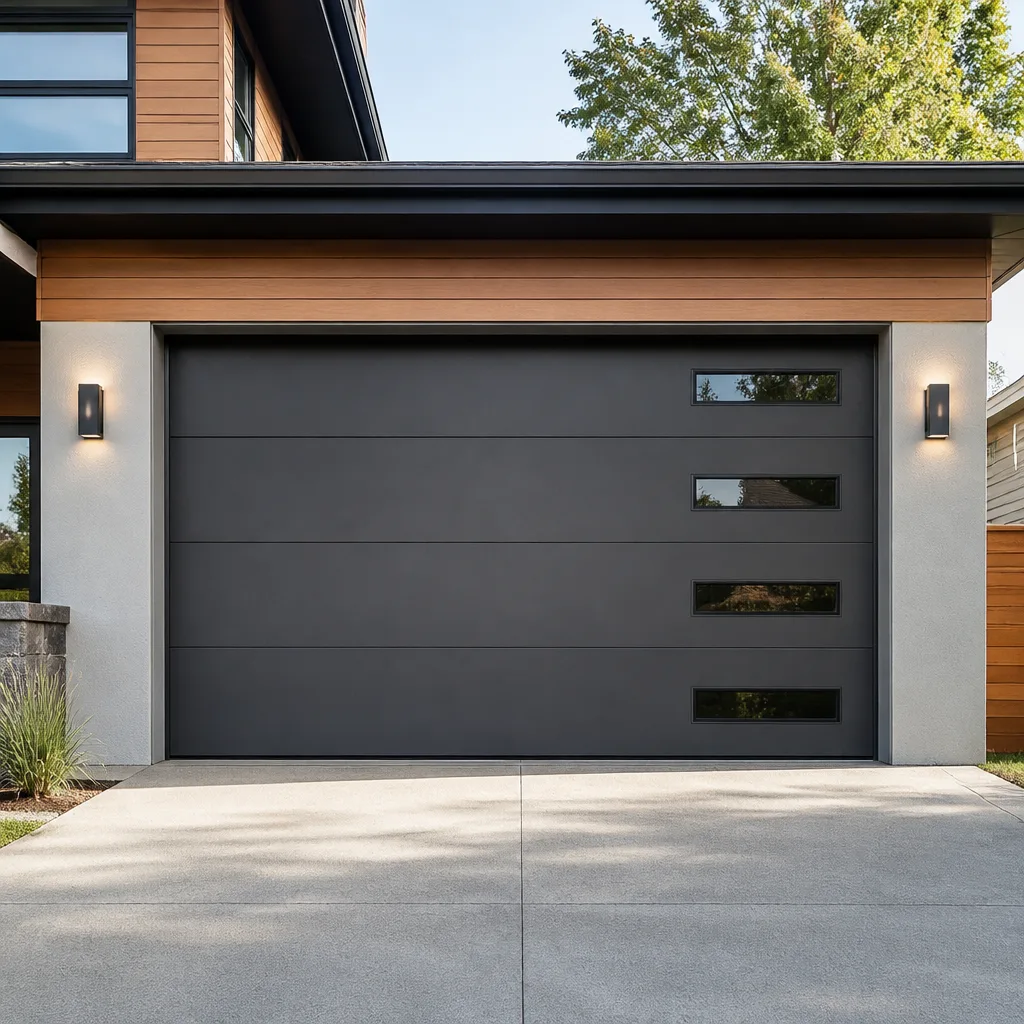 Modern flush
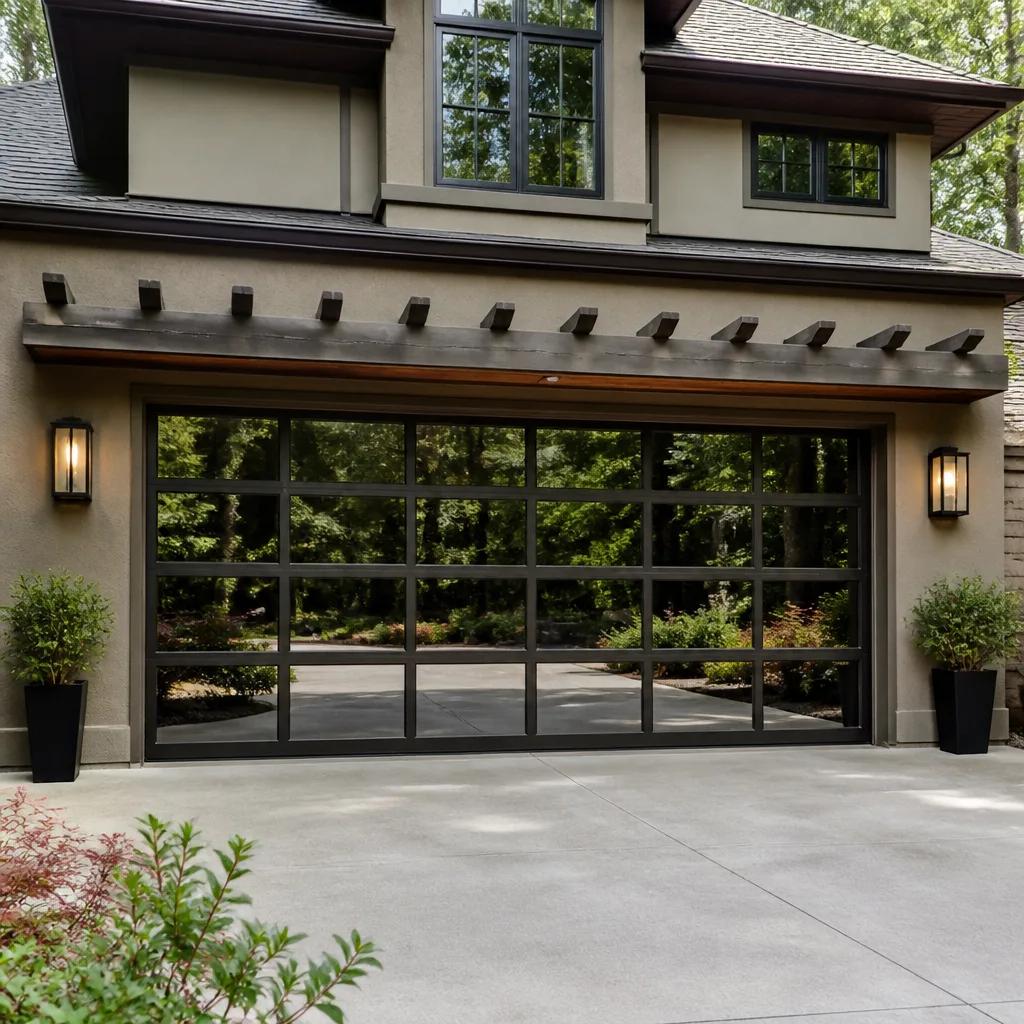 Full-view glass
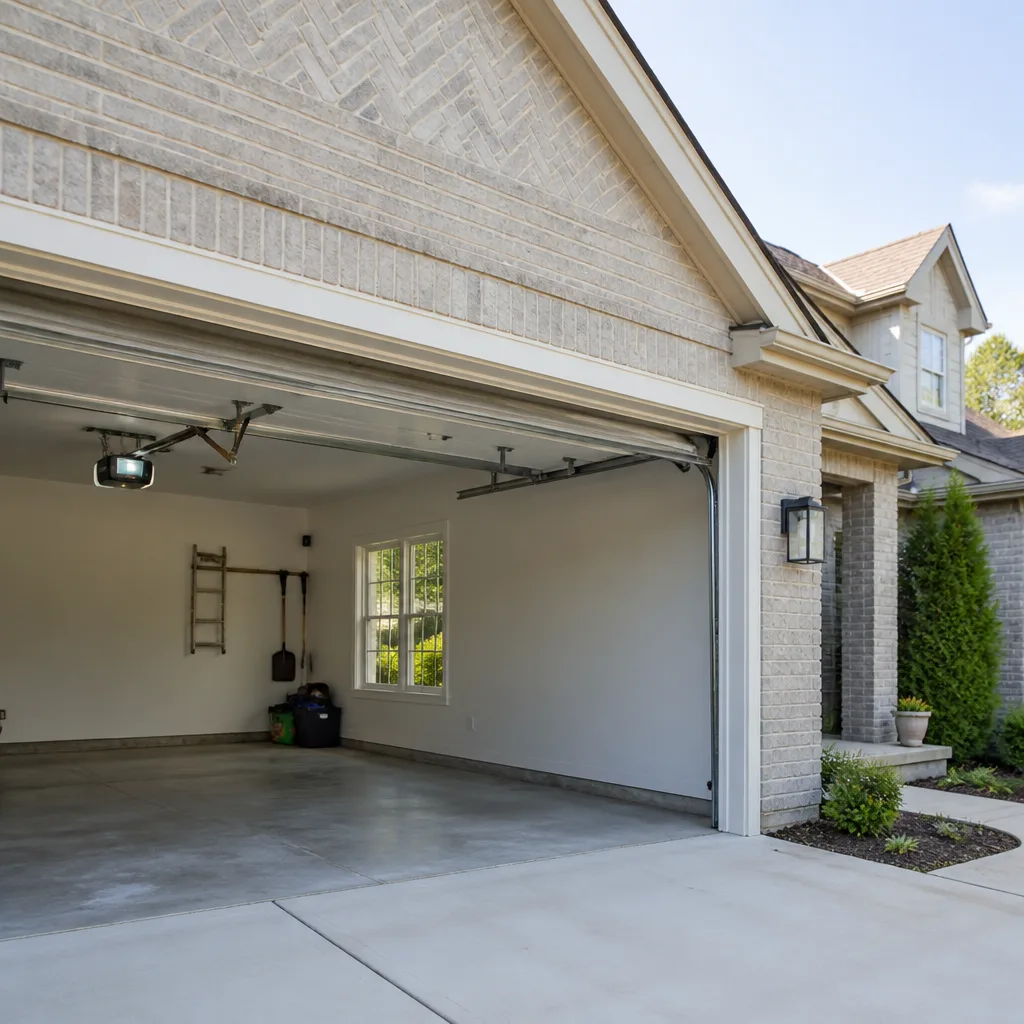 LiftMaster openers
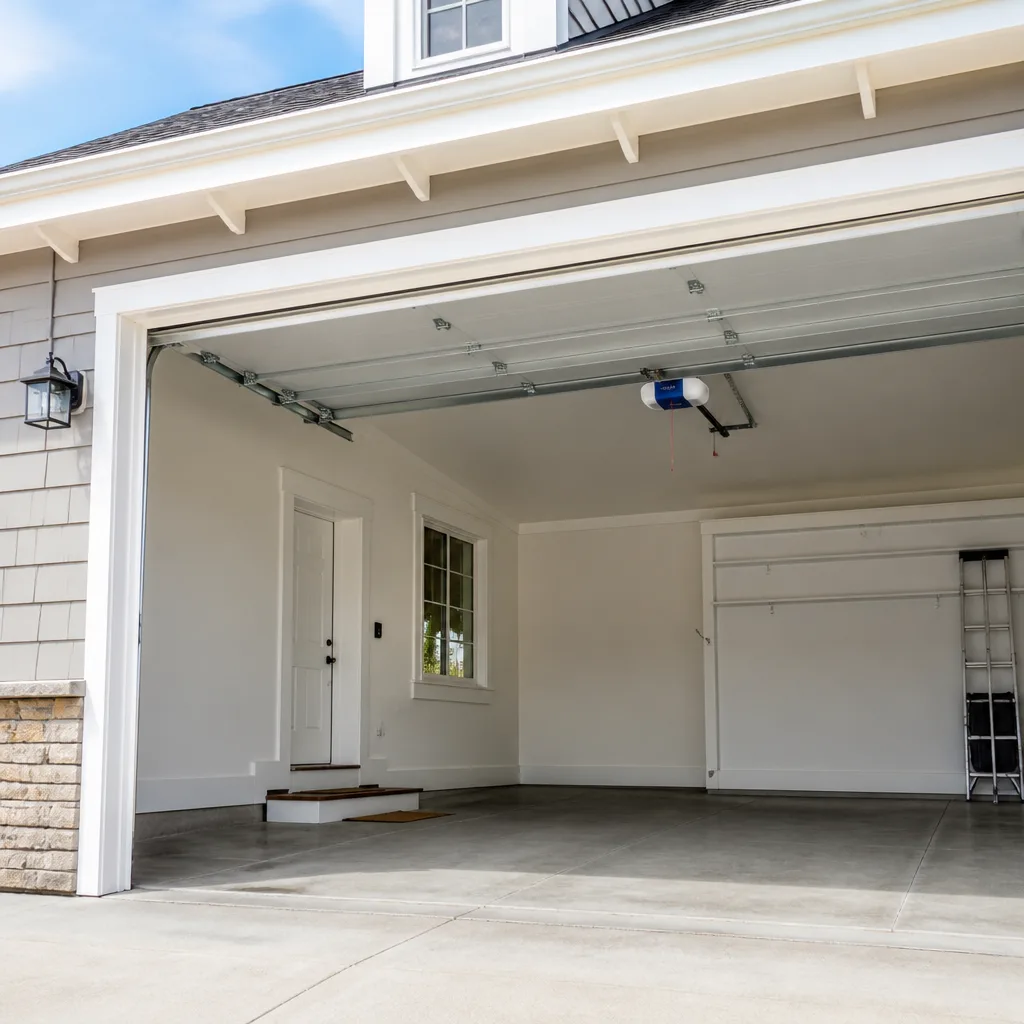 Chamberlain openers
Full 25-point door and opener safety check with every visit - springs, cables, rollers, tracks, and your LiftMaster or Chamberlain opener included
You get a price before we start. It does not change when the pro arrives.
Get your free estimateGarage Door Emergency Preparedness Guide for Atlantic City Homes
Most garage door advice assumes you have time. Time to search for a repair number, time to wait for a technician, time to sort out a door that simply stopped working on an ordinary afternoon. Atlantic City doesn’t always give you that. When a nor’easter tears through and the power goes with it, a garage door that won’t release becomes more than a nuisance. It can be the wall between you and your only working vehicle, or the open gap in your building’s envelope while wind-driven rain comes in sideways. What follows is storm-specific protocol for the failures that actually happen here: outage releases, debris strikes mid-storm, post-flood openers, and how to buy yourself secure hours before anyone can reach you. This guide is about response, not panic.
Quick Answer
During a garage door emergency in Atlantic City, the safest sequence is: stop operating the door, secure people and vehicles first, pull the manual release only if you understand how it re-engages, and call a specialist who knows your brand before you force anything. Power outages, storm debris, and post-flood conditions each require a different response, and the wrong move on a damaged door can turn a repair into a structural problem. We answer 24/7. Fast dispatch from 7am to 7pm, Sunday through Friday.
Styles & brands we work with
- Raised-panel steel
- Carriage house
- Modern flush
- Full-view glass
- LiftMaster openers
- Chamberlain openers
Table of Contents
- Why Atlantic City Garage Doors Face a Different Kind of Emergency
- Power Outages: Operating the Manual Release the Right Way
- Storm Debris and Damaged Panels: What to Do Mid-Storm
- Post-Flood Protocol: Before You Power the Opener Back Up
- Temporarily Securing a Compromised Door
- The 15-Minute Pre-Storm Checklist
- What Happens When You Call Us
- Safety Flags: When to Stop and Wait for a Technician
Why Atlantic City Garage Doors Face a Different Kind of Emergency
The emergencies we get called about in Atlantic City don’t look like the ones in national how-to articles. They cluster around weather events and the infrastructure that goes with them. Hurricane season and winter nor’easters bring sustained wind, horizontal rain, and the power cuts that follow. Building stock adds its own wrinkles. The city mixes older properties on the island’s residential blocks with mid-rise and low-rise buildings where a single garage serves several units, and a shared automated door that fails affects everyone behind it at once.
Two local conditions raise the stakes. First, the barrier island geography means a storm that shuts the bridges also slows everything on the island, including the response you might otherwise get from the mainland. Second, dense street-level flooding after heavy rain can make routine access difficult for a day or more. Neither of those is a reason to panic. They’re reasons to have a plan before the storm arrives, so you’re not improvising a response in the dark.
We treat Garage Door Repair Atlantic City as the front door to this conversation because most emergencies end there: a technician diagnosing the specific system in front of them. But diagnosis starts at home, with the homeowner understanding what’s happening and what not to touch. That’s the gap this guide fills.
Know what you own before you need to
Locate three things now, not during the storm: the opener’s brand and model label (usually on the back of the motor housing or inside the light cover), the manual release cord, and the door’s material and manufacturer. Clopay, Amarr, and Wayne Dalton labels are common on residential doors in this area, and each has its own panel and track characteristics. Knowing yours turns a blind panic call into a specific repair.
Power Outages: Operating the Manual Release the Right Way
When the power dies and your opener won’t lift the door, the manual release cord is what gets your car out. It’s also the single most common thing homeowners damage during an outage, because the cord is often never demonstrated at installation and the release mechanism has real limits. The cord disengages the door from the opener carriage so you can lift it by hand. It does not repair a door that’s already broken, and it must be re-engaged correctly or your opener will run uselessly while the door stays put.
Here’s the sequence that keeps you out of trouble:
- Confirm the power is actually out. Check that the opener’s light and wall control are dead, not just the remote. A dead remote battery is not an outage.
- With the door fully closed, locate the release cord. It hangs from the carriage on the opener rail. On some Genie and Chamberlain units a red handle makes it obvious.
- Pull the cord firmly toward the door, straight down and slightly toward the door’s header. This releases the carriage from the rail so the door moves freely by hand.
- Lift the door by hand slowly and evenly with both hands, holding at the bottom section. A properly balanced door lifts with modest effort. If it fights you or feels heavy, stop – the springs may be the real problem, and lifting a door with weak or broken springs is dangerous.
- Prop nothing under a lifted door. Close it fully after driving out. Never leave a disengaged door half-open to hold the car out; on a stormy night that’s a wind catch waiting to happen.
- When power returns, re-engage the carriage. Pull the cord again or run the opener once so the carriage reconnects. Test with the wall control, not the remote, and watch the full cycle.
The mistake that breaks things: pulling the cord while the door is open, or yanking it hard at an angle. That can damage the carriage or the release mechanism, and on some systems it can leave the door stuck in a disengaged state you can’t easily reset. If you’ve already done it, don’t force the opener. Call us and we’ll tell you how to get back to a safe state.
If the door is too heavy to lift by hand
Heavy lifting means the counterbalance system is compromised, and springs are the leading suspect. A door with a broken spring should not be operated by hand or by the opener. That’s the point to call a specialist rather than improvise. Our garage door spring repair service exists precisely for this: high-tension springs are the most dangerous component on the door, and they’re not a homeowner job.
Storm Debris and Damaged Panels: What to Do Mid-Storm
When flying debris dents or pierces a door panel while the storm is still passing, the instinct is to fix it or fully open the door to inspect. Don’t. Mid-storm the door is part of your building’s weather envelope, and a partially opened or overstressed door can catch a gust, twist on its tracks, or fail in a way that’s far worse than the dent. Your priority during the event is containment, not diagnosis.
What to do while the storm continues:
- Leave the door closed and the opener in its normal state unless a panel has visibly detached or is hanging free, in which case stop operating it entirely.
- Keep people and vehicles clear of the door’s path. A damaged door under tension can move without warning.
- Do not try to push, pull, or straighten a bent panel or track. Metal under spring tension can snap back and injure you.
- Note what you see. Which section is damaged, whether the track is bent, whether the door is still on its rollers. That information speeds up the repair.
What to do once the storm passes: inspect from a distance first. If the door is sitting square in the opening and moves freely by hand with the opener disengaged, you may have cosmetic damage. If it’s off its tracks, sagging, or won’t move at all, stop and call. Bent tracks and storm-shifted panels are a structural repair, not a touch-up, and forcing a door back onto a damaged track usually adds a second problem.
This is where brand knowledge matters. A Clopay or Amarr panel section isn’t a generic part; the profile, gauge, and color run are manufacturer-specific. Our technicians work with the actual components of whatever system is installed, which means the replacement section fits and matches.
Post-Flood Protocol: Before You Power the Opener Back Up
After street-level flooding recedes, the most expensive mistake is the one made in the first ten minutes: flipping the opener back on to see if it works. Water and debris in the opener’s motor housing or control board can cause electrical damage when power hits a wet circuit, and a garage door opener is an electrical appliance. The safe approach is inspection first, power second.
The check order that protects your equipment:
- Confirm the breaker feeding the garage is off before you go near the opener.
- Look for water lines or dampness on the motor housing, wall control, and photo-eye wiring. If any part of the opener has been submerged or soaked, do not power it.
- Check the photo-eye sensors at the door’s base. After flooding they’re the most likely to be full of silt or water, and a blocked sensor will stop the door from closing even if the motor is fine.
- Inspect the door’s bottom section and tracks for swelling, rust, or packed debris from the flood water. A swollen bottom panel can bind the whole door and overwork the opener.
- Test the door by hand with the opener disengaged before you re-engage and power up.
- Only then restore power and run a full open-close cycle, watching the door the whole way. If anything sounds strained or the door stops short, shut it off and call.
If your opener is a smart or WiFi-enabled model from LiftMaster, Chamberlain, Genie, or Craftsman, don’t rely on the app to tell you it’s fine. Electronics that took on water can behave unpredictably for a while before failing completely. A professional inspection is the safer bet, and our garage door opener repair team diagnoses the control board and motor rather than guessing.
Temporarily Securing a Compromised Door
Sometimes a technician can’t reach you immediately: a bridge closure, a flooded approach, or a backlog after a major storm. In those hours you need the door to hold, and the difference between a temporary fix that helps and one that hurts is whether it adds stress to a system already under load.
Methods that work:
- Close the door fully and leave it closed. A closed door is your best security. Self-locking rollers hold a closed door in its tracks.
- Brace the door from the inside with a length of lumber laid across the bottom section if the door is bowing or trying to lift. This distributes force without adding weight to a single point.
- Secure the manual release cord out of reach so nobody – especially a child – pulls it and lets a compromised door drop.
- Block the door’s path with your vehicle inside the garage only if doing so doesn’t trap anyone. Never park in front of a door that’s on damaged tracks.
Methods that create more risk:
- Propping a door open with a broom handle, brick, or piece of wood to “vent” the garage. Wind, kids, or pets knock these out and the door falls.
- Tying a damaged door shut with rope or straps across the outside. That’s a false sense of security and can mar panel finishes; it doesn’t add structural strength.
- Screwing or drilling into a panel or track to hold it. You’ll void any warranty and can crack the panel.
- Disconnecting the opener and walking away without checking that the door is fully seated in its tracks.
If you’re unsure whether your improvised fix is safe, call us and describe it. We’d rather talk you through a safe hold than have you hurt yourself or damage the door further. Our technicians have up to 13 years of experience with the exact failure modes these storms create.
The 15-Minute Pre-Storm Checklist
This is the highest-value section in this guide. Fifteen minutes of prep before a named storm materially reduces your odds of an emergency call at 2am. Run it when the forecast turns serious and the bridges are still open.
- Test the manual release now, while power is on. Disengage and re-engage the carriage once so you know the cord works and how it feels. Re-engage before the storm.
- Clear the path in front of and behind the door. Debris, tools, and stored items become windborne projectiles or block your exit.
- Check the door’s balance by hand with the opener disengaged. A door that lifts easily to halfway and stays put is balanced. One that drops or fights you needs attention before the storm.
- Inspect springs, cables, and hinges visually. Rust, fraying, or a visible gap in a spring coil is a red flag. Never touch a spring under tension; note it and call.
- Lubricate the rollers, hinges, and tracks with a proper garage door lubricant. A dry door is a stiff door when the temperature drops.
- Test the photo-eye sensors by passing an object through the beam and confirming the door reverses. Silt and debris after heavy rain can block them.
- Charge backup batteries and confirm your opener’s battery backup works if your model has one. Many newer openers do.
- Note the opener model and door brand on your phone. When you call, that single detail saves time on diagnosis.
- Close the door and leave it closed through the storm. Don’t leave it partway open overnight during high wind.
For homeowners in the mid-rise buildings along the island, add one more: confirm with the building’s management that the shared door’s opener has been serviced and that the release cord is accessible from the interior. In a shared garage, one unserviced door becomes a building-wide emergency.
Why this matters more in Atlantic City
Storms here arrive with little warning and hit a barrier island where access tightens fast. Every minute of prep before the forecast turns is worth several after. The door is your home’s largest moving part, and it’s also your storm shield. A door that’s adjusted, lubricated, and understood will get you through a power cut far better than one you’ve never tested.
What Happens When You Call Us
You call (877) 696-4577. We answer 24/7. Fast dispatch from 7am to 7pm, Sunday through Friday. We’re closed Saturday, and a call outside dispatch hours is booked into the next opening. That’s not a brush-off; it’s how we make sure a trained technician actually shows up rather than a phone bank promising a callback.
When you call, have three things ready if you can: the opener brand and model, the door’s brand if you know it, and a one-sentence description of the symptom (“won’t close,” “came off the track,” “spring broke with a bang”). That helps us bring the right knowledge, not just the right tools. Our technicians have up to 13 years of experience, and every one of them works exclusively on garage doors – not roofing, not plumbing on the side. That focus is why we can diagnose a brand-specific problem quickly.
We handle garage door repair and full garage door opener repair as dedicated services, not add-ons. The price is quoted and agreed before any work starts, and the written estimate sets the final price. The estimate is free. No service-call fee, no surprise at the end.
Safety Flags: When to Stop and Wait for a Technician
Some situations have a clear line between “call us” and “don’t touch that.” Here’s where the line sits for a garage door system.
- A broken or sagging spring. The springs are under extreme tension and the most dangerous part of the door. Never attempt a repair. We treat garage door spring repair as a standalone safety-critical service for exactly this reason.
- Frayed or detached cables. Cables hold the spring system together; a snapped cable can lash out. Stop operating the door.
- A door off its tracks or leaning out of plane. Moving it can drop it. Leave it and call.
- Water in the opener or its wiring. Keep it powered off until it’s been inspected.
- A door that reverses or drops unexpectedly. That’s an adjustment or sensor problem, but it’s an injury risk until it’s fixed.
In any of those cases, a trained professional is the right call, not a neighbor with a wrench. The risks are real and the repair is fast.
Common Mistakes to Avoid
- Yanking the manual release cord at an angle or while the door is open. It damages the carriage or release mechanism, leaving you stuck with a door you can’t re-engage without help.
- Flipping the opener on after a flood without inspecting first. Wet wiring and control boards can fail or short when power hits, turning a wet opener into an electrical problem.
- Forcing a storm-damaged door back onto bent tracks. It bends the track further and can drop the door. Secure it and call.
- Propping a door open during or after a storm. A brick or broom handle doesn’t hold under wind or gravity, and the door can fall on someone.
- Ignoring a door that’s gotten heavy to lift by hand. In Atlantic City’s storm season, a weak spring becomes a total failure at the worst moment. Get it looked at when the forecast is calm.
- Relying on a smart opener’s app to confirm the door works after water exposure. The electronics can behave unpredictably after water damage; a physical inspection is the only real test.
- Not knowing your brand. A Clopay panel and a Wayne Dalton panel aren’t interchangeable. Knowing your system’s make speeds up the right repair parts and prevents mismatched work.
See the difference
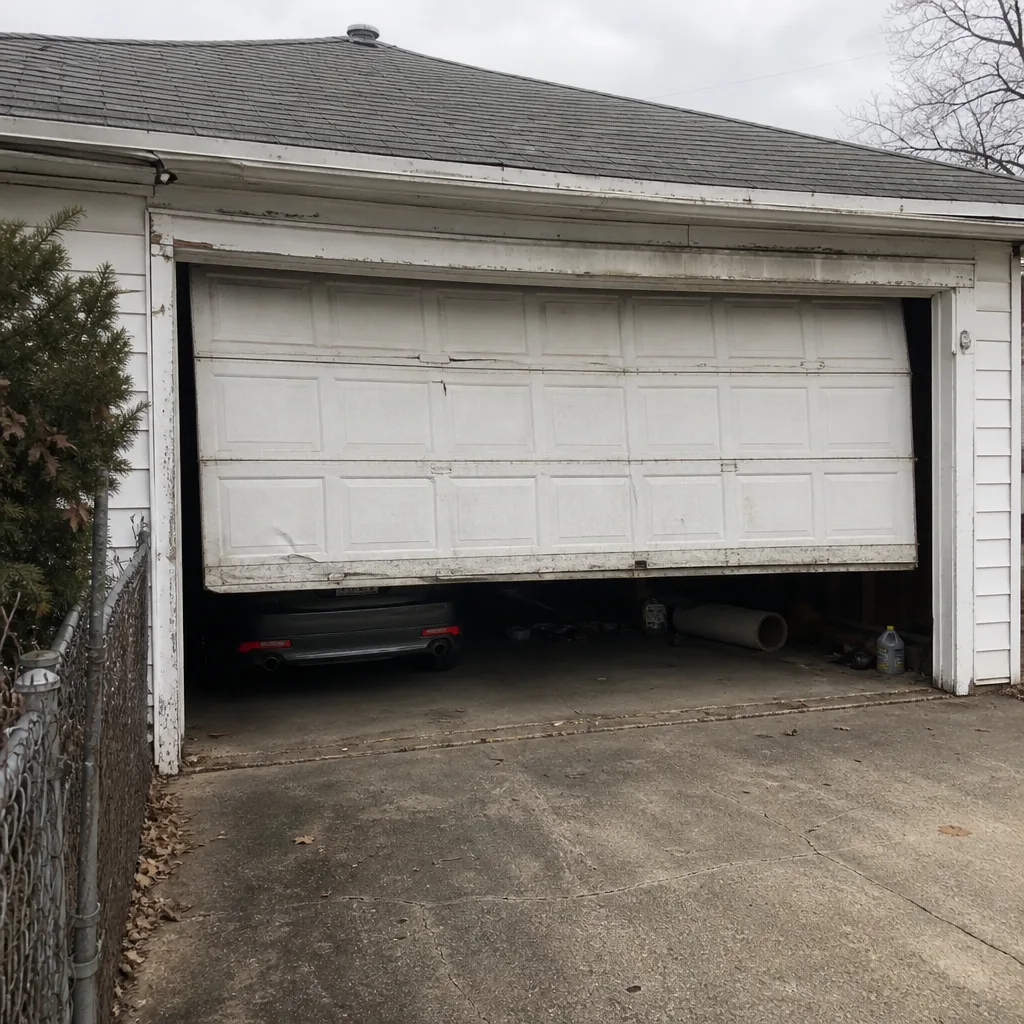 Before
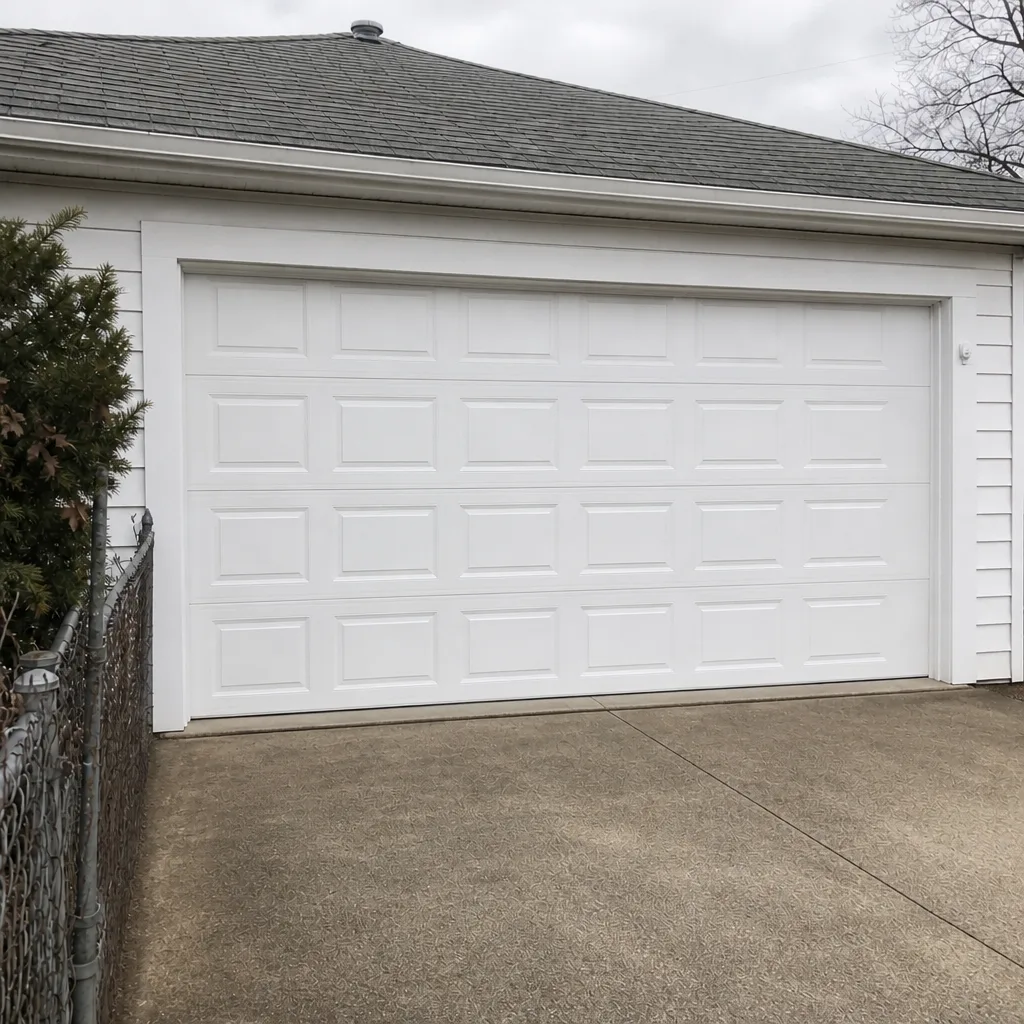 After
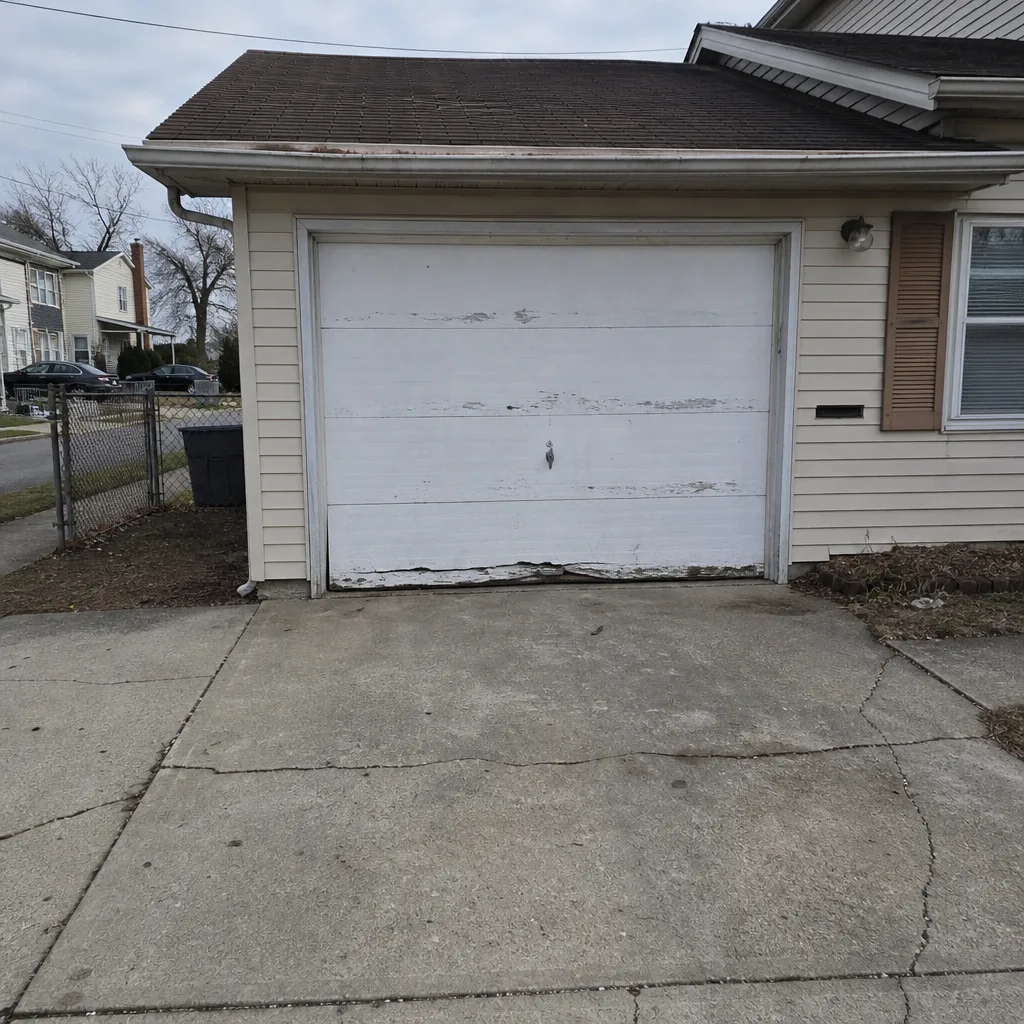 Before
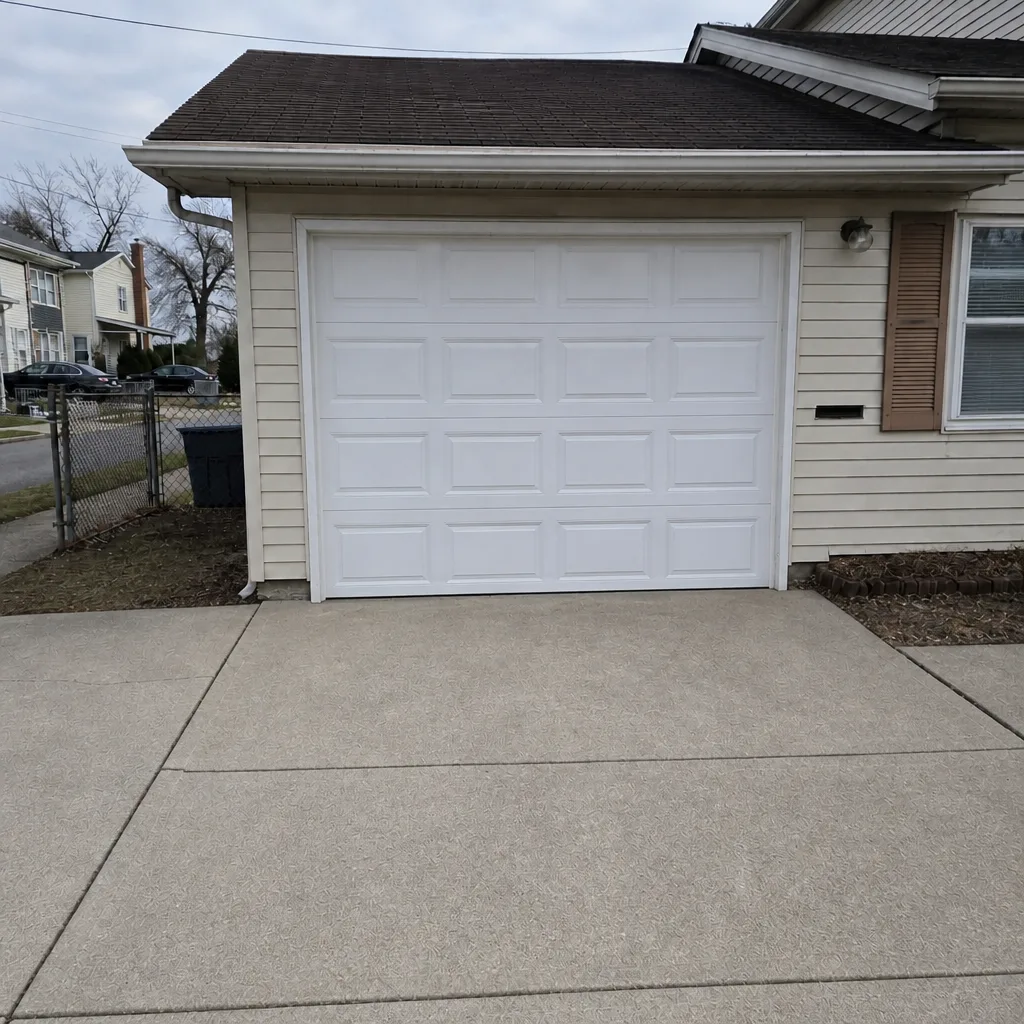 After
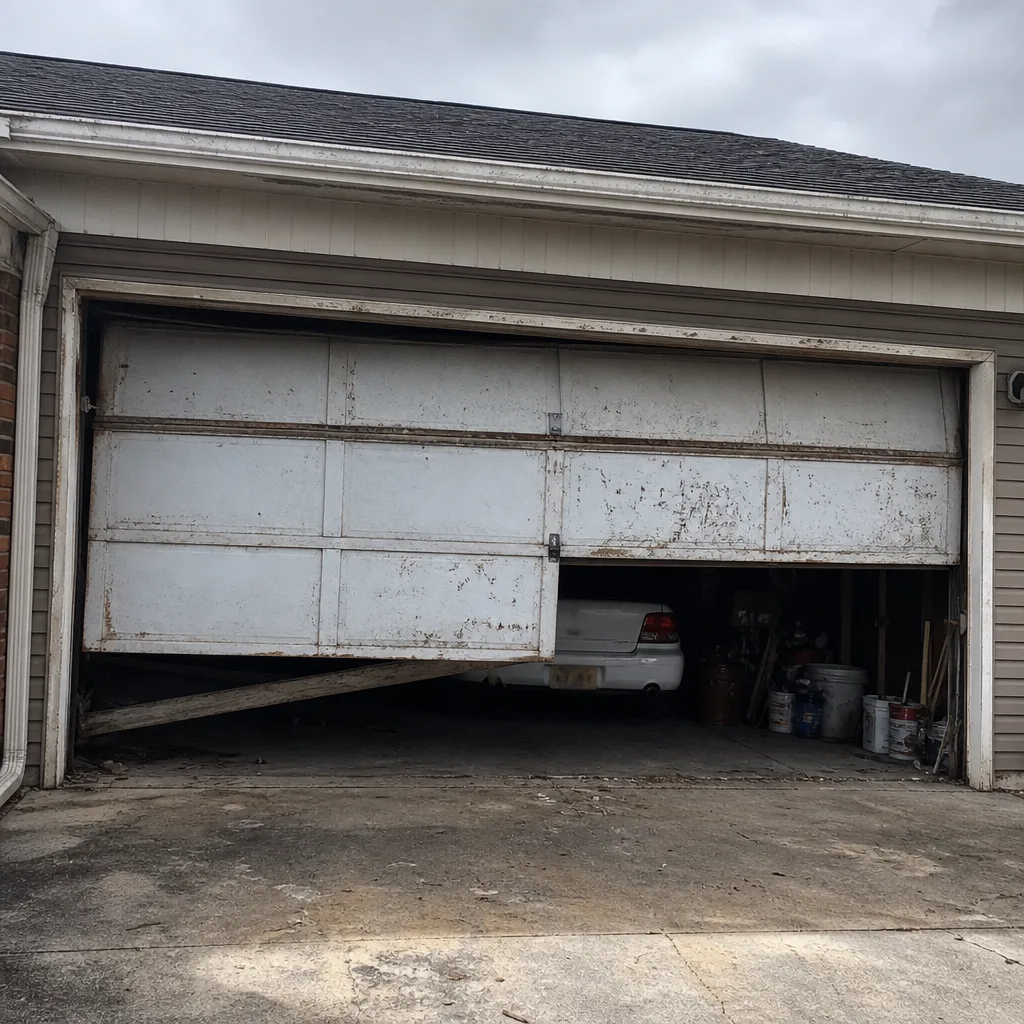 Before
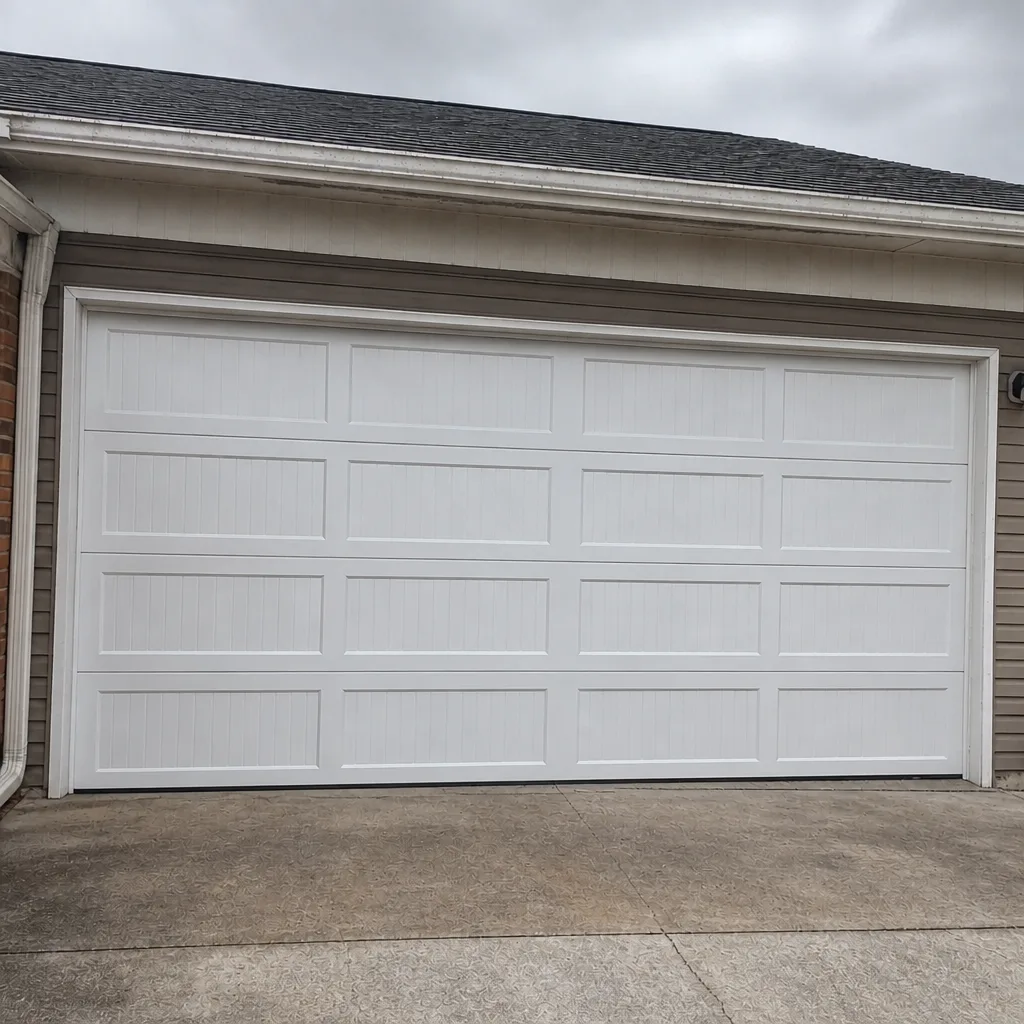 After
When to Call a Professional
Call a specialist when any of the following is true: the door won’t fully close or opens on its own, a spring or cable is broken or visibly compromised, the door is off its tracks, the opener is flooded or won’t respond after a power event, or a storm has damaged a panel or bent a track. Also call when you don’t know – a symptom you can’t name is still worth a diagnosis. None of these get better with a DIY attempt, and several can get worse. Garage Door Repair Atlantic City offers free estimates in Atlantic City – call (877) 696-4577. We answer 24/7. Fast dispatch from 7am to 7pm, Sunday through Friday.
Frequently Asked Questions
Pull the manual release cord on the opener carriage, straight down and slightly toward the door, with the door fully closed. That disengages the carriage so you can lift the door by hand. If the door is too heavy to lift, stop and call a specialist – weak or broken springs make hand operation dangerous. Call (877) 696-4577 for guidance. We answer 24/7.
No. If a panel is visibly bent, pierced, or hanging, leave the door closed and keep people clear until the storm passes. Opening a damaged door mid-storm can catch wind and twist the tracks or drop the door. Note the damage and call once it’s safe. (877) 696-4577.
Not until it’s been inspected. Keep the breaker off, check the motor housing and sensors for water and debris, and test the door by hand first. Powering a wet opener can damage the control board or create an electrical hazard. Call (877) 696-4577 for a proper diagnosis.
For emergencies where security or access can’t wait, we offer emergency service with same-day response whenever possible. Fast dispatch runs 7am to 7pm, Sunday through Friday. Call (877) 696-4577 and we’ll tell you the realistic timing. We’re closed Saturday.
No. The price is quoted and agreed before any work starts, and the written estimate sets the final price. The estimate is free. Call (877) 696-4577 for an exact quote.
Yes. We work on LiftMaster, Chamberlain, Genie, Clopay, Amarr, Wayne Dalton, Craftsman, and Raynor systems, including modern WiFi-enabled openers. Knowing your exact brand and model lets us bring the right knowledge and parts. Call (877) 696-4577.
The Bottom Line
Garage door emergencies in Atlantic City are mostly storm-shot and mostly preventable. Learn your manual release before you need it, don’t operate a damaged door mid-storm, inspect a flooded opener before restoring power, and secure a compromised door with bracing rather than rope. Run the 15-minute pre-storm checklist when the forecast turns. When the door is off its tracks, a spring is broken, or the opener took on water, stop and call a specialist – those are not homeowner repairs. We answer 24/7. Fast dispatch from 7am to 7pm, Sunday through Friday. Call (877) 696-4577 for a free estimate.
Written by the team at Garage Door Repair Atlantic City.