
Last updated November 23, 2026
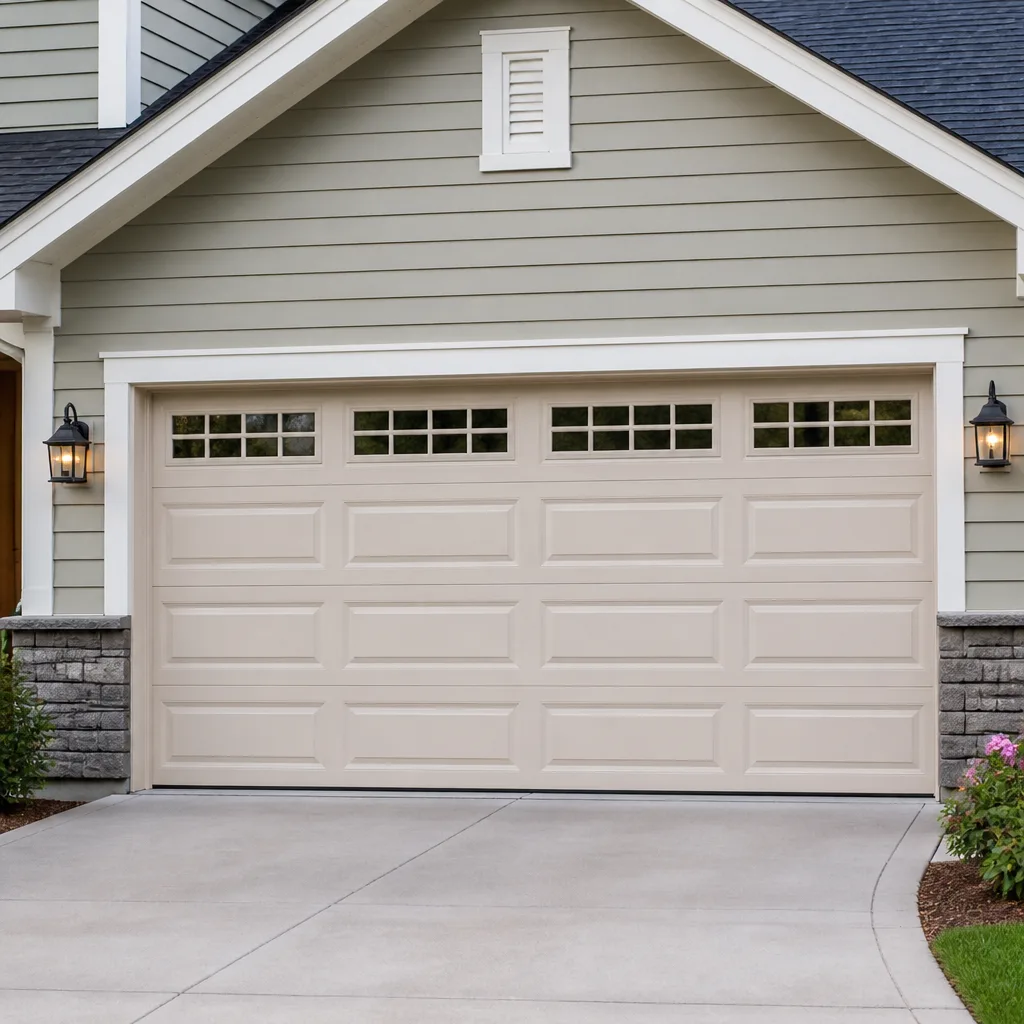 Raised-panel steel
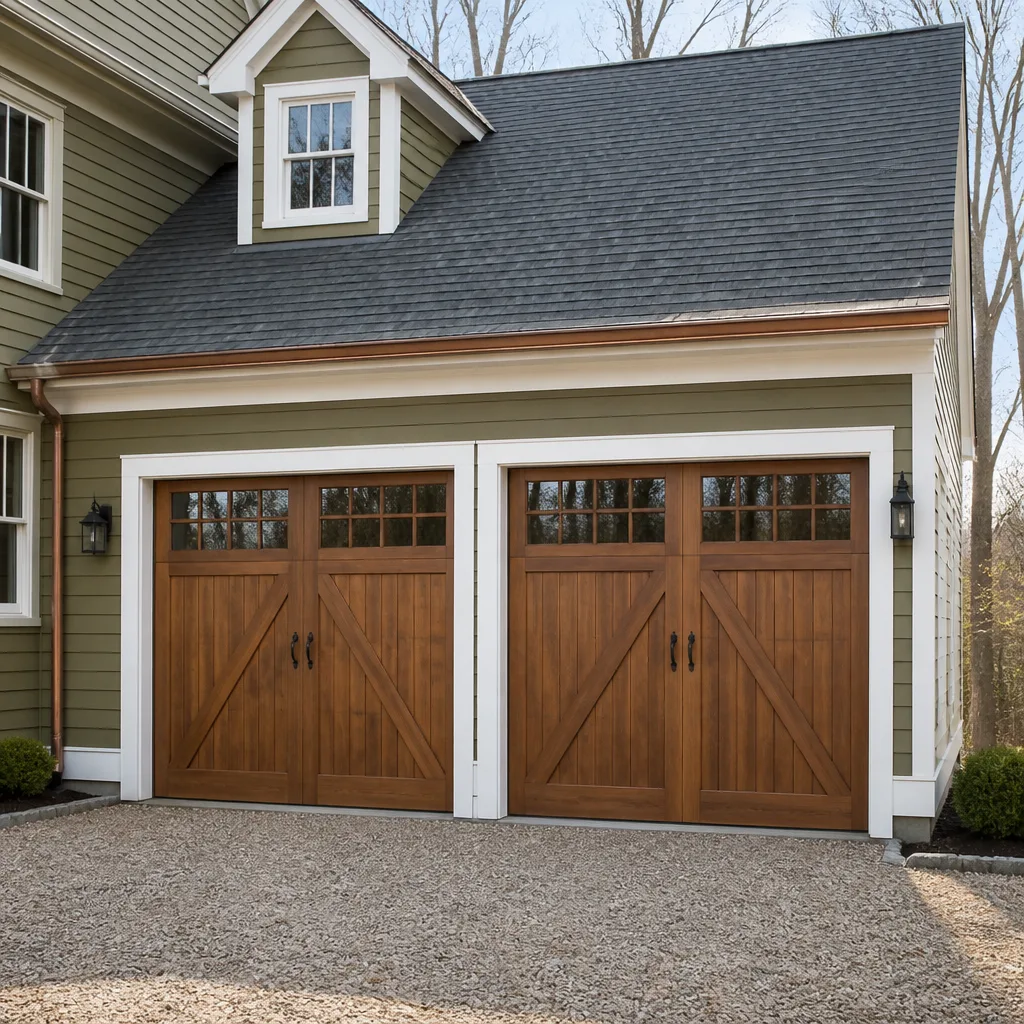 Carriage house
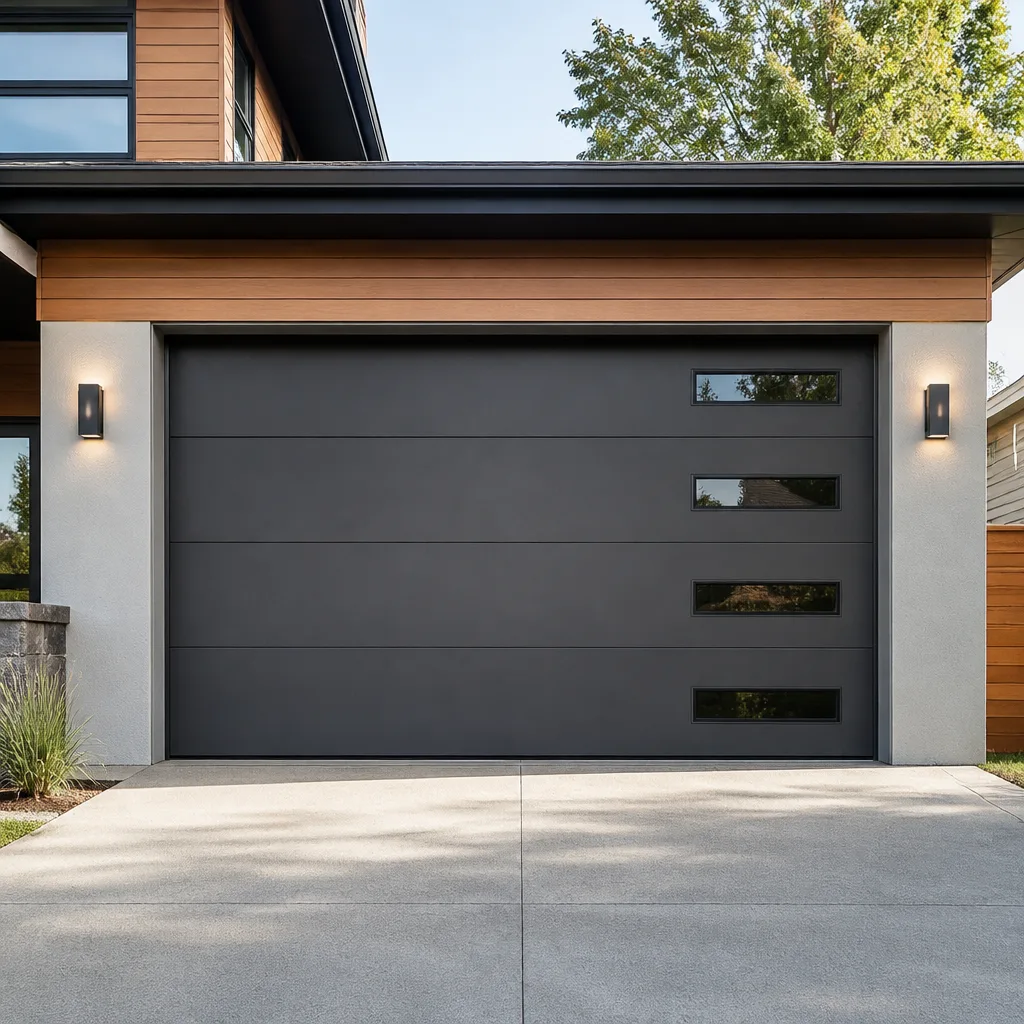 Modern flush
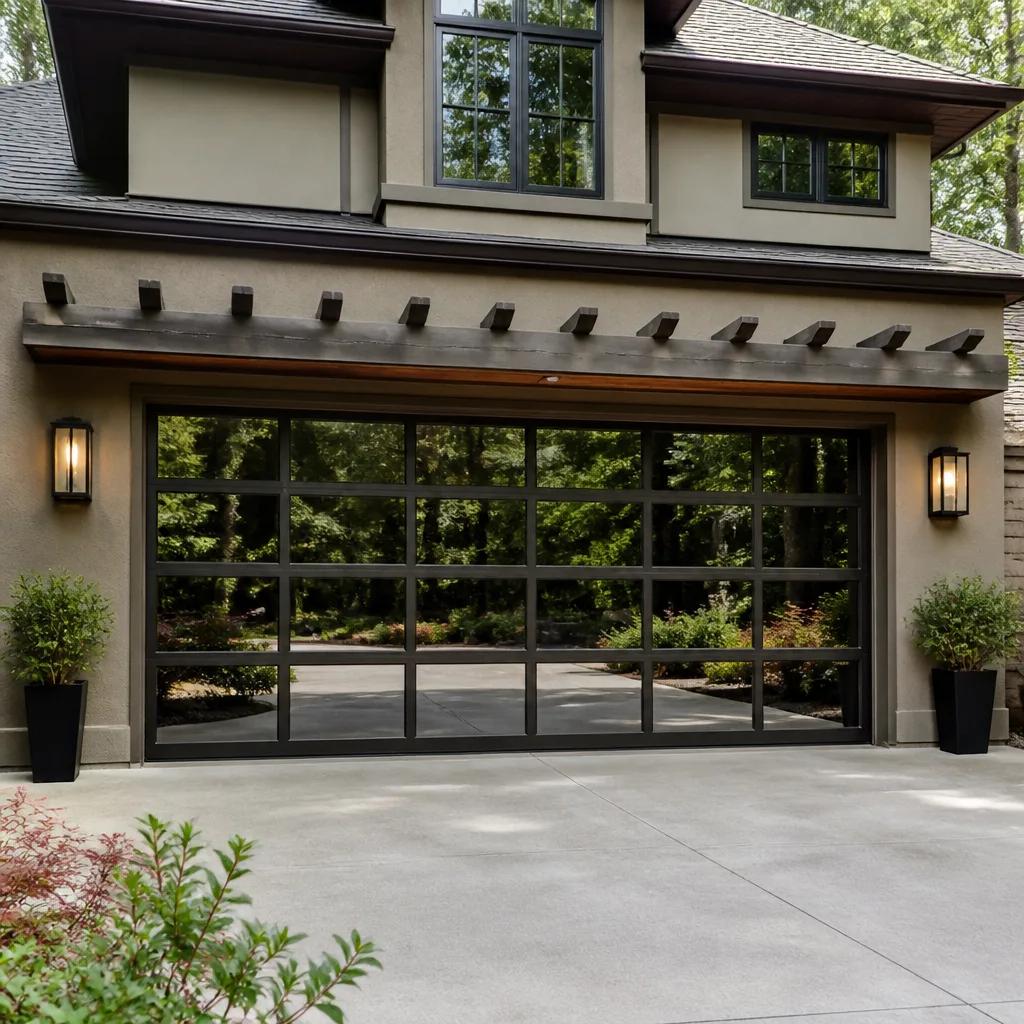 Full-view glass
 LiftMaster openers
 Chamberlain openers
Full 25-point door and opener safety check with every visit - springs, cables, rollers, tracks, and your LiftMaster or Chamberlain opener included
You get a price before we start. It does not change when the pro arrives.
Get your free estimateSeasonal Garage Door Care for Atlantic City: Year-Round Homeowner’s Guide
Most garage door maintenance advice you’ll find online was written for a climate that gets four even seasons and a dry winter. Atlantic City doesn’t work that way. Here, the door faces a hurricane prep window in late summer, a nor’easter season that runs through winter, a humid stretch in July and August that works on every seal and hinge, and a freeze-thaw cycle that quietly destroys bottom rubber before anyone notices. A spring-and-fall tune-up built for the Midwest misses all of it. This guide maps the actual maintenance calendar for Atlantic City – what to check, when to check it, and what to leave to a trained technician. By the end, you’ll know how to protect your door through a full Atlantic City year.
Quick Answer
Seasonal garage door care in Atlantic City means four checkpoints, not two: a hurricane-prep inspection in late spring and early summer, a humidity and lubrication pass in July and August, a weatherstripping and hardware check in fall before the first freeze, and a post-storm inspection after each nor’easter. The single most important habit is a monthly visual check of springs, cables, rollers and the bottom seal – many of the failures we see on Atlantic City doors start small and stay invisible until the door stops working. Never adjust springs or cables yourself; those are the two most dangerous components on your home’s largest moving part.
Styles & brands we work with
- Raised-panel steel
- Carriage house
- Modern flush
- Full-view glass
- LiftMaster openers
- Chamberlain openers
Table of Contents
- Why Atlantic City’s Climate Breaks the Standard Maintenance Calendar
- Pre-Hurricane Season Checklist (June)
- Summer Humidity Tasks: Lubrication, Wood and Seals
- Fall Transition: Weatherstripping Before the First Freeze
- Winter Specifics: What Actually Freezes and How to Free It Safely
- Post-Nor’easter Spring Inspection Points
- The Atlantic City Garage Door Maintenance Calendar at a Glance
- Common Mistakes to Avoid
Why Atlantic City’s Climate Breaks the Standard Maintenance Calendar
The generic “tune up in spring and fall” advice assumes a long, dry winter and a mild summer. Atlantic City gets neither. Our winters swing above and below freezing repeatedly, which means water gets into seams, freezes, expands and thaws – over and over – until a seal tears or a bolt works loose. Our summers sit in high humidity for weeks, which accelerates wear on rollers, hinges and any exposed metal on the door and track. And our storm season is genuinely two seasons: tropical systems in late summer and early fall, nor’easters from late fall through early spring.
Add in the road salt that lingers on driveways through the winter months, and the picture gets clearer. Salt doesn’t just sit on the concrete – cars track it onto the door’s bottom section, the bottom seal, and the lower tracks. That’s where rust shows up first. We’ve seen Atlantic City doors where the bottom bracket and lower hinge were significantly corroded while the rest of the door looked fine, simply because the owner only ever looked at the top half.
The result is that Atlantic City homeowners need four seasonal checkpoints instead of two, plus a quick inspection after every named storm. That’s the structure this guide follows. None of it is difficult, and most of the tasks take under twenty minutes. The point is doing them in the right order and at the right time of year.
Pre-Hurricane Season Checklist (June)
Hurricane season in New Jersey officially runs from June through November, with the highest risk in late August and September. That makes June the right month to inspect and prepare, before the first tropical system forms. The goal isn’t to hurricane-proof a standard residential door – most Atlantic City homes have doors built to normal wind loads, not impact-rated standards – but to catch the weaknesses that high wind will find first.
What to check in June
- Check the door’s bracing and hinges. Look at the center stile and the hinges where the sections connect. Loose hinges are the first thing that fails in wind. If a hinge wiggles when you touch it, note it and have it tightened or replaced before storm season.
- Test the opener’s battery backup. Many modern openers – including LiftMaster, Chamberlain and Genie units – have a battery backup that lets the door run when the power is out. Press the wall button after switching the breaker off briefly to confirm the backup engages. A dead backup battery in a storm means no way to open the door if you need to get a car out.
- Look at the door’s wind rating documentation. If your door was installed with a specific wind-load rating, that rating only holds if the door is properly braced and the tracks are undamaged. Sagging or bent tracks cancel the rating entirely.
- Clear the tracks of debris. Small branches, leaves and grit from spring storms collect in the track and cause the door to bind, which stresses the opener and the springs.
- Check the door balance. Pull the release handle and lift the door halfway. It should stay put. If it drops or rises on its own, the springs are out of balance and need a professional look before storm season.
If the balance check fails or the tracks are bent, don’t wait for the storm to finish the job. Call (877) 696-4577 for an inspection. We answer 24/7. Fast dispatch from 7am to 7pm, Sunday through Friday, and we’ll tell you exactly what needs to happen before the next system comes through.
Summer Humidity Tasks: Lubrication, Wood and Seals
July and August in Atlantic City bring weeks of high humidity, and that’s when lubrication schedules change. A dry climate allows for two or three lubrication passes a year. Here, we recommend a pass at the start of the humid stretch and another at the end, plus a light touch-up on the rollers and hinges after any heavy rain.
What needs attention in the humid months
- Hinges, rollers and torsion springs. Use a garage-door-specific lubricant, not general-purpose grease or WD-40. Grease attracts dirt and grit, and WD-40 evaporates and leaves metal dry. A proper door lubricant stays put without collecting debris.
- Wood doors swell in humidity. If you have a wood or wood-composite door, watch for sections that stick or rub in August. Swelling wood can bind against the tracks, and the opener has to work harder to force it through. If you notice the door laboring, the door’s fit needs adjustment, not the opener’s force setting.
- Fiberglass and steel door seals degrade. Look at the joint between the door’s outer skin and its inner frame. Fiberglass can delaminate slightly at the edges in high humidity, and steel skins can trap moisture between the layers if the edge seal has gone.
- Check the opener’s motor housing for condensation. A very humid garage can condense water inside an opener’s housing during temperature swings. If you see moisture on the housing or the opener is behaving erratically, it needs a look.
- Wipe down the bottom seal with a damp cloth. Grit that collects on the bottom rubber during the summer scratches and degrades the seal much faster than in dry climates.
If you have a smart or WiFi-enabled opener – a Chamberlain MyQ, a Genie Aladdin, a LiftMaster with myQ built in – this is also the season to test the app connectivity. A garage that is humid inside can fog the sensors more often, which triggers false obstacle detection. That’s a real problem when you’re trying to close the door on a wet evening. Our garage door opener repair team works on both legacy and smart systems across those brands and will diagnose a sensor problem properly instead of turning up the sensitivity and hoping it stops.
Fall Transition: Weatherstripping Before the First Freeze
The three weeks between the first cool nights and the first hard freeze are the most important maintenance window of the Atlantic City year. Weatherstripping and bottom seals have to be checked before the freeze-thaw cycle starts, because a cracked seal becomes a burst seal once water gets into it and freezes.
The fall checklist
- Inspect the bottom seal for cracks, flat spots and gaps. Run a hand along the length of the bottom rubber and look for stiff sections. A stiff section won’t flex and seal against the floor, and that’s where water gets in and freezes.
- Check the side and top weatherstripping on the door frame. Any gap lets cold air in and lets moisture get behind the strips.
- Look for rust on the lower hinges, bottom bracket and lower track. Rust accelerates in the fall because wet leaves and road salt accumulate. Clean and lubricate before the first freeze.
- Clear road-salt residue from the bottom section and lower track. A damp cloth with a mild cleaner works; don’t use an abrasive on painted steel or you’ll remove the coating and create a rust point.
- Test the door’s auto-reverse. Place a roll of paper towels under the door’s path and let it close. The door should reverse immediately. If it doesn’t, the opener needs adjustment or service.
- Test the safety sensors. Both photo-eye sensors should be lit and clean. Any flicker or dead LED means the sensors aren’t working, and the opener will refuse to close the door.
If the bottom seal is shot, get it replaced now rather than in January. We handle garage door repair across Atlantic City and can replace a bottom seal without replacing the whole door – and on a Wayne Dalton or Amarr door, we’ll match the replacement seal to the original profile.
Winter Specifics: What Actually Freezes and How to Free It Safely
Homeowners usually worry about the wrong thing in winter. The springs don’t freeze. The opener motor doesn’t freeze. What actually freezes are the contact points: the bottom seal bonding to the concrete, the photo-eye sensors getting fogged or snow-packed, and the roller hinges icing up where water collects.
What actually freezes on an Atlantic City garage door
- The bottom seal sticking to the driveway. Water pools under the door and freezes overnight, gluing the seal to the concrete.
- The safety sensors. Snow, slush and road spray pack into the sensor housing and the opener won’t close the door because it thinks there’s an obstacle.
- Roller hinges. Water that collected in a hinge during the fall freezes and the hinge stops pivoting.
- The door itself, in extreme cases. A door with a failed bottom seal can take on water at the bottom edge and freeze solid against the floor.
How to safely free a frozen door
First, don’t force it. If the door is frozen to the ground and the opener keeps pushing, the opener’s force setting will strain against the frozen seal and can damage the opener’s gear and rail. Stop pressing the button.
- Release the opener. Pull the red emergency release handle so the door is disconnected from the opener.
- Break the seal gently. Use a plastic scraper or a wedge – not a metal bar or screwdriver – to work along the bottom seal and break the ice bond. Never lever against the door panel itself; you’ll bend the section.
- Warm the seal. A hair dryer on low, moved along the seal, will thaw the ice without damaging the rubber. Don’t use a heat gun or a torch; you’ll melt the seal or crack the door’s paint.
- Clear the sensors. Wipe snow and ice off the photo-eyes on both sides of the door. Test the door closes correctly before you reconnect the opener.
- Reconnect and test. Re-engage the opener and run the door through one full open and close cycle, watching for anything that sounds strained.
If the door won’t break free, or the opener is making a grinding noise, call (877) 696-4577. We handle garage door spring repair on winter-locked doors, and we’ll tell you honestly whether a thaw-and-adjust will solve it or the door needs a component replaced. Spring replacement is not a DIY job, and winter is the worst possible time to try.
Post-Nor’easter Spring Inspection Points
After every nor’easter, there’s a window of a few days where small damage is obvious if you look, and invisible if you don’t. The two things we see most on Atlantic City doors after a storm are bent or twisted tracks and rust that accelerated under wet salt residue.
What to inspect after a storm
- Tracks. Run a hand along the inside of each vertical and horizontal track. Any dent, kink or bend means the rollers are going to catch. A bent track stresses the opener and the springs and, if left alone, will eventually cause a roller to jump out.
- Rollers. Look for rollers that have popped out of the track or that are visibly worn. Storm vibration can shake a loose roller out of position.
- The door panels. Check for dents from flying debris and, more importantly, for any sign that the panel’s structural ribs have bent. A bent panel doesn’t hold its wind rating.
- Rust on the lower section and hardware. Road salt and storm spray accelerate rust. Wipe down, dry, and lubricate.
- The opener rail and mounting hardware. The opener’s mounting bracket is usually anchored to the ceiling joists. Check for any movement in the bracket – storm vibration can loosen it.
If any of these checks turn up a problem, call us before trying another cycle. A track that’s slightly bent can be straightened, but a track that’s been run with a bent section needs replacing. Our Garage Door Repair Atlantic City team diagnoses the actual cause instead of replacing parts until the noise stops.
The Atlantic City Garage Door Maintenance Calendar at a Glance
Here’s the whole year on one page. Print this, tape it inside the garage, and check off each item as you do it.
| Season | When | Key Tasks |
|---|---|---|
| Late Spring | June | Hurricane prep: bracing, hinge check, battery backup test, track clearing, door balance |
| Summer | July-August | Lubrication pass, wood door swelling, fiberglass seal check, bottom seal wipe-down, smart opener test |
| Fall | Late Sept – Oct | Weatherstripping and bottom seal inspection, rust check, road salt removal, auto-reverse and sensor test |
| Winter | Nov – Feb | Freeze-thaw checks, safe thawing of a stuck door, hinge icing, sensor clearing after snow |
| Post-Storm | After each nor’easter | Track inspection, roller check, panel integrity, rust acceleration check, opener mounting |
| Monthly (Year-Round) | Any time | Visual check of springs, cables, rollers, hinges and bottom seal |
Common Mistakes to Avoid
The mistakes we see on Atlantic City doors usually fall into the same handful of patterns. Avoiding them costs you almost nothing; making them costs you an emergency call and, in some cases, a safety hazard.
- Lubricating with general-purpose grease or WD-40. Grease collects grit in the humid Atlantic City summer, and WD-40 evaporates. Neither is a door lubricant. Use a door-specific product on hinges, rollers and springs.
- Skipping the pre-hurricane inspection because “the door looks fine.” The two most common causes of wind damage – loose hinges and bent tracks – are invisible until the wind finds them. A ten-minute June check catches both.
- Forcing a frozen door open with the opener. On the first hard freeze of the Atlantic City winter, a stuck seal is common. Forcing the door strains the opener’s gear and can crack the bottom section. Release the opener and thaw the seal first.
- Ignoring a single rusty hinge. One rusty hinge is the first sign that salt residue is accumulating on the door. Left alone, the rust spreads along the bottom section until the door needs a replacement section rather than a new hinge.
- Testing the balance by holding the door with the opener engaged. The balance check only works with the door released from the opener. If you pull the door with the opener engaged, you’re testing the opener, not the springs.
- Adjusting the force setting on the opener instead of fixing the cause. When a door labors, the cause is usually a swollen wood panel, a dry hinge or a bent track – not a force setting that needs more power. Turning up the force setting just stresses the opener to cover up a real problem.
- Assuming track damage is cosmetic. A bent track can look minor from outside but causes the rollers to wear unevenly and the door to pull on the springs. It’s never just cosmetic.
See the difference
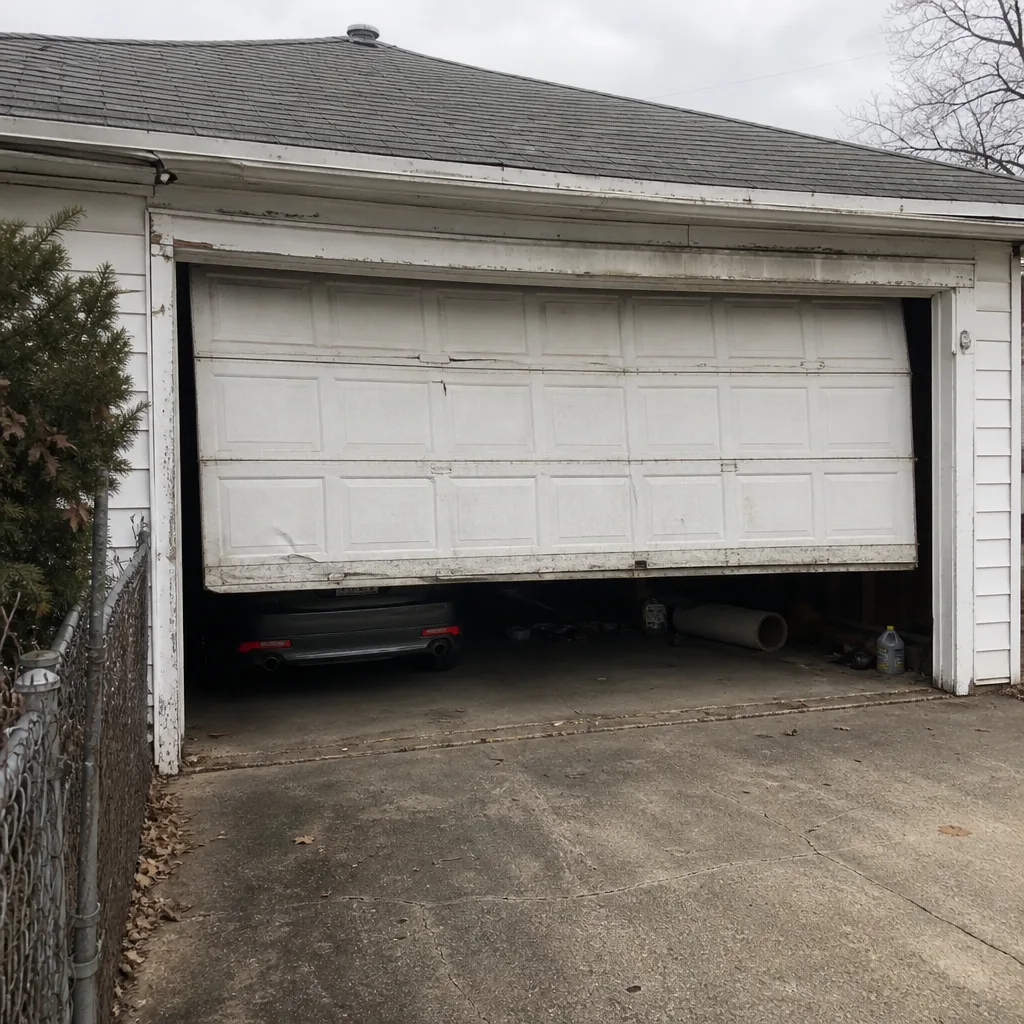 Before
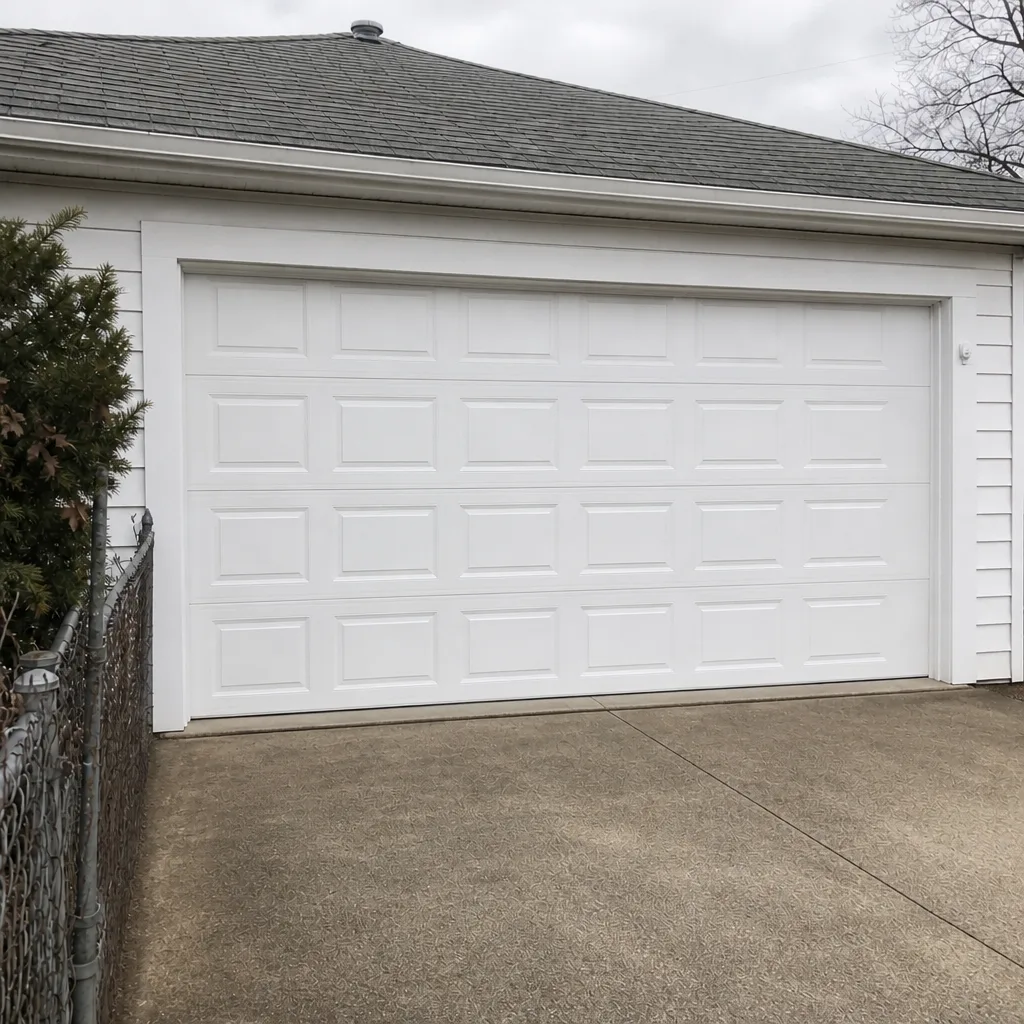 After
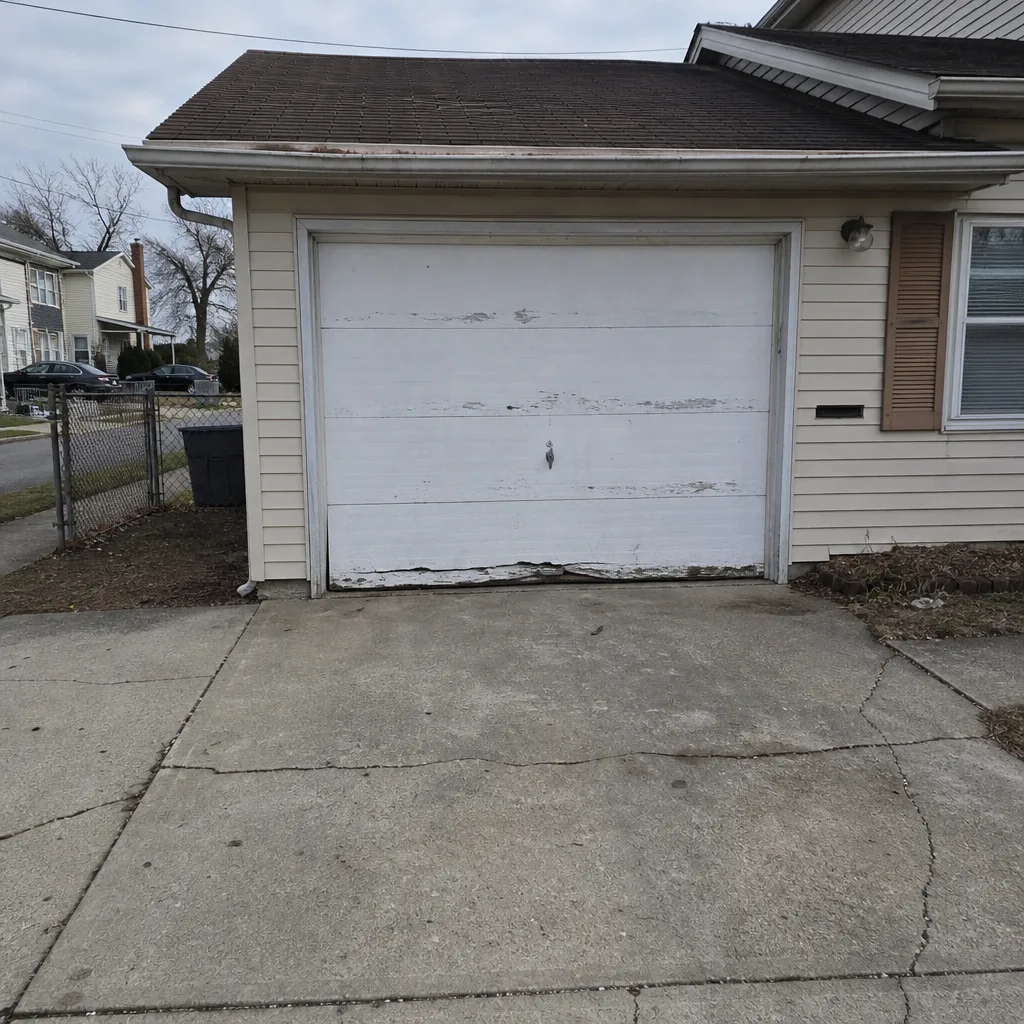 Before
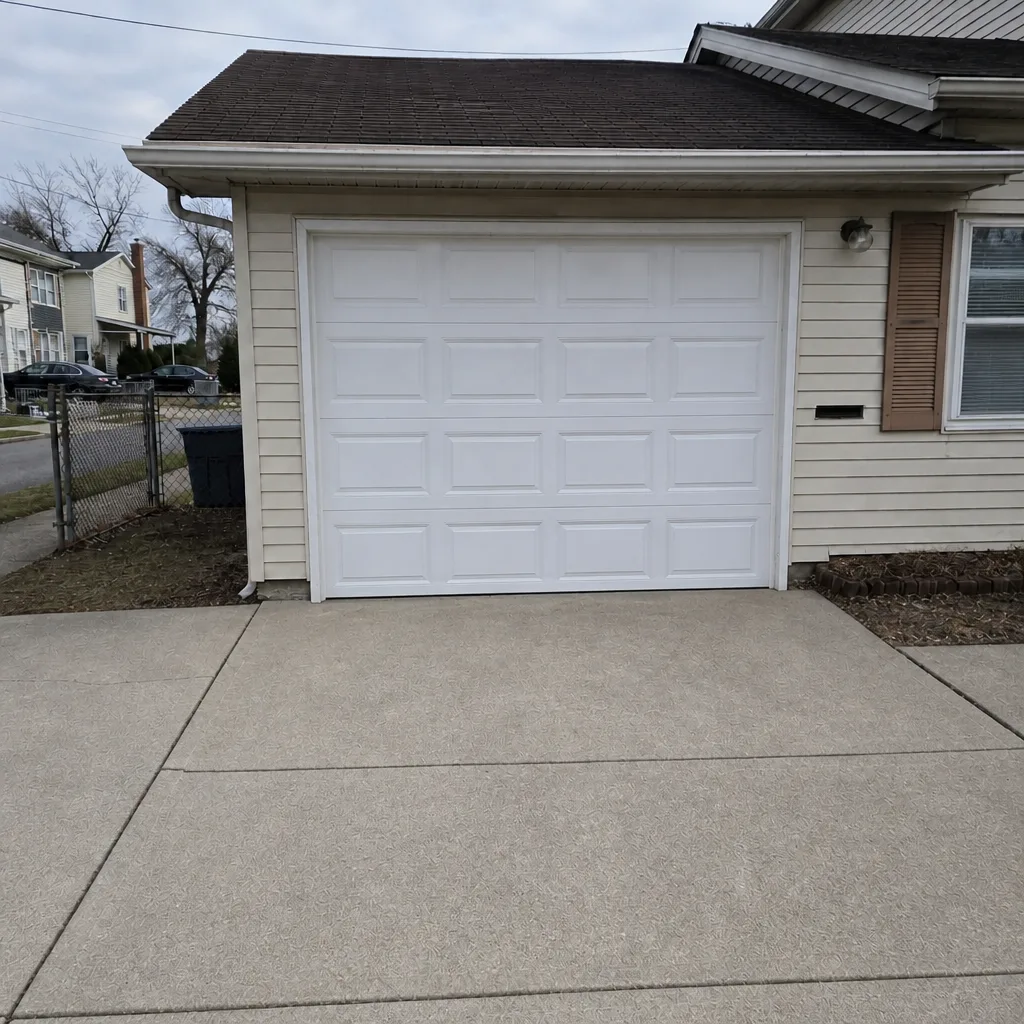 After
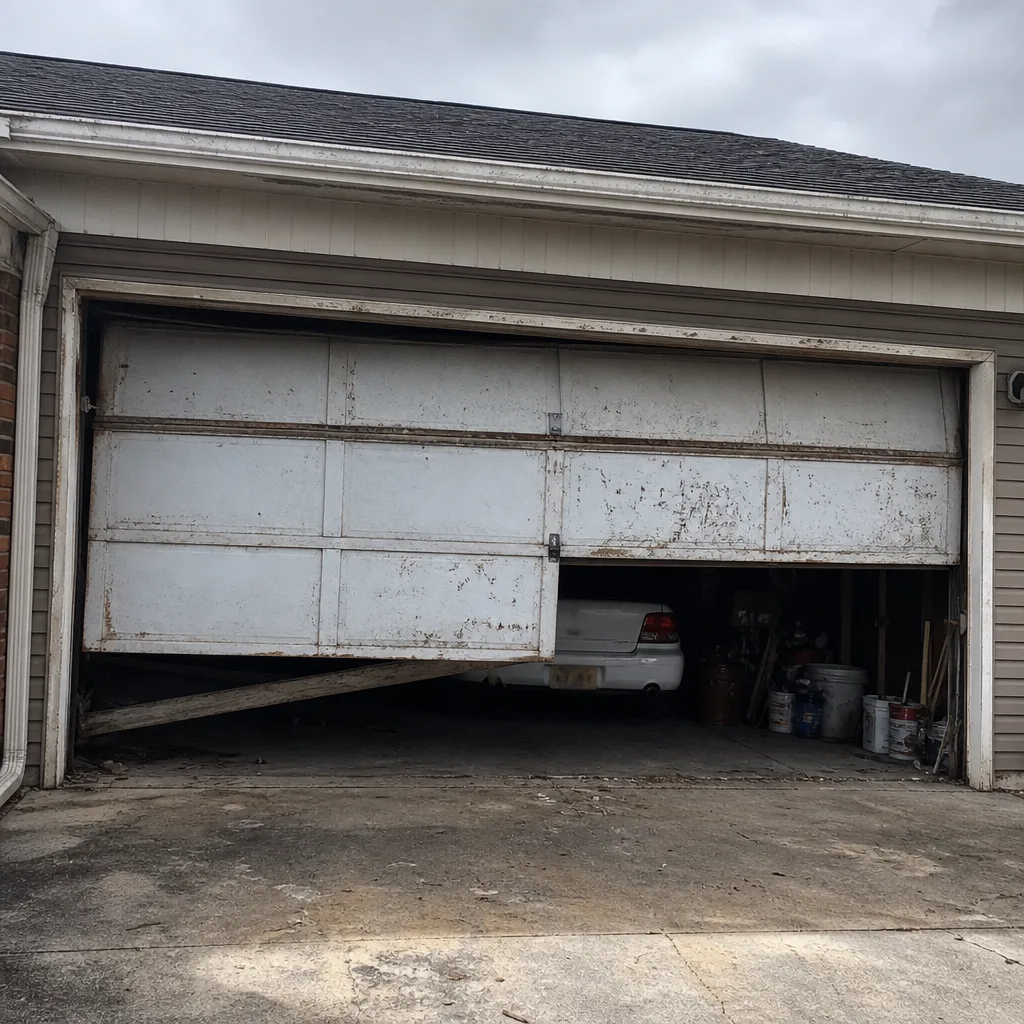 Before
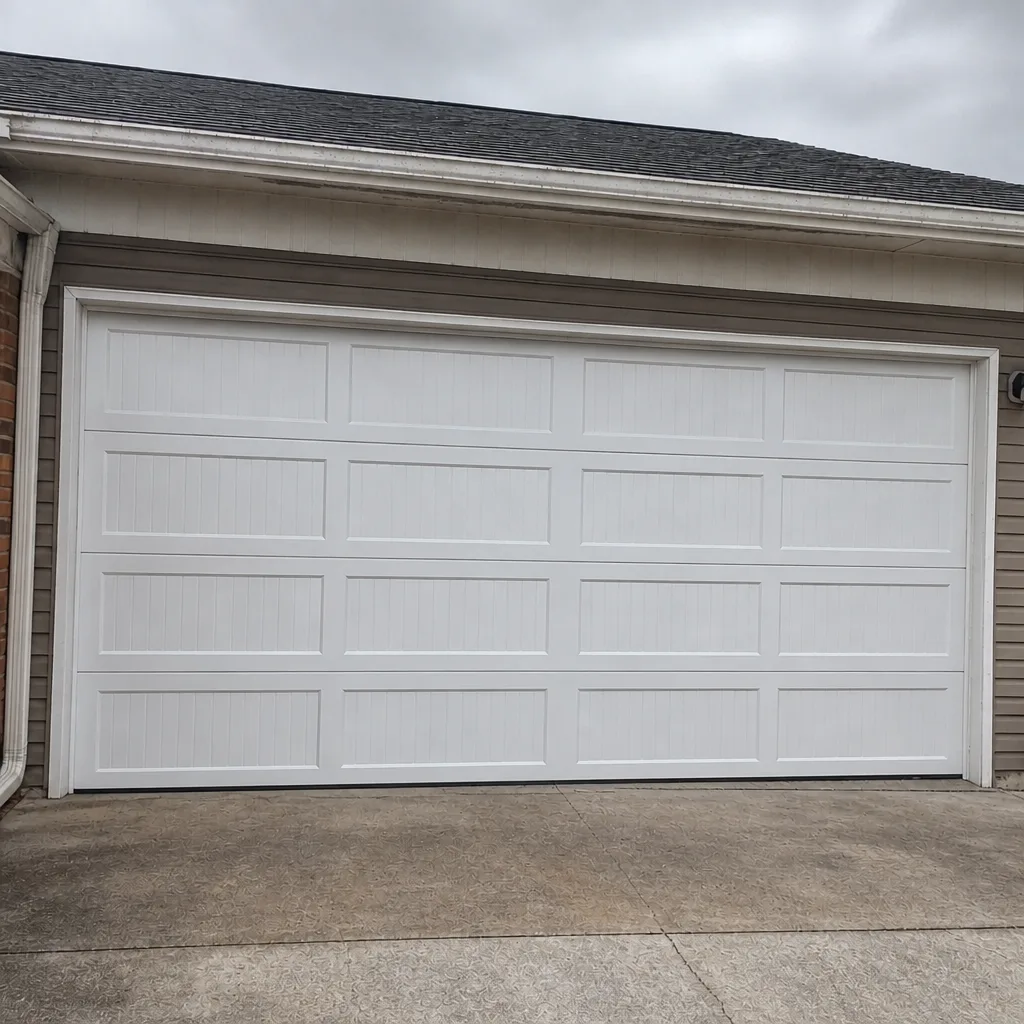 After
When to Call a Professional
Most of the maintenance in this guide is safe for a homeowner. Some of it isn’t. Call us when any of these come up: a door that won’t balance when you release the opener; a spring or cable that looks loose, worn or broken; a track that’s bent or a roller that’s jumped; an opener that’s making a grinding or straining noise; a door that has taken storm damage to a panel; a bottom seal that has torn all the way through. We also handle installation for homeowners ready to replace an aging door – a garage door repair is sometimes the right answer, but a structural rebuild isn’t. Garage Door Repair Atlantic City offers free estimates in Atlantic City – call (877) 696-4577. We answer 24/7. Fast dispatch from 7am to 7pm, Sunday through Friday.
Frequently Asked Questions
A routine maintenance visit typically runs $80 to $150, and replacement of common parts like hinges, rollers or a bottom seal is priced separately. The written estimate sets the final price, and it’s set before any work starts – no surprise invoice after the fact. We’ll tell you exactly what needs to happen and what it costs before we touch the door. Call (877) 696-4577 for a free estimate.
Yes – stuck doors are a same-day priority because a door that won’t close leaves the home exposed. We answer 24/7. Fast dispatch from 7am to 7pm, Sunday through Friday. If your call comes in outside dispatch hours, we’ll book you into the next opening. Call (877) 696-4577 for the fastest response.
No. The price is quoted and agreed before any work starts, and the written estimate sets the final price. If we find something that needs additional work, we stop and talk to you before doing anything else. You’ll never get a bill larger than the number you agreed to. Call (877) 696-4577 for a free estimate.
The local professionals we connect you with are licensed and insured as New Jersey requires. Our technicians have up to 13 years of experience and work exclusively on garage doors – not roofing, not plumbing, not general handyman work. Call (877) 696-4577 for an exact quote on your door.
Replace individual parts when the door’s structure is sound and only the seal, hinge or rollers have failed. Replace the door when the panels are bent, the tracks are twisted, or the door won’t balance after repair. On a Clopay or Raynor door, we’ll match the replacement section to the original model if it’s still in production. Call (877) 696-4577 and we’ll tell you which route makes sense for your door.
Four times a year is the baseline for Atlantic City – at the start and end of the humid summer, and once more in fall and once in early spring. If the door is heavily used or the garage is unusually humid, add a light touch-up after any heavy rain. Call (877) 696-4577 if you want a technician to walk you through it once.
The Bottom Line
Atlantic City garage door care follows the climate, not a generic two-visit calendar. The four checkpoints are: a hurricane-prep inspection in June, a humidity and lubrication pass through July and August, a weatherstripping and seal check in fall before the first freeze, and a post-storm inspection after every nor’easter. Round it out with a monthly visual check of springs, cables, rollers and the bottom seal. The work you can do safely takes minutes; the work you can’t – springs, cables, bent tracks, opener repairs – is exactly what a specialist is for. Our technicians have up to 13 years of experience, work on every major brand from LiftMaster and Chamberlain to Clopay, Amarr and Wayne Dalton, and handle everything from a single seal replacement to a full new door installation. Call (877) 696-4577 for a free estimate. We answer 24/7. Fast dispatch from 7am to 7pm, Sunday through Friday.
Written by the team at Garage Door Repair Atlantic City.