
Last updated November 23, 2026
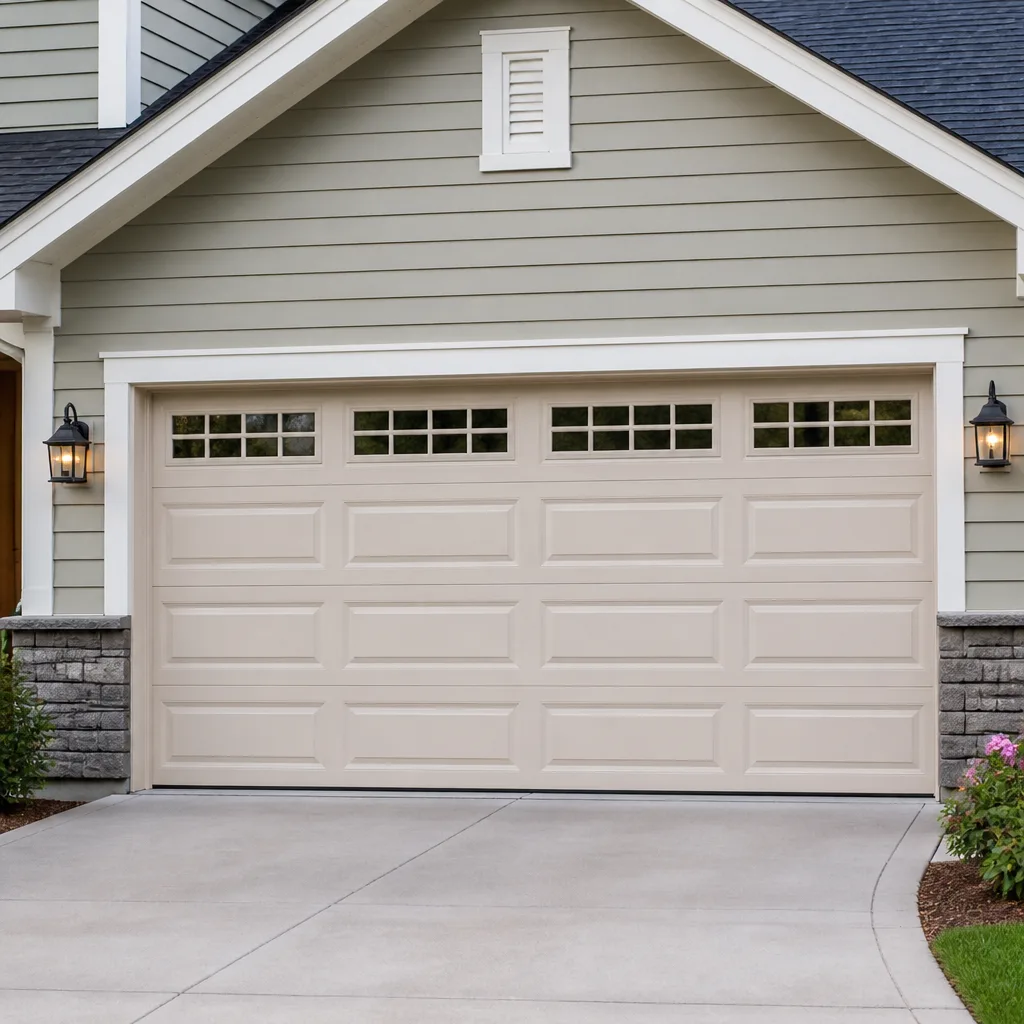 Raised-panel steel
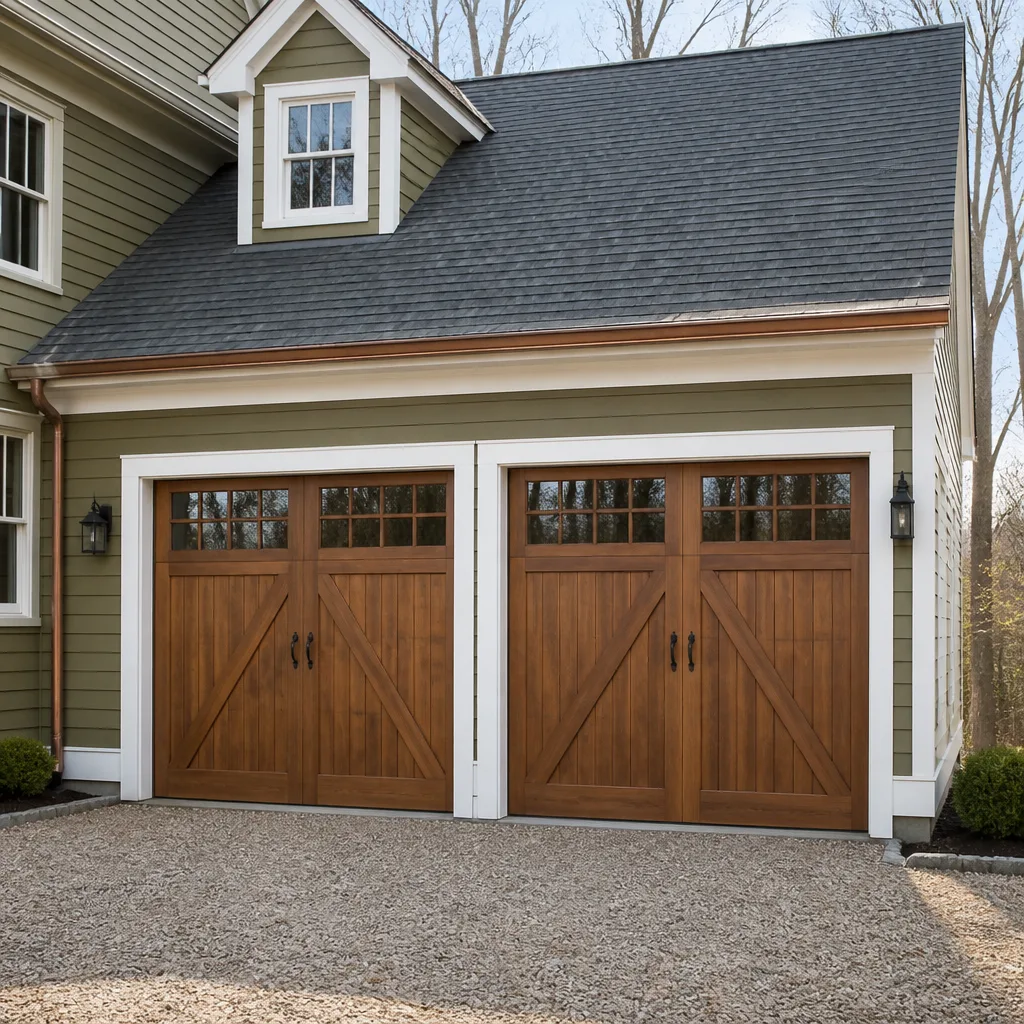 Carriage house
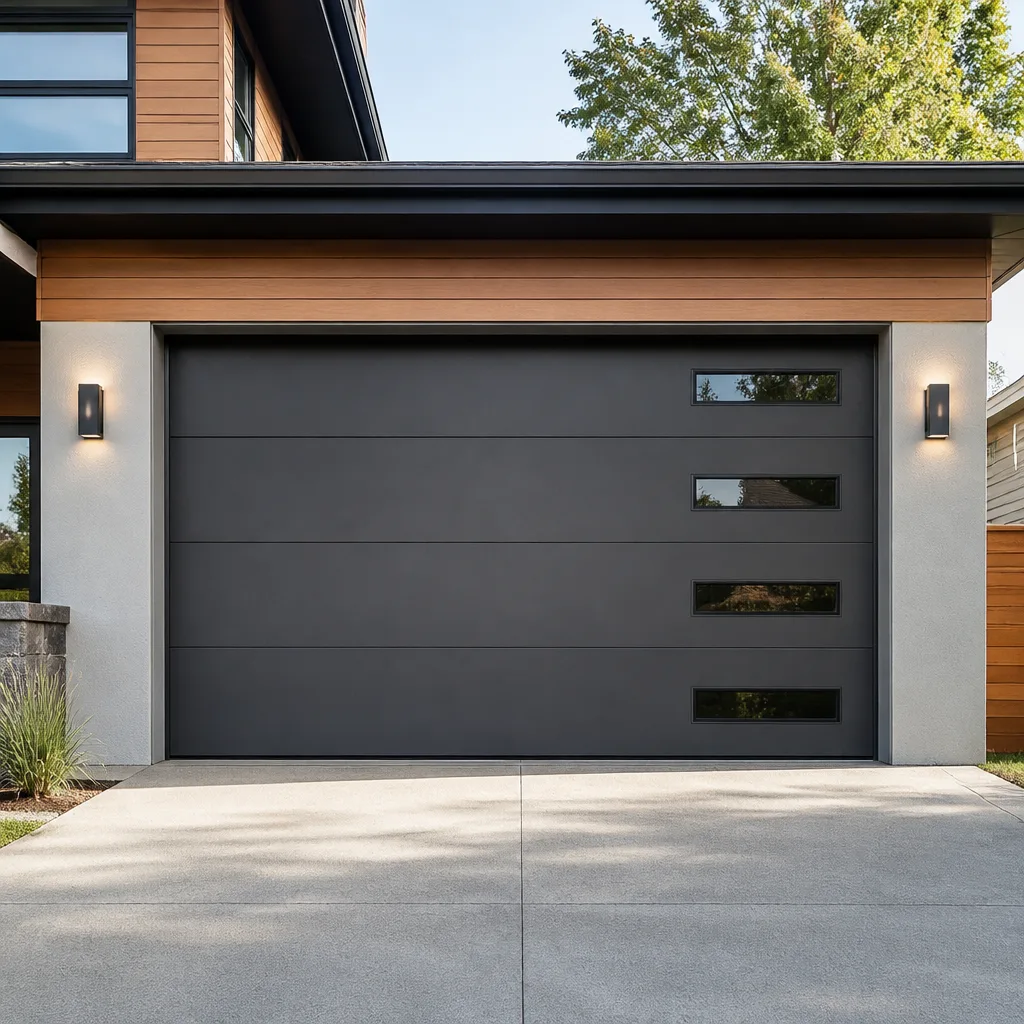 Modern flush
 Full-view glass
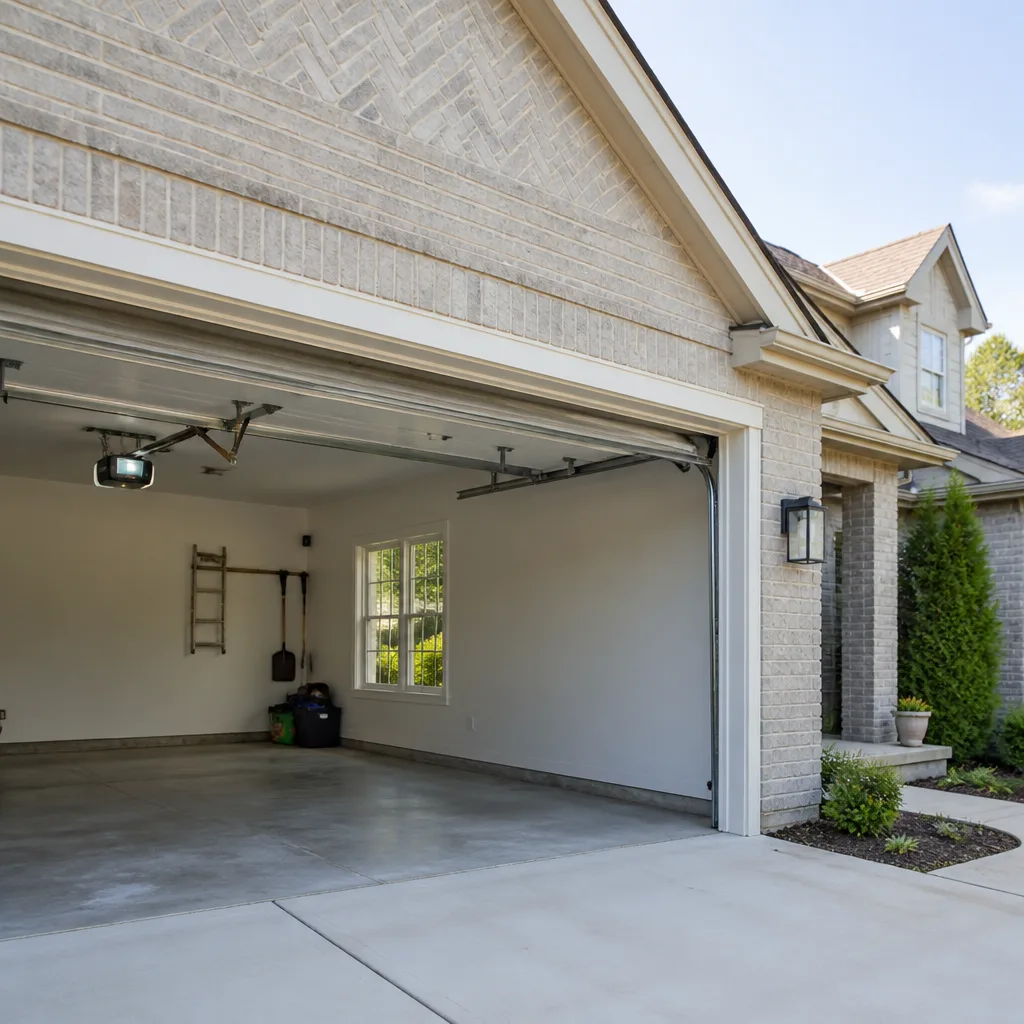 LiftMaster openers
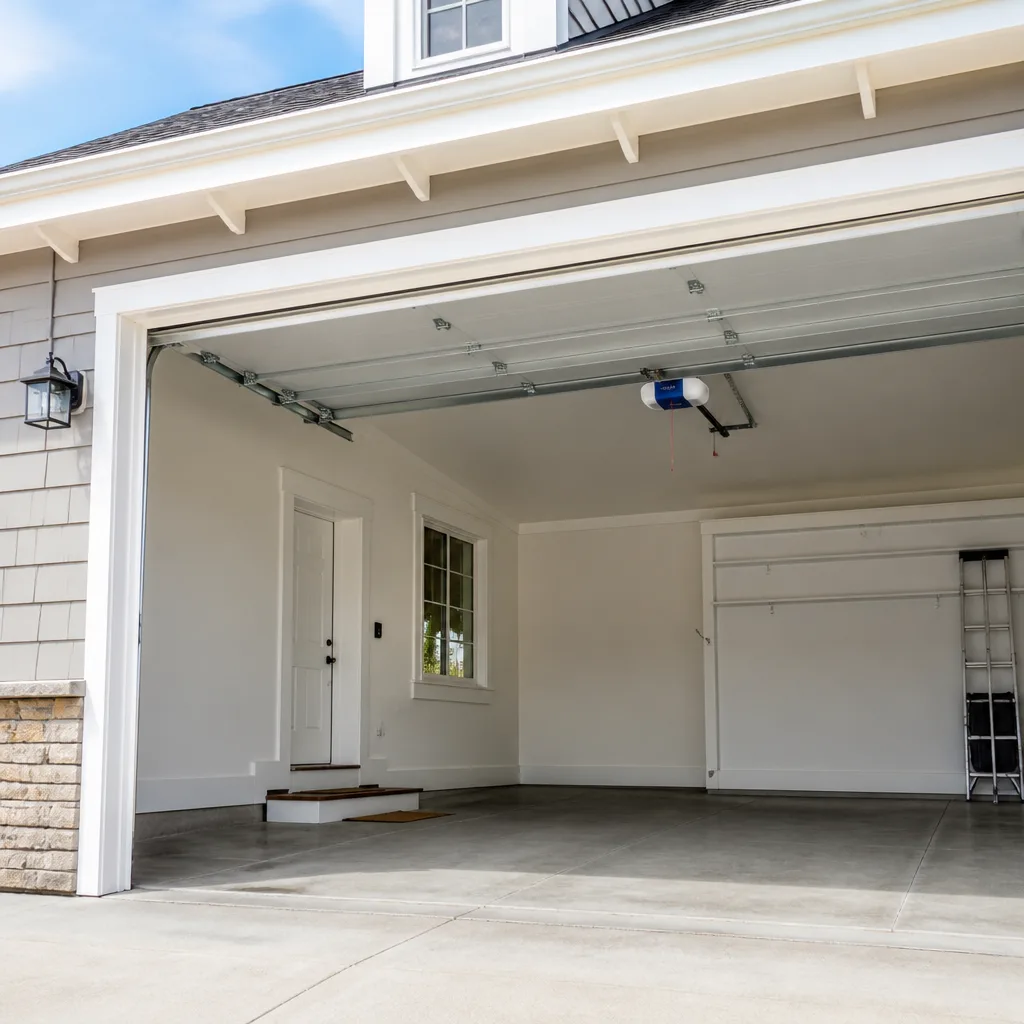 Chamberlain openers
Full 25-point door and opener safety check with every visit - springs, cables, rollers, tracks, and your LiftMaster or Chamberlain opener included
You get a price before we start. It does not change when the pro arrives.
Get your free estimateDIY vs Professional Garage Door: The Atlantic City Homeowner’s Decision Guide
Most homeowners frame this as a skill question: am I handy enough to fix my own garage door? That’s the wrong question. The real question is which specific tasks on a garage door carry genuine injury risk and which ones don’t, because the answer splits cleanly in two. Lubricating rollers, swapping a keypad battery, and resetting travel limits on a Genie or Chamberlain opener are genuinely safe with a short guide and ten minutes. Replacing a torsion spring is not, and it never will be, no matter how many videos you watch. This guide draws that line precisely for Atlantic City homeowners so you handle what’s safe to handle and know exactly why the rest belongs to a specialist.
Quick Answer
The garage door tasks that are safe to do yourself are cleaning, lubricating, balancing checks, visual inspections, keypad batteries and opener travel-limit adjustments on most models. The tasks that are not safe are anything involving torsion springs, cables, bottom brackets, or the high-voltage wiring inside an opener or wall control. In between sit jobs like roller and hinge swaps and track straightening, where the risk is moderate and real. Spring work is professional-only, full stop: torsion springs store enough energy to cause serious hand and face injuries when released incorrectly, and that isn’t a scare tactic, it’s physics.
Styles & brands we work with
- Raised-panel steel
- Carriage house
- Modern flush
- Full-view glass
- LiftMaster openers
- Chamberlain openers
Table of Contents
- How a Garage Door Actually Works, and Why That Matters for DIY
- The Physics of Torsion Spring Danger, Explained Plainly
- The Safe DIY List: What You Can Genuinely Handle
- DIY With Risk: Moderate Jobs and the Specific Danger in Each
- Professional-Only: Where the Line Sits and Why
- DIY vs Professional Cost: When Saving Money Backfires
- The Tools Required, and What Your Toolbox Tells You
- New Jersey Liability, Insurance and Resale: What Self-Performed Work Can Cost You
How a Garage Door Actually Works, and Why That Matters for DIY
Your garage door is your home’s largest moving part, and it operates under constant tension. That single fact explains why some repairs are trivial and others are dangerous. Understanding the system is the first step to knowing which jobs are yours.
A standard sectional door runs on two systems working together. The spring system (torsion springs on a shaft above the door, or extension springs alongside the tracks) does the heavy lifting, counterbalancing the door’s weight so a human or a small motor can raise it. The opener then applies a relatively small push or pull to move an already-balanced door.
That balance is the whole trick. A properly tensioned door weighs almost nothing to lift by hand. A door with a broken spring can weigh well over a hundred pounds, and the opener is not designed to carry that load. When homeowners force a heavy door up with a dead spring, they often strip the opener’s gears or burn out its motor, turning one repair into two.
Here’s what that means for a homeowner in Atlantic City: most of the routine maintenance on your door lives on the low-risk side of the system. Springs hold the dangerous energy. Tracks, rollers, hinges, weather seals, photo-eye sensors and most opener settings sit on the manageable side. Learning to tell those apart is the entire decision framework.
If you ever lose track of what’s safe, a professional diagnosis is quick. We handle garage door repair Atlantic City every week, and the first thing we do is establish what’s actually broken before recommending anything.
The Physics of Torsion Spring Danger, Explained Plainly
A torsion spring stores mechanical energy the way a drawn bow stores it. Both hold a large load under tension, both can release that load instantly, and both punish anyone standing in the wrong place when they do. Understanding the energy is what separates an informed decision from a blind one.
Torsion springs are wound tight during installation to counterbalance the door’s weight. When the door is closed, the spring is under its maximum load. To repair or replace one, a technician has to unwind that stored energy in a controlled way, using two winding bars inserted into the spring winder while holding the full torque by hand.
- Stored energy is large. A residential torsion spring can carry enough rotational torque to seriously injure an adult’s hand, wrist or face if released suddenly.
- Winding bars fail badly. Use the wrong bar, the wrong size, or lose your grip, and the bar can spin loose with no warning. That’s where the hand and face injuries come from.
- There are two failure points. Springs snap on their own from age and fatigue, and they snap during DIY removal when the tension isn’t controlled. Both are genuine hazards.
- Cables under tension can also cut or whip. The lift cables run from the springs to the bottom corners of the door. If one lets go while under load, it lashes with force.
We bring that up not to alarm anyone but because the line has to be drawn somewhere, and springs are exactly where it belongs. Replacing a torsion spring correctly also requires matching the wire gauge and inside diameter to the door’s weight. Get that wrong and the door won’t balance, the opener overloads, and you’re back to square one.
Spring work is a dedicated safety-critical service for us, not an afterthought. If you’re wondering whether your spring has already failed, our garage door spring repair page walks through the symptoms.
The Safe DIY List: What You Can Genuinely Handle
These are the jobs where a homeowner with a basic toolkit and a little patience can save real money with almost no risk. None of them involve stored spring energy or line voltage, and each one is a legitimate ten-minute task.
- Lubricate rollers, hinges and tracks. A silicone-based garage door lubricant on the rollers, hinges and pivot points keeps the door quiet and reduces strain on the opener. Avoid greasy products that attract grit. This is the single highest-value maintenance task you can do yourself.
- Test the safety reverse (photo-eye sensors). With the door open, wave an object across the photo-eye beam near the floor. The door should reverse or refuse to close. If it doesn’t, check that the sensor lenses are clean and the eyes are aligned across from each other.
- Check the balance. Disconnect the opener (via the manual release cord) and lift the door halfway by hand. A balanced door stays there. If it drifts down on its own, the springs are losing tension and it’s time to call.
- Replace the wall keypad or remote battery. A dead battery is one of the most common false alarms on a Chamberlain or LiftMaster keypad. Swap the battery, then reprogram the code using the opener’s learn button.
- Adjust opener travel limits. On most openers, the up and down travel limits are set with small screws or a menu on the opener body. If your door stops just short of the floor, or won’t fully open, adjusting the limits within the manufacturer’s instructions is safe. Don’t increase the force setting to compensate for a door that’s gone heavy; that masks a mechanical problem.
- Clean the tracks and wipe the weather seal. A rag and a mild cleaner on the aluminum tracks keeps them clean. Don’t lubricate the tracks themselves; that just attracts dirt.
- Check the door hardware for visible looseness. Tighten any exposed bracket bolts with a wrench. If you find a broken hinge or roller, mark it and plan the swap as a moderate job.
Any of these that reveal a deeper problem, though, is where DIY stops. A door that won’t balance, an opener that’s been forced, or a spring that’s failed all point to a professional repair. We see plenty of Atlantic City homes where the routine maintenance was skipped until the door failed mid-morning, and the fix starts with the same diagnosis either way.
DIY With Risk: Moderate Jobs and the Specific Danger in Each
These tasks are doable for a careful homeowner, but the risk is real and specific. Know what can go wrong before you pick up the tool.
- Roller replacement. The job itself is straightforward, but you need to bend the door’s hinge slightly to slide the roller out, and if the door is under spring tension, that bend can shift the panel unexpectedly. Do it with the door closed and the opener disconnected, and don’t apply force to a hinge with the door in any other position.
- Hinge replacement. The same panel-position rule applies. Swapping a hinge on a dead-spring door is a real hazard because the panel can shift. Confirm balance first.
- Track straightening. A slightly bent track can usually be coaxed back with a rubber mallet, but a track that’s badly out of alignment needs replacing. Don’t try to force a track that’s been bent at a bracket; that’s where the door can jump the track entirely.
- Weather stripping and bottom seals. Swapping a bottom rubber seal is usually safe, but if the bottom bracket has cable tension running into it, keep your hands clear of the corners.
- Opener programming and smartphone app setup. Pairing a new phone or resetting a MyQ or Genie app is safe and self-contained. Don’t open the opener’s housing to reach the wiring.
Each of these has a clear DIY ceiling. If you’re not sure of the door’s balance or you’ve got a spring that’s already dead, wait. The garage door repair call is cheaper than an emergency room visit.
Professional-Only: Where the Line Sits and Why
Some jobs are professional-only for reasons that go beyond convenience. These tasks carry genuine injury risk, require specialist tools, or fall under a building code or manufacturer requirement that a homeowner can’t reliably satisfy.
- Torsion and extension spring replacement. The energy stored in a spring is the single biggest hazard on any garage door. A professional uses winding bars, counts the correct number of turns for the door’s weight, and matches the spring to the door’s specifications.
- Lift cable replacement. Cables are under tension from the spring. A snapped or misrouted cable can whip, and the cable attachment points at the bottom brackets are strictly off-limits for DIY.
- Bottom bracket work. The bottom bracket anchors the cable and holds tension. Removing or loosening it without controlled spring release is dangerous.
- Panel replacement. A damaged section (from an impact or a track jump) has to be replaced with a matching panel from the same manufacturer. Clopay, Amarr and Wayne Dalton panels are matched by model, and putting the wrong panel in a door creates a balance problem that can’t be safely ignored.
- New door installation. A full installation involves measuring the opening, ordering the correct door, setting the tracks and springs, and balancing the whole system. It’s not a weekend job even for a confident DIYer.
- Anything involving the opener’s internal wiring or a high-voltage issue. Opener housing, wall control wiring and the circuit that feeds the opener are all licensed-electrician territory.
- Opener replacement. A new opener has to be matched to the door’s weight, the existing rail and the safety-reverse photo eyes. Smart-home openers from Chamberlain and LiftMaster add a programming layer that’s easy to misconfigure.
Our technicians handle garage door opener repair on traditional and WiFi-enabled systems, and they work on the same brand-specific components whether it’s a legacy Craftsman or a new LiftMaster. Our technicians have up to 13 years of experience with these systems.
DIY vs Professional Cost: When Saving Money Backfires
DIY saves money when the job is genuinely within your scope and you have the right tools. It costs more than the repair when a mistake forces a second, larger fix. The difference is usually not the parts, it’s the recovery.
Here’s a realistic way to think about the cost lines. These are typical estimated ranges for residential work, and the written estimate you receive on site is the price that governs the job. A free estimate is the honest starting point for any work that isn’t one of the safe DIY tasks.
- Torsion spring replacement, one spring: typically $180 to $340. A matched pair, which is usually replaced together, costs roughly twice that.
- Opener repair (sensor, gear, board): typically $120 to $280, depending on the part.
- Roller and hinge set swap: typically $90 to $200 in parts and labor for a full set.
- New opener installation: typically $350 to $650 for the unit and install, depending on brand and smart features.
- Full new door installation: typically $900 to $2,800 for a standard single door, depending on size, material and brand.
Compare those to the DIY failure modes. A wrong spring that doesn’t match the door’s weight can burn out the opener’s motor within weeks, turning a $180 to $340 spring job into a spring job plus an opener replacement. A panel bent during a hinge swap can crack and require a full section replacement. And a door that gets forced up with a dead spring often strips the opener’s drive gear, which is a full teardown to repair.
Where DIY genuinely wins: lubrication, safety-reverse testing, keypad batteries, balance checks, travel-limit tweaks. None of those carry a recovery cost. Where DIY loses: any task where a single mistake creates a second repair. Spring replacement and opener replacement both sit in that column for nearly every homeowner.
For Atlantic City homes, the calculation also includes downtime. When the garage is your primary entry point, a half-finished repair can lock you out of your own house. Same-day service is the practical answer for a door that’s failed, and it’s the reason most Atlantic City homeowners don’t gamble on the recovery cost. Call (877) 696-4577 for an exact quote; estimates are free.
The Tools Required, and What Your Toolbox Tells You
If a task needs only a screwdriver, an adjustable wrench, a rag and a can of silicone lubricant, it’s probably yours. If it needs anything more specialized, that’s a signal the job has outgrown the homeowner’s scope.
Tools that are reasonable to own for legitimate DIY garage door work:
- A 1/4-inch or 3/8-inch socket set
- A set of open-end wrenches
- An adjustable wrench
- A Phillips and flathead screwdriver
- A rubber mallet
- Garage door lubricant (silicone-based, not grease)
- A step ladder
Tools that signal a job belongs with a professional:
- Two winding bars. These are the specialized rods that unwind and wind torsion springs. Buying them for a one-time spring job is a red flag: the tool exists because the task is dangerous, and learning the technique on a door with a live spring isn’t a safe weekend project.
- Cable pullers and tension clamps. Another signal that the task involves lift cables under load.
- A door-balancing gauge and a set of spring-scale measurements. Balancing a new door requires knowing the weight and the spring rate, both of which a homeowner rarely has.
- Multi-meter and a licensed-electrician toolset. For anything involving opener line voltage.
One more read: if you can’t find the tool, you probably don’t need it. That’s the honest check. A homeowner who already owns a socket set can safely do most safe-DIY tasks without buying anything. The purchase of a winding bar is the moment the job has outgrown your scope.
New Jersey Liability, Insurance and Resale: What Self-Performed Work Can Cost You
New Jersey doesn’t require a permit for routine garage door repair or replacement in most municipalities-the door isn’t structural in the way a new wall or a room addition is. But that’s a general statement, not a guarantee for every town. If your repair involves modifying the opening, the framing or the electrical circuit that feeds the opener, the local building department may have a view. When in doubt, a quick call to your municipality’s building department gets you a definitive answer on your specific scope.
The insurance angle is the part most homeowners don’t think about until a claim comes up. Homeowner’s insurance typically covers the structure and personal property, but it doesn’t rewrite the physics. If a self-installed door fails and damages a vehicle or a neighboring property, the insurer’s investigation will look at whether the work was done to manufacturer specifications and code. An unpermitted structural change can complicate a claim. A failed spring that damages the door itself is usually a covered loss; a door that fails after a non-compliant install may not be.
For resale, the disclosure angle matters too. New Jersey requires sellers to disclose known material defects. A prior DIY install that’s out of balance or out of code can surface as a negotiable defect during the buyer’s inspection. A documented professional installation side-steps that entire conversation, and it’s the reason many Atlantic City sellers schedule a tune-up before listing.
None of that is a reason to panic over a hinge swap. It’s a reason to keep the professional-only line clean. If you’re planning a full door replacement, our installation service handles the measurement and the paperwork, and the estimate walks the scope line by line.
Common Mistakes to Avoid
- Forcing a door up with a dead spring. The door weighs well over a hundred pounds without spring counterbalance, and the opener is not designed to carry it. That’s how a spring job turns into a spring plus motor job.
- Trying to unwind a torsion spring with the wrong bar. The winding bar has to fit the spring winder. A socket extension or a screwdriver will slip, and that slip is exactly where the injuries come from.
- Increasing the opener’s force setting to compensate for a heavy door. The force setting is a safety limit, not a repair. Raising it masks the balance problem and removes the protection that keeps the door from crushing an object or a person.
- Skipping the balance test after any hardware change. New rollers, a new hinge, a new panel, all change the door’s weight and balance. Test with the opener disconnected before you reconnect it.
- Buying the cheapest spring off the shelf without matching the door’s weight. Spring size has to match the door. A generic spring will fit but won’t balance it, and an unbalanced door wears out every component faster.
- Ignoring a photo-eye sensor that’s dirty or misaligned. A door that won’t close because the sensor is obstructed looks like a broken opener but is usually a two-minute fix. Check the sensors before you assume the opener is gone.
- Assuming a garage door repair needs no permit in your town. A full installation or a structural modification may need one. Ask your municipality’s building department if the scope extends beyond routine repair.
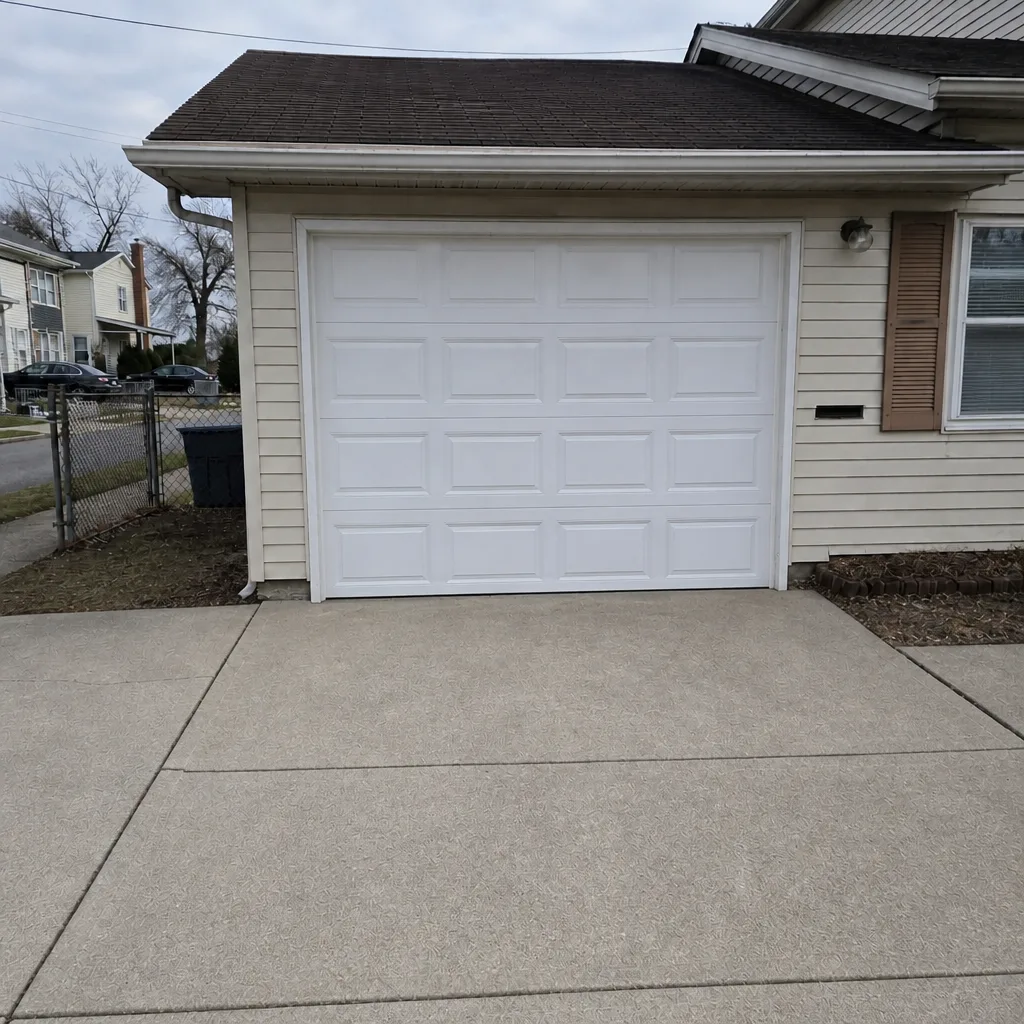
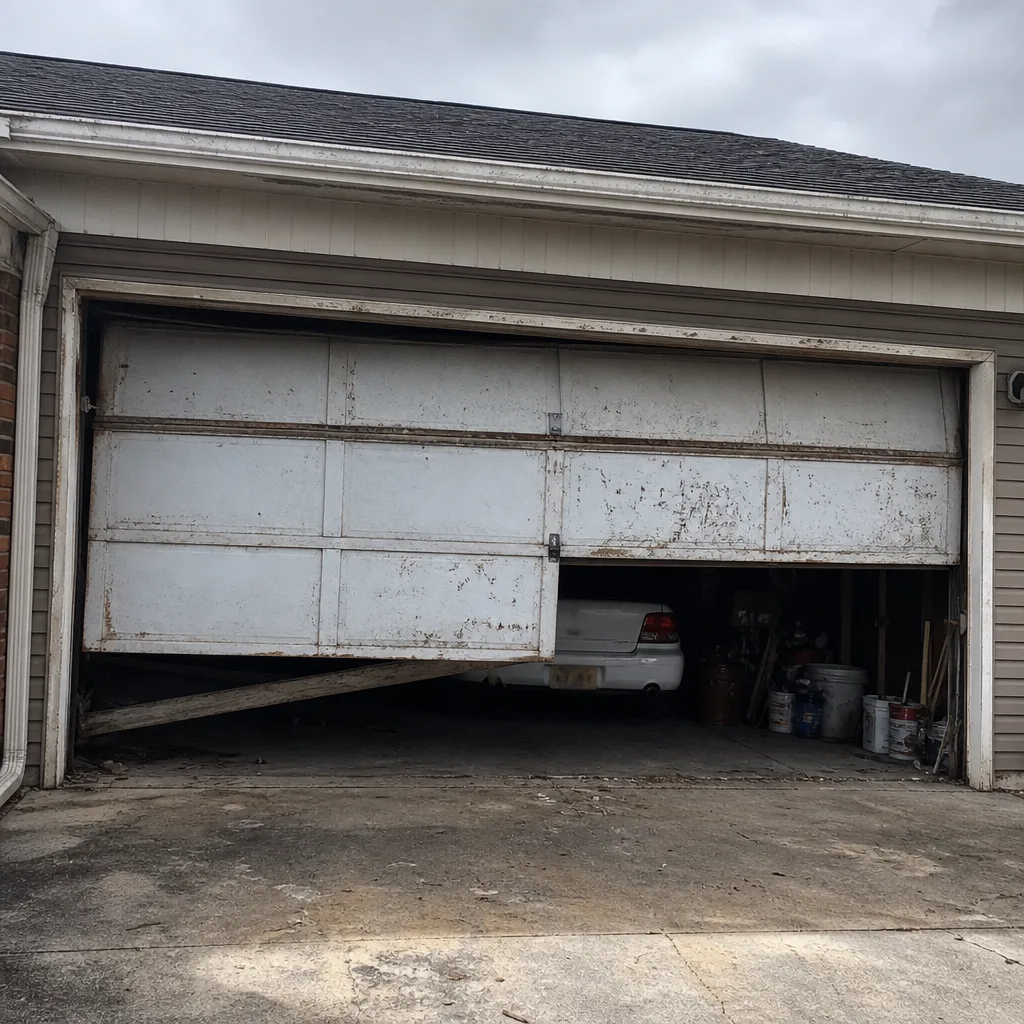
See the difference
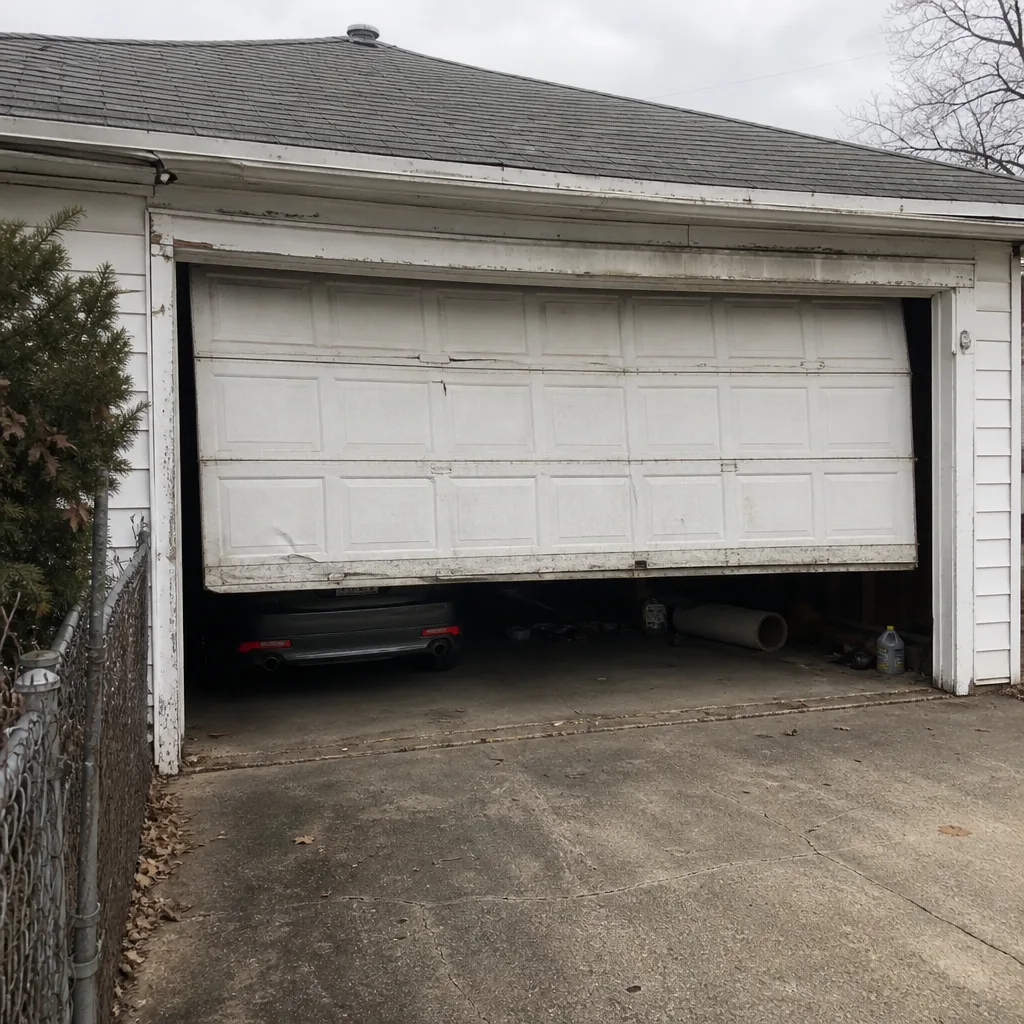 Before
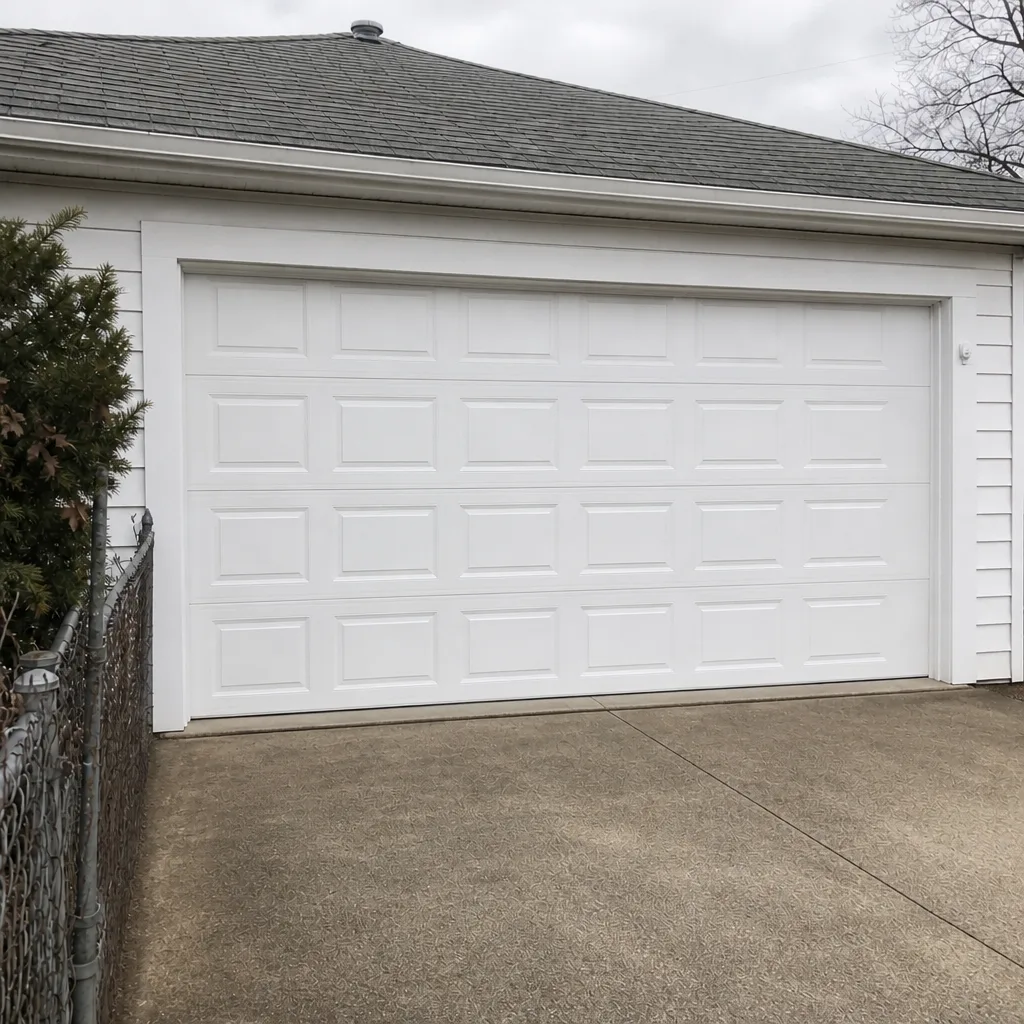 After
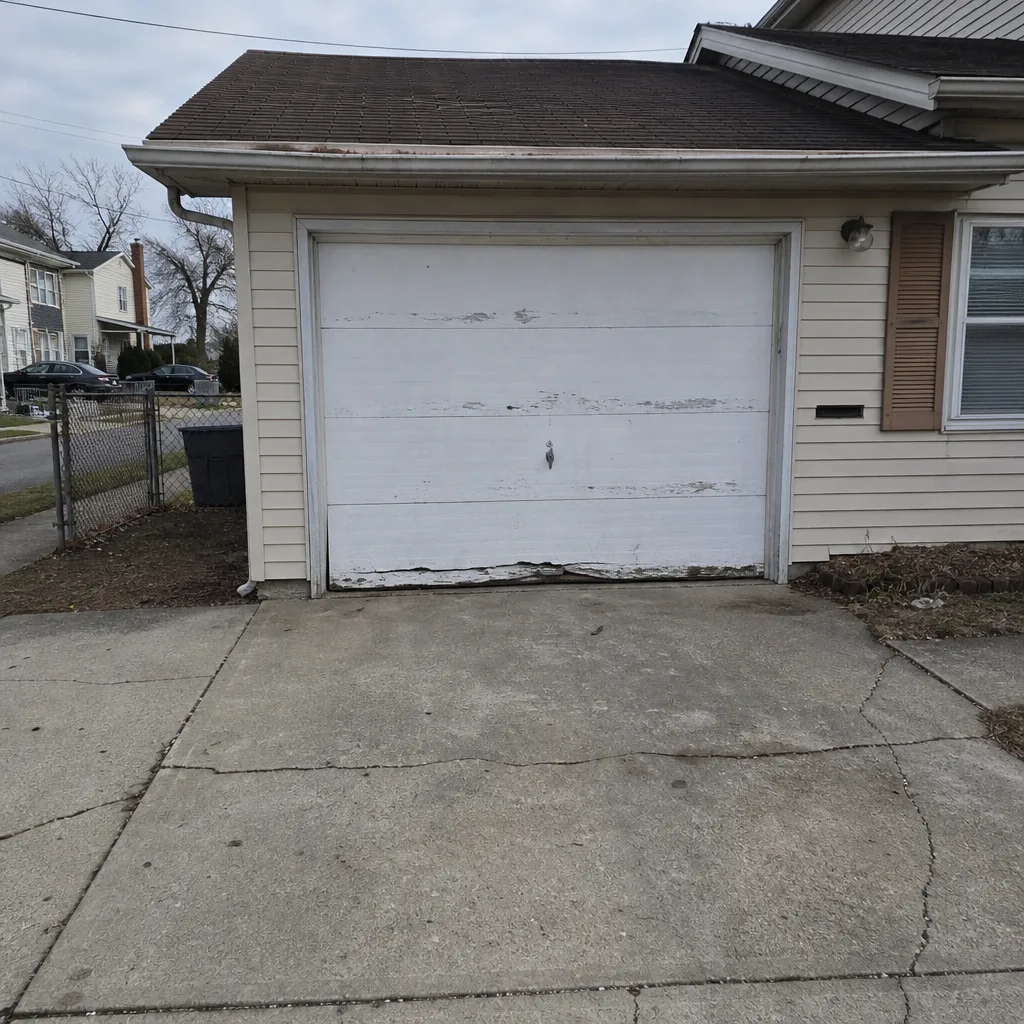 Before
 After
 Before
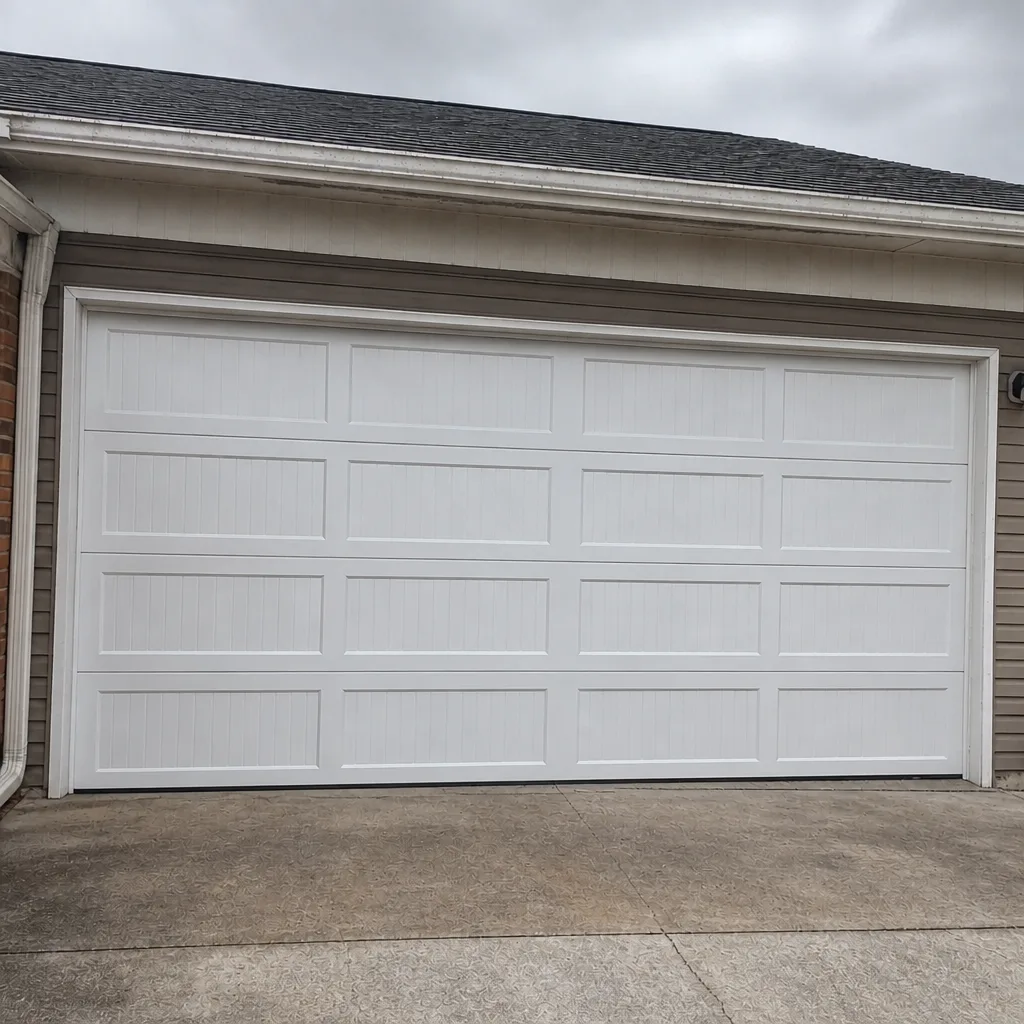 After
When to Call a Professional
Call a professional when the failure involves a spring, a cable, a bottom bracket, panel replacement, opener replacement, or the opener’s internal wiring. Call when the door won’t balance, won’t stay up halfway, has a visible broken spring, or has jumped the track. Call when the opener’s motor runs but the door doesn’t move, when the safety reverse fails after cleaning, or when the door has been forced. Call for anything involving a new installation or a door replacement, because the scope is larger than the tools in a home workshop. If your garage door is your primary entry point, call when the door is stuck closed and you can’t wait for a weekend project.
Garage Door Repair Atlantic City offers free estimates in Atlantic City. Call (877) 696-4577. We answer 24/7. Fast dispatch from 7am to 7pm, Sunday through Friday. The written estimate sets the price before any work starts.
Frequently Asked Questions
No. Torsion spring replacement is professional-only work because the spring stores enough energy to cause serious hand, wrist or face injuries when released incorrectly. The job requires two dedicated winding bars, matching the spring to the door’s weight, and a controlled unwinding sequence. A homeowner without that training and those tools is at genuine risk. If your spring is broken, call (877) 696-4577 and we’ll give you a free estimate.
Spring repair in Atlantic City typically runs $180 to $340 for one torsion spring. A matched pair, which is usually replaced together, costs roughly twice that. The written estimate sets the final price before any work starts, and the estimate is free. Call (877) 696-4577 for an exact quote.
Lubricating rollers, hinges and tracks, replacing keypad and remote batteries, testing the photo-eye safety reverse, checking door balance, and adjusting opener travel limits on most models are all safe DIY tasks. Roller and hinge swaps and track straightening are moderate risk with real hazards, so read the job before you start. Anything involving springs, cables or opener wiring is not safe to handle alone.
It can, if the failure damages the door or a vehicle and the insurance investigation finds the work wasn’t done to manufacturer specifications or code. A routine repair that goes wrong is typically handled as a covered loss; a non-compliant installation that later fails may not be. What was done matters more than who did it, but professional work leaves a documented trail. If you’re not sure your scope is covered, ask your insurer before you start.
The most common cause is a stripped drive gear or a broken spring, both of which make the motor run without moving the door. If the spring is intact and the door is balanced, the gear inside the opener is the likely culprit on a legacy LiftMaster, Chamberlain or Genie unit. That’s a professional repair because the opener housing has to come apart. Call (877) 696-4577 for a free estimate on the diagnosis.
Routine garage door repair and replacement usually doesn’t require a permit in most New Jersey municipalities, but the answer depends on your town and the specific scope. Call your municipality’s building department to confirm, especially if the work touches framing or the electrical circuit. For anything structural, get the answer in writing before the work starts.
The Bottom Line
The DIY vs professional line on a garage door isn’t about how handy you are. It’s about which tasks carry stored spring energy or line voltage and which ones don’t. Safe to do yourself: lubrication, safety-reverse testing, balance checks, keypad batteries and travel-limit adjustments. Moderate risk: roller and hinge swaps and track straightening. Professional-only: springs, cables, bottom brackets, panel replacement, opener replacement and new installation. Keep the recovery cost in mind when you’re deciding, because a DIY mistake on a spring or an opener can cost more to undo than the repair would have cost to begin with. When in doubt, get the free estimate first.
Garage Door Repair Atlantic City handles the professional-only work across all major brands, and our technicians have up to 13 years of experience. For help deciding what your door needs, call (877) 696-4577. We answer 24/7. Fast dispatch from 7am to 7pm, Sunday through Friday. Free estimates, and the written price is set before any work starts.
Written by the team at Garage Door Repair Atlantic City.